Weightlifting equipment list with all 21 items: shoes with an elevated heel, singlet, lifting belt, wrist wraps, knee sleeves, chalk and a towel.
Eight of the twenty-one items belong to the lifter, and a beginner needs only three of them: shoes, a belt and chalk. Six are coaching gear such as barbells and plates for practice, lifting platforms and a camera for form checks, and seven describe the gym, from squat racks and benches to chalk stations and warm-up areas. The table below lists all of them with the purpose of each one.
- What equipment do you need for weightlifting?
- Shoes with a raised heel, a lifting belt and chalk, plus wrist wraps and knee sleeves once the weight goes up. The barbell, the plates and the platform belong to the gym.
- What are the names of weight lifting equipment?
- Barbell, bumper plates, collars, squat rack, bench and lifting platform on the gym side. On the lifter's side it is shoes, singlet, belt, wrist wraps, knee sleeves and chalk.
- What weightlifting equipment do beginners need?
- A pair of flat or slightly raised shoes and chalk are enough for the first months. A belt is worth buying once squats and deadlifts get heavy, and sleeves and wraps come later still.
- What are three pieces of weightlifting equipment?
- The barbell, the plates and the lifting belt. Those three cover the lift itself and the support around it, and everything else is added on top.

Weightlifting Equipment at a Glance
Eight items are the lifter's own, six belong to the coach or the team, and seven are part of the gym. Two of them appear twice, because a coach travelling to a meet brings a barbell set and a platform that the home gym also owns.
| Item | What it does | Who supplies it |
|---|---|---|
| Weightlifting shoeselevated heel | A raised, solid heel lets the knees travel forward in a deep squat | Player |
| Singletfor competitions | Required on the platform so judges can see hips, knees and elbows | Player |
| Weightlifting belt | Something to brace the abdominal wall against on maximum lifts | Player |
| Wrist wraps | Hold the wrist straight when the bar sits overhead or on the shoulders | Player |
| Knee sleeves | Compression and warmth for the knee out of the bottom of a squat | Player |
| Chalkfor grip | Magnesium carbonate dries the palms so the bar does not slip | Player |
| Personal towels | Wipes the bench and the bar between sets | Player |
| Water bottle | A session runs long with rest periods of several minutes | Player |
| Training programs and logs | Sets, reps and loads written down so the next week can build on them | Coach |
| Barbells and platesfor practice | The bar and the loading for every session outside the meet | Coach |
| Lifting platforms | Wood and rubber surface that takes a dropped bar | Coach |
| Video camerafor form analysis | Records the lift from the side so bar path can be checked | Coach |
| First aid kit | Torn hands, bruised collarbones and strains are the routine cases | Coach |
| Team apparel | Identifies the club at meets and in the warm-up hall | Coach |
| Lifting platforms | Fixed stations on the gym floor where dropping the bar is allowed | Facility |
| Barbells and bumper plates | Rubber plates of matched diameter so the bar lands level | Facility |
| Squat racks | Holds the bar at shoulder height and catches a failed rep | Facility |
| Bench press benches | Flat and adjustable benches for pressing work | Facility |
| Chalk stations | A bowl or block of chalk at the end of the platform row | Facility |
| Warm-up areas | Space with a spare bar and racks next to the competition floor | Facility |
| Spectator seatingfor competitions | Seats facing the platform for the audience at a meet | Facility |
Equipment List For Weightlifters
#1 Weightlifting Shoes

Weightlifting shoes with elevated heels are vital for stability and proper posture during lifts. The raised heel helps maintain balance, allows deeper squats, and aligns the body more accurately, making these shoes a critical component for any lifter's gear.
adidas Powerlift 5
Flat sole, raised heel
- Heel lift15 mm
- Uppertextile and synthetic, made in part with recycled materials
- Closurelaces plus a wide hook-and-loop top strap
- Outsolerubber
- Fitunisex
#2 Singlet

A singlet is the standard competitive uniform for weightlifters, ensuring comfort and allowing referees to properly judge lift technique. Designed to be form-fitting, it facilitates movement without restriction and symbolizes an athlete's readiness for competition.
Matman Edge Singlet
Four way stretch
- Fabric90 percent nylon, 10 percent spandex
- Stretchfour way, returns to shape
- Seamsflatlock, tagless printed labels
- Ventilationmoisture wicking mesh
- Caremachine washable, anti pilling finish
#3 Weightlifting Belt
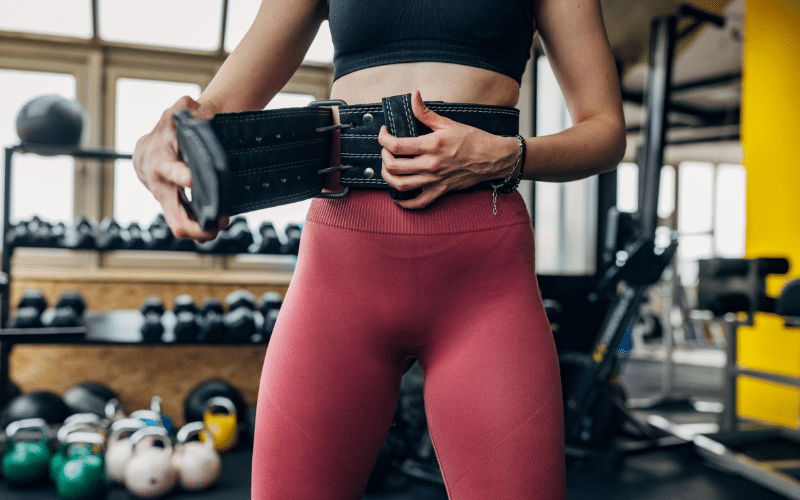
A weightlifting belt is essential for core support and increasing intra-abdominal pressure, which in turn protects the lifter's lower back during heavy lifts. This piece of equipment is a staple for athletes when attempting maximal lifts.
Element 26 Self-Locking Belt
Nylon, four inch
- Widthuniform 4 inch profile
- Material100 percent nylon, double reinforced stitching
- Bucklefull metal self-locking with quick release roller
- Adjustmentinfinitely adjustable, no preset holes
- Approvalmeets requirements for sanctioned Olympic lifting and functional fitness events
#4 Wrist Wraps

Wrist wraps provide additional support to the wrists, which can be vulnerable during heavy lifts. They stabilize the wrist joint and help prevent strain or injury, making them a critical item in a lifter's kit.
Gymreapers Wrist Wraps
Competition grade, 18 inch
- Length18 inches
- ApprovalIPF approved competition grade
- Supportproprietary heavy elastic weave
- Thumb loopthick reinforced loop keeps the wrap in place while wrapping
- Contentsone pair
#5 Knee Sleeves
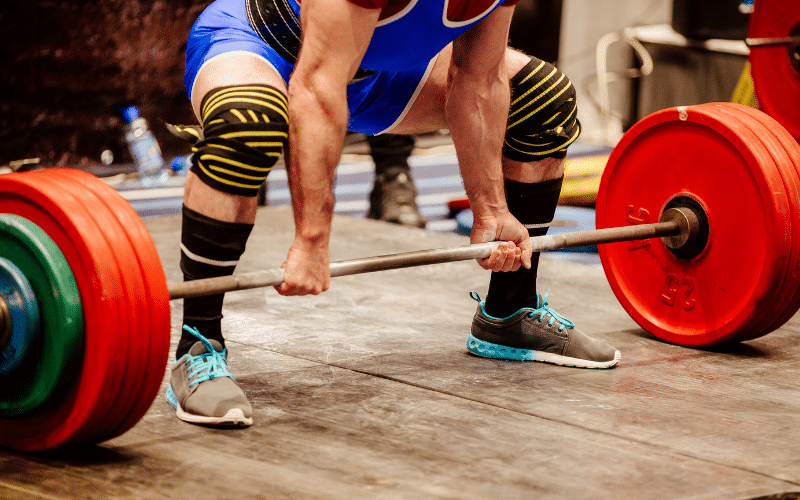
Knee sleeves offer compression, which can improve blood flow and provide joint support. During squats, cleans, and jerks, they help to keep the knees warm and cushioned, thereby reducing the risk of injury.
Gymreapers Knee Sleeves
7 mm, IPF approved
- Thickness7 mm neoprene
- ApprovalIPF approved
- Contentsone pair plus a gym bag
- Buildreinforced stitching
- Usesquats, cross training, powerlifting
#6 Chalk
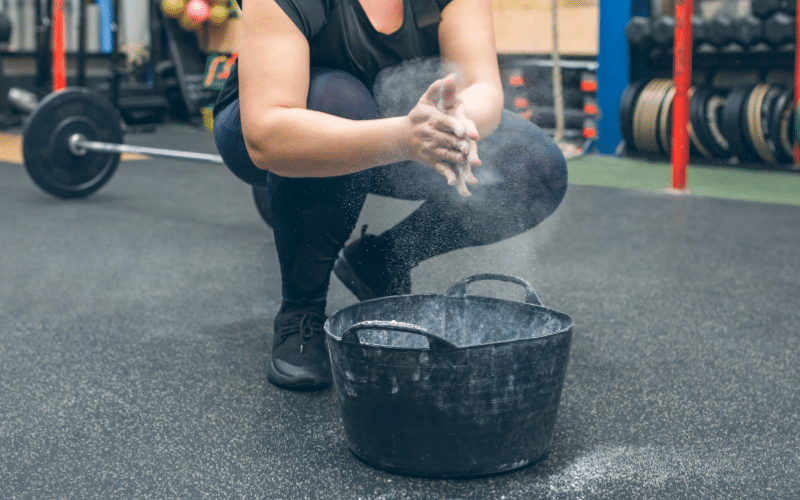
Grip is crucial in weightlifting, and chalk significantly enhances it by absorbing sweat and reducing slippage. Frequent use of chalk can be the difference between a successful lift and a failed attempt.
EVMT Liquid Chalk
Squeeze bottle
- Typeliquid magnesium carbonate
- Drying10 to 15 seconds after application
- Applicationsqueeze bottle, thick consistency, spreads evenly
- Messleaves no dust, allowed in gyms that ban block chalk
- Also forclimbing, gymnastics, pole
#7 Personal Towels

Having personal towels helps with hygiene and comfort, making it easier to wipe away sweat during intense training sessions. They are a simple but necessary accessory for any lifter's equipment list.
#8 Water Bottle
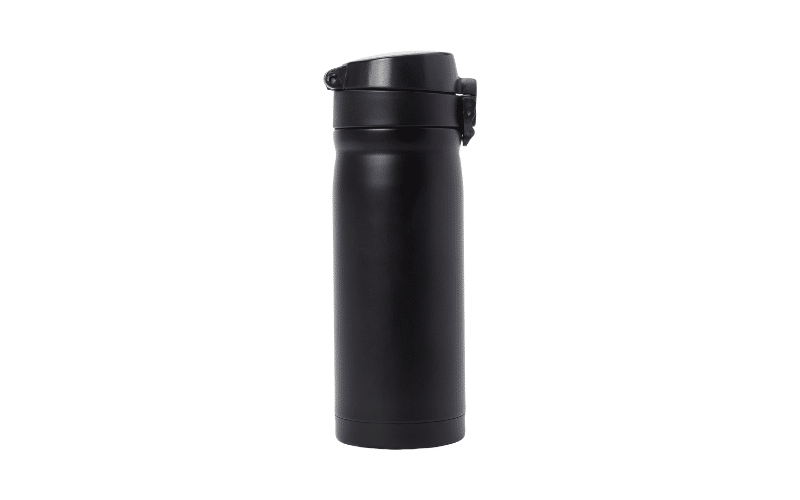
Hydration is key for performance and recovery. A personal water bottle ensures lifters can drink water as needed throughout their training session, helping them stay hydrated and focused.
Equipment for Coaches and Teams
#1 Training Programs and Logs
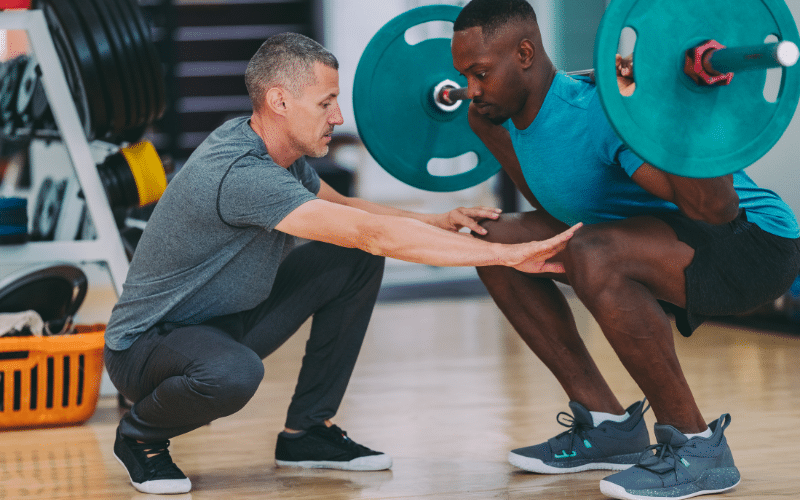
Training programs and logs are crucial for documenting progress and regimens, allowing coaches to tailor workouts to athletes' needs. They help in tracking performance improvements and provide structured training cycles for optimized weightlifting gains.
#2 Barbells and Plates
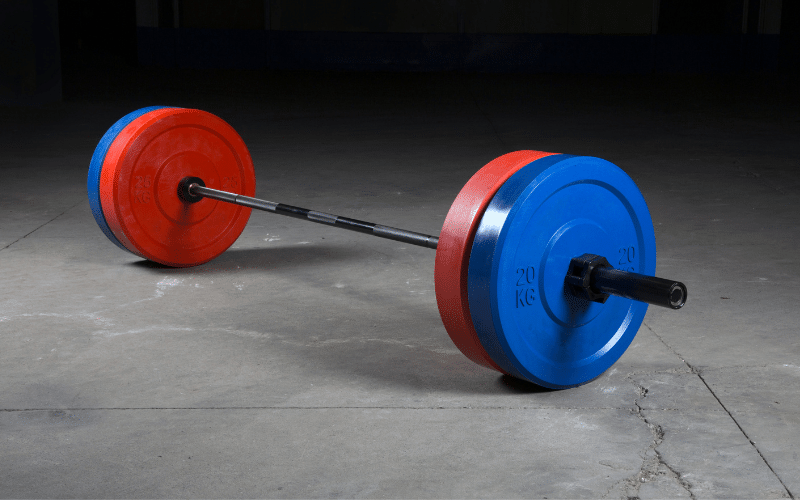
Barbells and plates are the foundation of weightlifting practice; having a variety ensures suitability for all skill levels. They facilitate a range of exercises, building strength, technique, and power essential for competition.
CAP 260 lb Bumper Set
Five pairs of plates
- Contentspairs of 10, 15, 25, 35 and 45 lb bumper plates
- Total260 lb
- Bore2 inch center hole for Olympic barbells
- Hubsteel floating hub
- Rubbermedium bounce blend, color coded weight markers
#3 Lifting Platforms
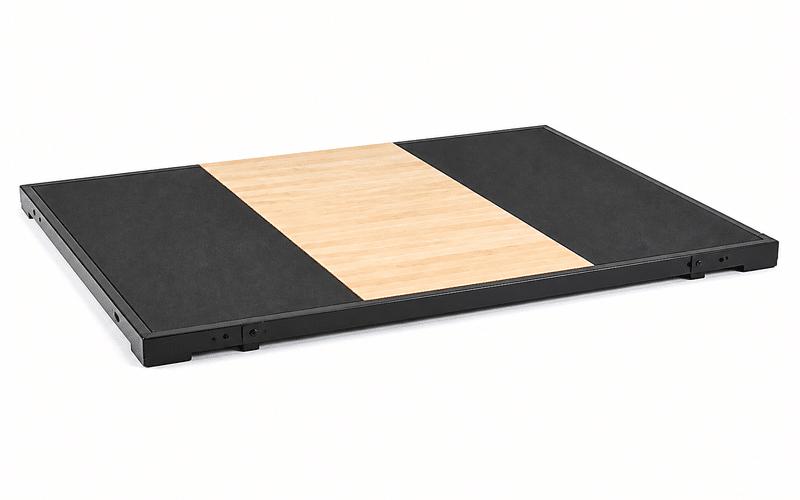
Lifting platforms provide a stable and secure area for athletes to perform lifts. They absorb shock, protect the flooring, and reduce the noise of dropped weights, making them indispensable for safe and effective training environments.
#4 Video Camera

A video camera is imperative for form analysis, offering coaches a tool to review and correct lifting techniques. Visual feedback accelerates skill development and helps prevent injury by ensuring proper form is maintained.
#5 First Aid Kit

A comprehensive first aid kit is essential for immediate response to accidents or injuries. Stocked with supplies, it helps manage minor emergencies on-site, prioritizing athlete health and safety.
#6 Team Apparel
Team apparel provides a unified look, promoting team identity and spirit. Functional and comfortable uniforms ensure lifters can perform at their best while representing their team proudly during competitions.
Equipment for Facilities
#1 Lifting Platforms
Lifting platforms provide a stable and secure area for weightlifters to perform lifts. The shock-absorbing surface is crucial for safety and for protecting the floor beneath from heavy weights being dropped. Platforms delineate a dedicated space for athletes, centralizing lifting activities within the facility.
#2 Barbells and Bumper Plates
Barbells and bumper plates are at the heart of weightlifting, serving as the primary tools for strength training. Bumper plates, made from dense rubber, allow for weights to be safely dropped from a height. Together, they ensure versatility and scalability in weight selection for lifters of all levels.
#3 Squat Racks

Squat racks are a fundamental piece of equipment, enabling weightlifters to safely load and unload heavy weights for exercises like squats and overhead presses. They provide adjustable support for barbells and enhance the efficiency and safety of strength training routines.
SPORTSROYALS Power Cage
1200 lb capacity
- Capacity1200 lb
- Frame50 by 50 mm commercial steel, 1.5 mm wall
- Adjustment14 height adjustable pillars, J hooks and safety bars
- Attachmentslat pulldown and low row pulley, dip bars, pull up bar
- Storageone barbell holder, 6 weight pegs, 6 handle hooks
#4 Bench Press Benches
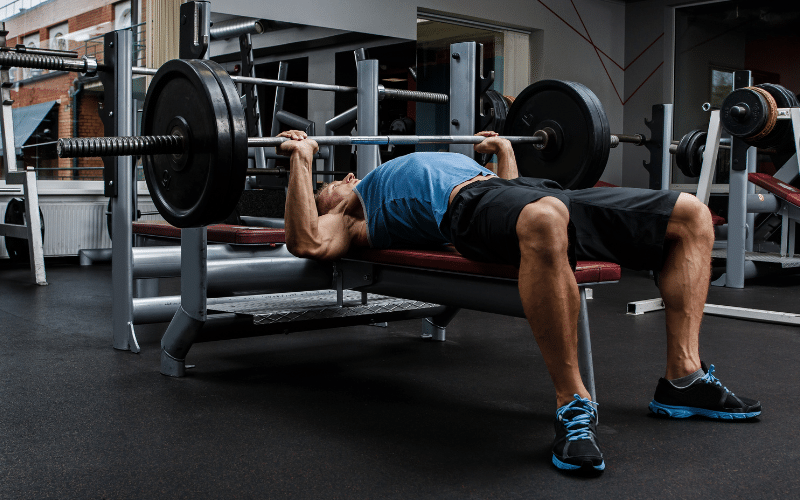
Bench press benches offer a stable platform for performing bench presses, a core lift in strength training. Providing both support and comfort, these benches are adjustable to accommodate a wide range of exercises and user heights, making them indispensable for upper body strengthening.
NICEPEOPLE Adjustable Bench
Eight backrest angles
- Capacity660 lb
- Angles8 backrest positions for incline, flat and decline
- Backrest29.3 inches long
- Framealloy steel with a triangular support structure
- Storagefolds after removing 2 pins, 30.7 by 16 inches folded
#5 Chalk Stations
Chalk stations provide lifters with an essential resource for improving their grip during lifts. Chalk absorbs moisture, reducing the risk of slippage and allowing athletes to maintain better control of the barbell. Stations encourage a tidy environment for this necessary resource.
#6 Warm-Up Areas
Designated warm-up areas allow athletes to prepare their body for intense weightlifting sessions. These spaces are equipped with tools like foam rollers, light weights, and resistance bands that facilitate stretching and muscle activation, reducing the risk of injury and enhancing performance.
#7 Spectator Seating
Spectator seating is crucial for hosting competitions and events, offering viewers a clear vantage point to observe weightlifting performances. Well-arranged seating fosters a supportive atmosphere and enables fans to comfortably enjoy the event, contributing to the sport's community and competitive spirit.
For inspiration on how to showcase your weightlifting journey on social media, don't miss our article on weightlifting Instagram captions.

FAQ
What is the equipment you need to play Weightlifting?
A weightlifting bar, weight plates, a bench, and a squat rack are the equipment you need to play Weightlifting. Proper footwear and gym attire enhance safety and performance.
What is the most important equipment in Weightlifting?
The weightlifting bar and plates are the most important equipment in Weightlifting, as they enable the performance of various lifts and directly impact strength development.
What is a recommended list of Weightlifting equipment for beginners?
Here's a recommended list of Weightlifting equipment for beginners: a weightlifting barbell set, adjustable weight bench, squat rack, weightlifting shoes, wrist wraps, and a belt for support and safety.