Hiking equipment list with all 20 items: boots, backpack, layered clothing, map and compass, water, snacks, first aid kit and a headlamp.
Ten of those go in the pack and on your feet, and that block is the whole shopping list for a day on a marked trail. Five belong to guides and groups, among them a satellite communicator, portable shelter and water purification, and five describe the trail itself, from marked and maintained paths to signage and rest areas.
- What is essential hiking equipment?
- Boots, a pack, layered clothing, a map and compass, water, food, a first aid kit, a knife, a headlamp and sun protection. That is the ten item list every trail authority publishes, and it fits in a 30 liter daypack.
- What hiking gear do you need for a day hike?
- Broken in boots, a 20 to 30 liter pack, a rain shell, two liters of water, snacks, a small first aid kit and a headlamp. The headlamp goes in even for a morning walk, because a slow descent turns into a dark one.
- What tools do you need for a four day hike?
- Everything on the day list plus a shelter, a sleeping system, a stove, a water filter and a satellite communicator. Four days means you carry your own water treatment rather than counting on taps.
- Do you need a map if you have a phone?
- Yes. A phone battery dies in the cold and a signal disappears in a valley, while a baseplate compass and a paper map keep working. Carry both and know how to set a bearing.

Hiking Equipment at a Glance
Ten items are the hiker's own, five belong to a guide leading a group, and five are part of the trail network. Only the first block has to be bought before your first walk.
| Item | What it does | Who supplies it |
|---|---|---|
| Hiking boots or shoes | Grip, ankle support and a sole stiff enough for stony ground | Player |
| Backpack | Carries water, layers and food with the weight on the hips | Player |
| Layered clothingbase, mid, shell | Wicking layer, insulation and a waterproof shell over the top | Player |
| Map and compassor GPS device | Finds the route and works without a battery or a signal | Player |
| Water bottles or bladder | Two liters is the usual day allowance, more in heat | Player |
| Snacks and energy food | Nuts, bars and dried fruit to keep the pace up | Player |
| First aid kit | Blisters, cuts and a sprain are the common trail injuries | Player |
| Multi-tool or knife | Gear repairs, cutting cord, opening food on the move | Player |
| Headlampwith spare batteries | Hands free light for a descent that runs into dusk | Player |
| Sun protectionhat, sunglasses, sunscreen | UV rises with altitude and there is no shade above the treeline | Player |
| Emergency communications device | Satellite messaging and an SOS where there is no cell signal | Coach |
| Group first aid kit | Larger supplies sized to the number of people on the walk | Coach |
| Itinerary and emergency plan | Route and timings left with someone who will raise the alarm | Coach |
| Portable sheltertent or bivy | Gets the group out of wind and rain if the weather turns | Coach |
| Water purification system | Makes stream water drinkable on longer routes | Coach |
| Marked and maintained trails | Waymarks and a cleared path that keeps walkers off the vegetation | Facility |
| Signage | Distances, grades and hazards at junctions and trailheads | Facility |
| Rest areas with seating | Benches and tables that concentrate stops in one spot | Facility |
| Emergency locations | Shelters and ranger stations to head for when something goes wrong | Facility |
| Waste disposal systems | Bins at trailheads and toilets that keep the route clean | Facility |
Equipment for Hikers
#1 Hiking Boots or Shoes
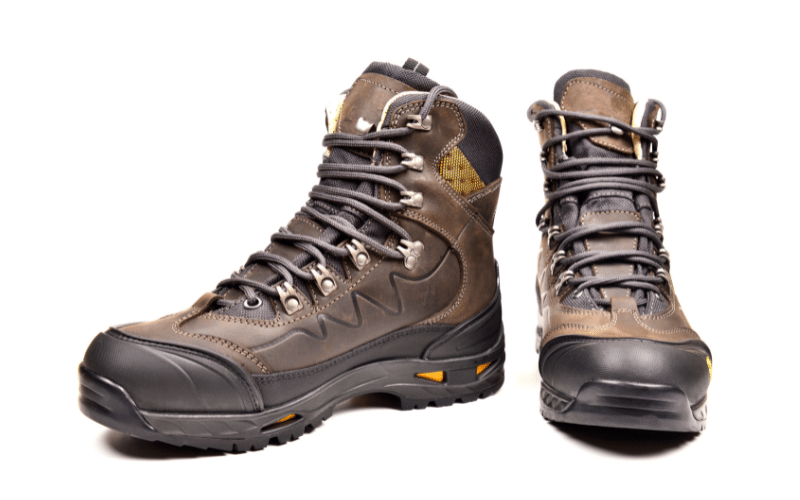
A sturdy pair of hiking boots or shoes is crucial for trail safety and comfort. They provide necessary ankle support, protect feet from rough terrain, and offer traction to prevent slips and falls on various surfaces, making them the foundation of any hiker's gear.
Columbia Transverse Waterproof
Mid boot, waterproof
- MembraneOmni-Tech, waterproof, seam sealed and breathable
- OutsoleOmni-Grip, tread compound for rock, dirt and gravel
- MidsoleTechlite cushioning
- Upperleather and mesh with metal lace hardware
- Collarcushioned, mid height for ankle support
#2 Backpack

A well-fitting backpack is essential for carrying supplies such as food, water, and clothing. Designed for comfort and convenience, it distributes weight evenly, allowing hikers to move freely while ensuring they have everything needed for the journey.
Haimont 30L Daypack
30 liters with rain cover
- Volume30 liters, sized for a full day out
- Rain coverbuilt in, stored in its own bottom pocket
- Hydrationinternal sleeve with hose routing
- Pocketsside bottle pockets, front kangaroo pocket, organizer pockets
- Carrybreathable back panel, adjustable sternum strap, whistle buckle
- Polestrekking pole loops with retention straps
#3 Weather-Appropriate Clothing (layering system)

Layering clothing allows hikers to adapt to changing temperatures and conditions on the trail. A combination of moisture-wicking base layers, insulating mid-layers, and waterproof and windproof outer layers keeps hikers dry, warm, and protected.
Columbia Glennaker Lake II
Packable rain shell
- Shellwaterproof nylon
- Packingfolds into its own hand pocket
- Hoodstow-away, unfolds from the collar
- Cuffselastic
- Hemadjustable drawcord
- Pocketszippered hand pockets
#4 Map and Compass or GPS Device

Navigation tools are vital for staying on course. A traditional map and compass are reliable and don't rely on batteries, while GPS devices offer high-tech convenience and pinpoint accuracy, helping to prevent disorientation and ensure a safe trek.
Suunto A-10
Baseplate compass
- Typebaseplate compass for map navigation
- Needlehigh grade steel with a jewel bearing
- Capsuleliquid filled for a stable needle
- Balancingnorthern hemisphere
- Powernone needed, no batteries
- Originmade in Finland
#5 Water Bottles or Hydration System
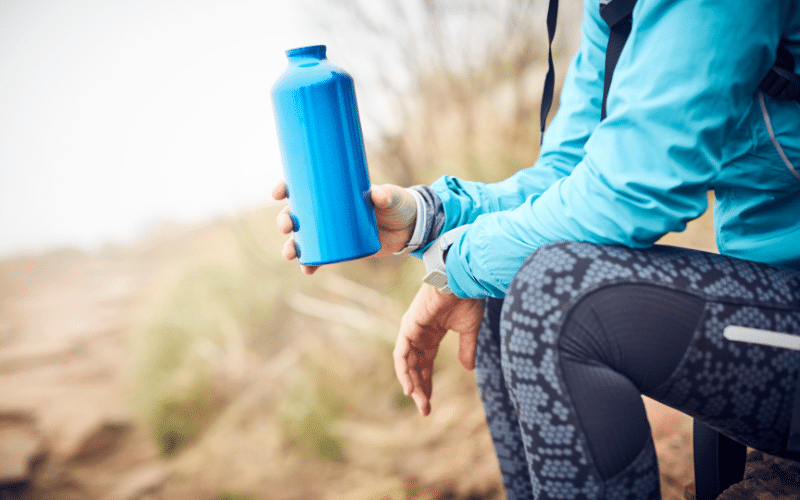
Staying hydrated is key for performance and safety. Water bottles or a hydration system provide easy access to fluids, assisting in preventing dehydration and heat-related issues while allowing hikers to manage their water reserves wisely.
CamelBak Crux 2L
70 ounce reservoir
- Capacity2 liters, 70 ounces
- Flowhigh flow design, more water per sip
- Capleak resistant, easier to open and close
- Valveself sealing bite valve
- Controlon and off lever on the tube
- Fillingergonomic fill handle
#6 Snacks/Energy Food

Energy-boosting snacks are important for maintaining stamina on the trail. Foods such as nuts, granola bars, and dried fruit offer quick calories and nutrients, sustaining hiker energy levels and aiding in endurance throughout the hike.
#7 First Aid Kit

A compact and well-stocked first aid kit is essential for handling minor injuries and emergencies on hikes. It allows for prompt treatment of cuts, blisters, and other common ailments, potentially preventing more serious complications.
#8 Multi-Tool or Knife
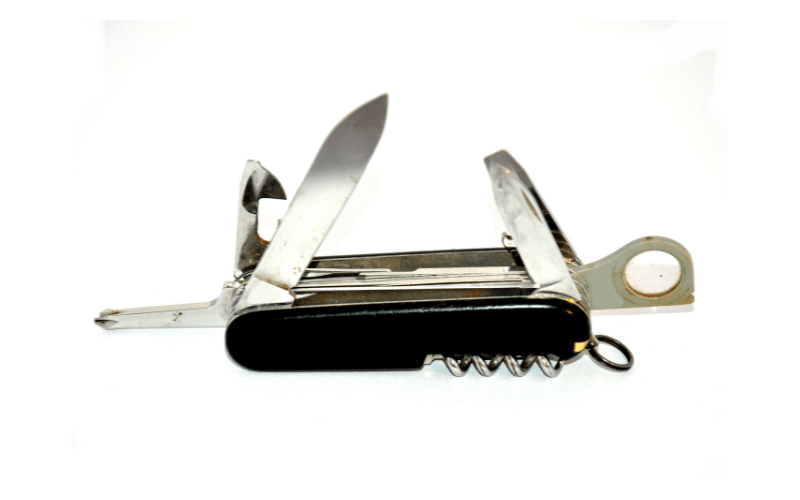
A multi-tool or knife is indispensable for versatility and problem-solving. It can aid in gear repair, food preparation, or emergency situations, making it a multipurpose tool that's invaluable in the wilderness.
Leatherman Signal
19 tools, outdoor build
- Tools19, among them pliers, wire cutters, knife, saw, hammer and can opener
- Size4.5 inches closed
- Weight7.5 ounces
- Extrasbuilt in fire starter and a safety whistle
- Warranty25 years
- OriginPortland, Oregon
#9 Headlamp or Flashlight with Extra Batteries
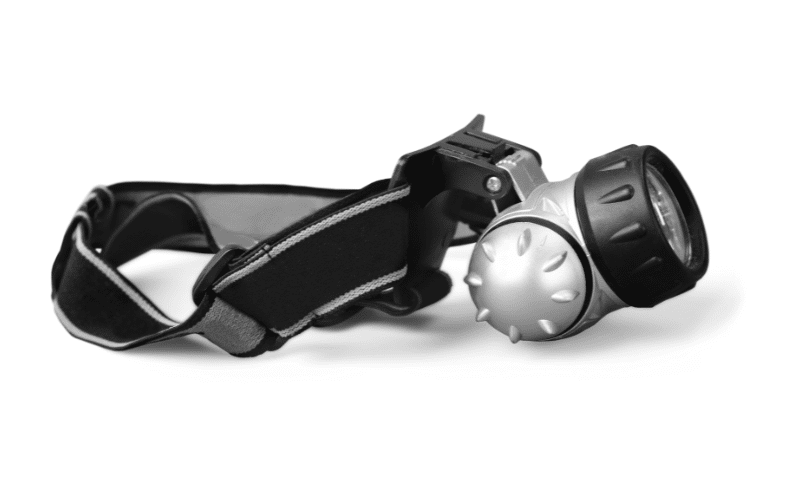
A headlamp or flashlight is critical when darkness falls or in low-visibility conditions. They keep paths illuminated, allowing for safe travel and camp setup. Carrying extra batteries ensures a consistent light source throughout the hike.
Black Diamond Spot 400
400 lumens, AAA cells
- Outputup to 400 lumens
- Power3 AAA batteries included, works with the BD 1500 rechargeable pack
- Modesfull power, dimming, proximity, strobe, red night vision
- Housingwaterproof construction
- Fitadjustable headband, low profile
#10 Sun Protection (sunglasses, sunscreen, hat)

Effective sun protection is essential to prevent sunburn and eye damage. Sunglasses shield eyes from harmful UV rays, a wide-brimmed hat provides shade, and sunscreen protects the skin, making them important for comfort and long-term health on sunny hikes.
Equipment for Guides and Groups
#1 Emergency Communications Device
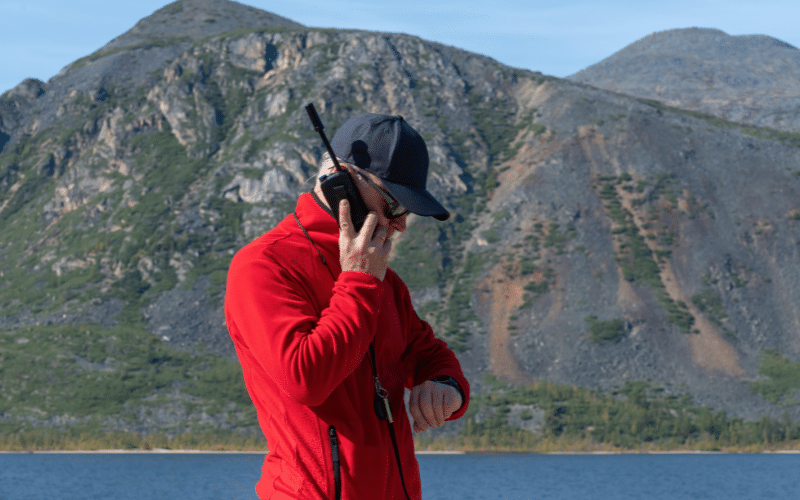
An emergency communications device, such as a satellite phone or two-way radio, is indispensable for maintaining contact in remote areas. It ensures that guides have a reliable means to call for help, communicate with team members, and coordinate rescues if necessary, enhancing the safety of all hikers.
Garmin inReach Mini 3
Iridium SOS messenger
- Networkglobal Iridium satellite network, works without cell coverage
- Emergencyinteractive SOS to the Garmin Response coordination center, staffed 24/7
- Batteryup to 350 hours with 10 minute tracking
- Displaycolor touchscreen, scratch resistant
- RatingIP67
- Notean active satellite subscription is required
#2 Group First Aid Kit
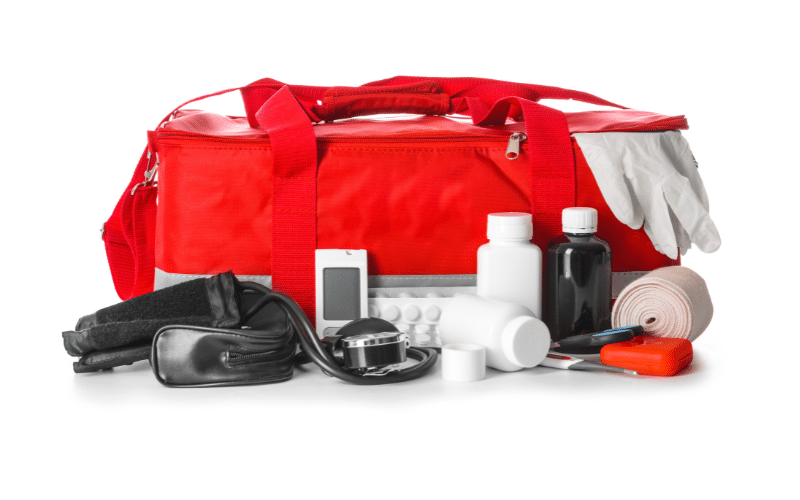
A comprehensive group first aid kit is essential for addressing medical issues that may arise during group hikes. It contains supplies tailored to the larger numbers and diverse needs of the group, enabling prompt care for injuries or illnesses away from immediate medical facilities.
#3 Itinerary and Emergency Plan
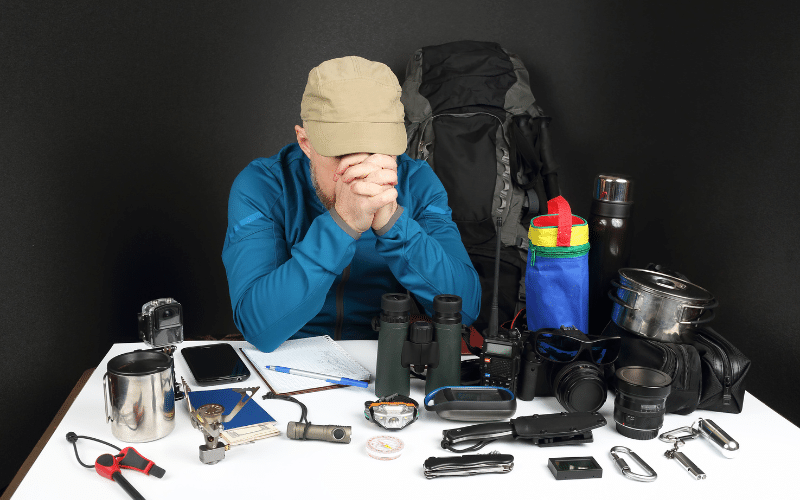
Having a well-thought-out itinerary and emergency plan is crucial for group hiking safety. It assures that everyone, including rescue personnel if needed, knows the group's route and the protocols to follow in an emergency, reducing risks and improving response times significantly.
#4 Portable Shelter
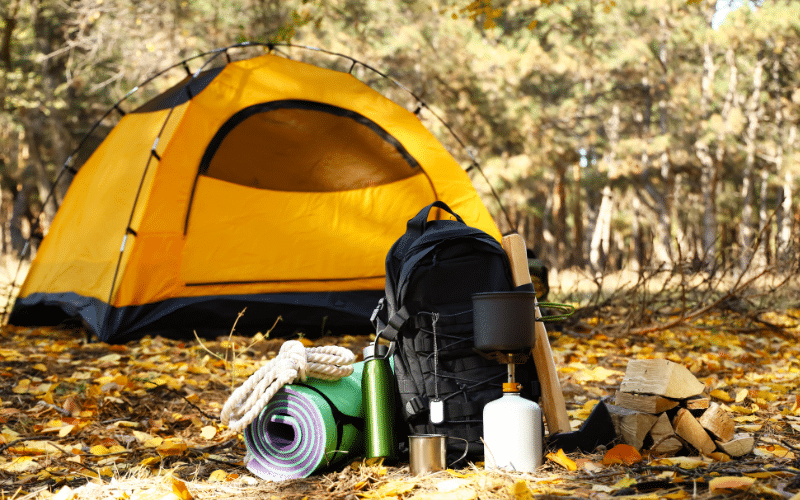
Portable shelters, such as tents or bivy sacks, are vital for long or high-altitude hikes where weather conditions can change rapidly. They provide group protection from the elements, offer a rest area for recovery, and can be life-saving in situations where exposure is a risk factor.
Naturehike Cloud Up Base
2 person, 4.25 pounds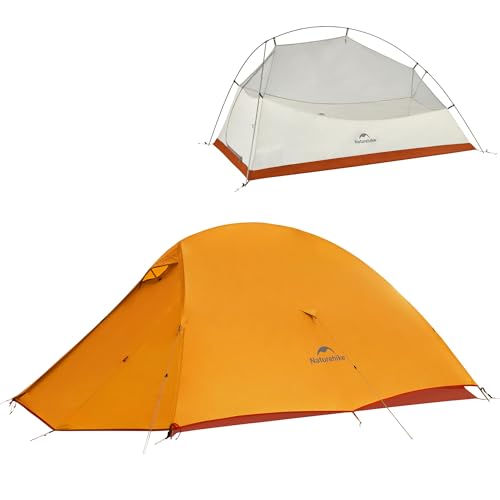
- Weight4.25 pounds without the footprint
- Packed size15.7 by 5.1 by 5.1 inches
- Floor82.7 by 49.2 inches, 41.3 inches high
- Fabric210T polyester, PU 3000mm coating, taped seams
- Builddouble layer with a mesh inner
- Includedfootprint, fly, inner tent, poles, carry bag
#5 Water Purification System
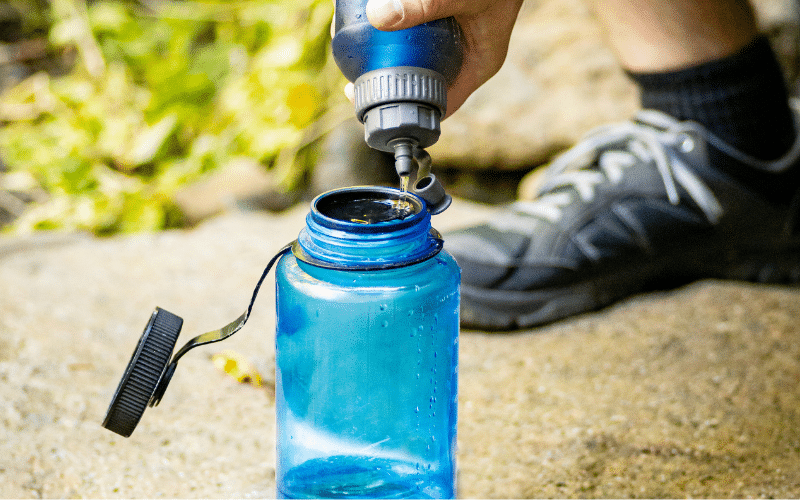
A water purification system is essential for groups to ensure access to clean drinking water during hikes, especially in remote or wilderness areas. It prevents waterborne illnesses by removing pathogens from natural water sources, keeping hikers hydrated and healthy throughout their excursion.
Sawyer Squeeze SP129
0.1 micron, gravity ready
- Filter0.1 micron absolute hollow fiber, 2 ounces
- Removesbacteria, protozoa, cysts, sediment and 100 percent of microplastics
- Contentstwo 32 ounce collapsible pouches, straw, hydration pack adapters, mesh bag
- Fittingthreads onto standard 28 millimeter bottles
- Usesqueeze, straw or hung as a gravity system
Equipment for Facilities
#1 Marked and Maintained Trails
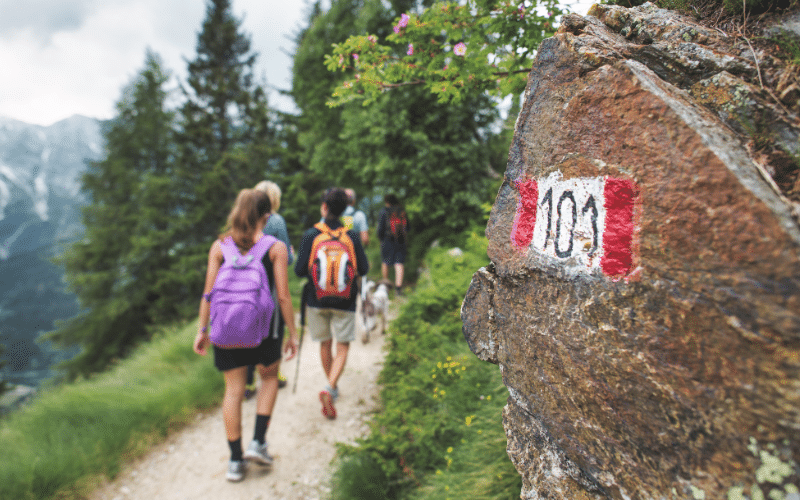
Marked and maintained trails are integral to safe and enjoyable hiking experiences. Clear trail markings guide hikers along established paths, preventing disorientation and minimizing the impact on the environment. Regular maintenance ensures trails are safe and accessible, greatly enhancing the hiking experience.
#2 Signage
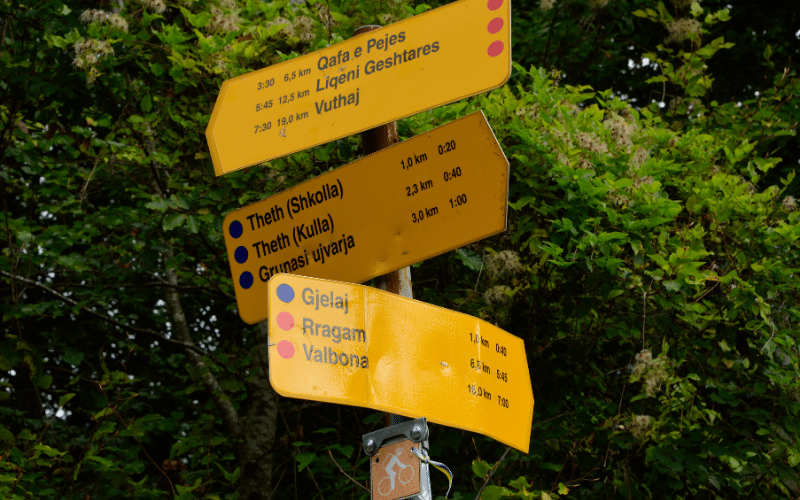
Signage provides essential information and direction to hikers, outlining trail lengths, difficulty levels, and points of interest. Well-placed signs can prevent hikers from getting lost and inform them of any potential hazards ahead, making signage crucial for a user-friendly hiking environment.
#3 Rest Areas with Seating
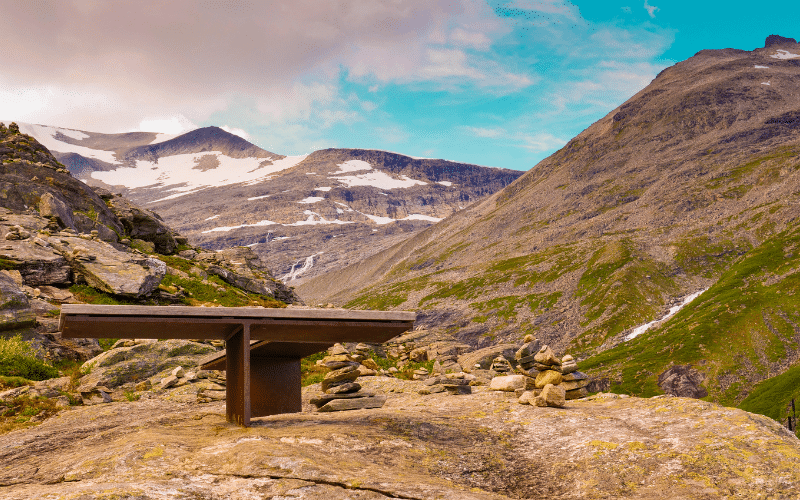
Rest areas with seating offer hikers places to take breaks, refuel, and enjoy the surrounding nature. These designated spots help manage trail traffic, reduce environmental damage from off-trail stops, and enhance the comfort and enjoyment of the hiking experience.
#4 Emergency Locations

Emergency locations, such as shelters and ranger stations, provide critical safe havens and assistance points for hikers in distress. Their presence can be lifesaving in the event of sudden weather changes, injuries, or other emergencies, making them an essential facility on any hiking trail.
#5 Waste Disposal Systems

Waste disposal systems are vital for preserving the natural beauty and cleanliness of hiking areas. Proper disposal methods discourage littering, prevent pollution, and promote sustainability by facilitating responsible waste management from both hikers and facility operators.

FAQ
What is the equipment you need to play Hiking?
Sturdy hiking boots, a backpack, and appropriate clothing are the equipment you need to play hiking. These items form the basic gear for safety and comfort on the trails.
What is the most important equipment in Hiking?
A reliable pair of hiking boots is the most important equipment in Hiking, as they provide the necessary support and protection for diverse terrains and conditions.
What is a recommended list of Hiking equipment for beginners?
Here's a recommended list of Hiking equipment for beginners: comfortable hiking boots, a weather-appropriate clothing system (base, insulation, and shell layers), a backpack, a water bottle or hydration system, a trail map or GPS device, and a first-aid kit. This gear helps ensure a safe and enjoyable experience on the trail.