Rowing equipment list with all 20 items: the shell, oars, shoes fixed to the boat, a PFD for safety, grip gloves, sunglasses, hat, sunscreen and water.
Eight of the twenty items belong to the rower, and only a few of them are actually carried to the water, because the shell, the oars and even the shoes stay with the boat. Six belong to the coach, among them the launch, the megaphone and the video camera, and six describe the club, from the boathouse and the dock to the ergometers and the repair workshop. The table below lists all of them with the job each one does.
- What do you use to row a boat?
- Oars. A sculler uses two, one in each hand, and a sweep rower uses one held in both hands. They pivot in a rigger outside the hull, which is what makes a racing shell so much faster than a dinghy.
- What equipment do you need for rowing?
- The boat and the oars come from the club, and so do the shoes, because they are bolted onto the footplate. What a rower brings is close-fitting kit, gloves or taped hands, sunglasses, a hat, sunscreen and water.
- What do you need for a rowing trip on the water?
- A buoyancy aid or belt pack PFD, drinking water, sun protection, a phone in a dry bag and a way to be seen. Cold water is the real risk, so the clothing is picked for the water temperature and not the air.
- What equipment does a rowing club have?
- Six items on this list are the club: the boathouse, the dock, a row of ergometers, weight training equipment, locker rooms and a workshop for repairs to hulls and riggers.

Rowing Equipment at a Glance
Eight items belong to the rower, six to the coach and six to the club. A beginner buys almost nothing from the first block, because the expensive parts stay in the boathouse.
| Item | What it does | Who supplies it |
|---|---|---|
| Rowing Shellsingle up to eight | The boat, narrow and light, riggers carry the oars outside the hull | Club |
| Oarssculling or sweep | Two per sculler, one per sweep rower, the blade shape is the engine | Club |
| Rowing Shoes | Bolted to the footplate, the rower steps into them and pushes off them | Club |
| Flotation DevicePFD | Belt pack or buoyancy aid, worn or stowed depending on the rules | Rower |
| Gloves | Optional, most rowers tape the hands or let the calluses form | Rower |
| Sunglasses and Hat | Glare comes off the water twice, from above and from the surface | Rower |
| Sunscreen | Two hours on open water with no shade, the neck burns first | Rower |
| Water Bottle | Clipped in the boat, a long outing runs well over an hour | Rower |
| Coaching Boatlaunch | Runs alongside the crew and carries the coach and the safety kit | Coach |
| Megaphone or Radios | Carries a correction across open water over the engine noise | Coach |
| First Aid Kit | Kept in the launch, blisters and back strain are the usual cases | Coach |
| Team Uniforms | Club colors on a close-fitting one piece, loose kit catches the slide | Coach |
| GPS Devices | Speed per stroke and distance, the numbers a crew works against | Coach |
| Video Camera | Films the catch and the finish from the launch for the debrief | Coach |
| Boathouse | Racks for the shells, the largest thing a rowing club owns | Facility |
| Dock or Launching Area | Where a crew boats, the one place a shell touches anything solid | Facility |
| Ergometers | Winter training, testing and selection all happen on the erg | Facility |
| Weight Training Equipment | Rowing is a strength sport, the legs do most of the work | Facility |
| Locker Rooms | Changing and showers, crews come off the water wet in any weather | Facility |
| Repair Workshop | Hulls, riggers and seats, a club fixes almost everything itself | Facility |
Equipment for Rowers
#1 Rowing Shell (Boat)

The rowing shell is the fundamental piece of equipment for the sport, designed for speed, balance, and efficiency in the water. The sleek design allows rowers to glide through the water, making it essential for both practice and competition.
#2 Oars

Oars are the critical tools that propel the rowing shell forward. They must be strong yet lightweight, and the correct length for optimal leverage and stroke efficiency. Mastery of oar handling is key for successful rowing.
#3 Rowing Shoes

Rowing shoes are secured to the boat and play a vital role in the connection between the rower and the shell. They allow rowers to leverage their leg strength during the stroke, ensuring maximum power is transferred.
#4 Personal Flotation Device (PFD)
Safety first, PFDs are crucial in ensuring rowers' safety on the water, especially in the event of capsizing. They provide buoyancy that assists with staying afloat and conserving energy while awaiting help.
Onyx M-16 Belt Pack
USCG approved, manual
- Typeinflatable belt pack, worn at the waist
- Inflationmanual pull handle, 16 gram CO2 charge
- Buoyancy17 pounds, up to 26.5 with oral topping up
- Weightunder 1 pound
- ApprovalUSCG approved, ages 16 and up, over 80 pounds
#5 Gloves

While not mandatory, gloves can protect hands from blisters and provide a better grip on the oars, especially during long training sessions or amid challenging weather conditions.
Hornet Watersports Rowing Gloves
Half finger, size M
- Palmsilicone anti-slip grip
- Cuthalf fingerless, keeps finger feel on the handle
- SizeM, fits 7.5 to 8 inch hands
- Useindoor rowing, sculling, kayak and dragon boat
- Caremachine washable
#6 Sunglasses and Hat

Sunglasses protect the rower's eyes from glare and UV rays on the water, while a hat shields against sun exposure, both enhancing comfort and focus during rowing.
KastKing Osage
Polarized wrap frame
- Lenses1.0 mm polarized TAC, impact resistant
- CoatingPuriVex, repels water and resists scratches
- FrameGrilamid, lightweight and flexible
- Gripnon-slip nose and temple pads
- Tintsmoke for bright light, brown for contrast
#7 Sunscreen

Long hours on the water increase the risk of sunburn. Sunscreen is essential to protect rowers' skin from harmful UV radiation, which is amplified by reflection off the water.
#8 Water Bottle

Hydration is key in maintaining performance during strenuous rowing activities. A water bottle ensures that rowers can conveniently stay hydrated, keeping fatigue at bay and aiding in recovery.
Equipment for Coaches and Teams
#1 Coaching Boat
A coaching boat is indispensable for following rowers on the water, providing real-time feedback and instruction. It allows coaches to be in proximity to the rowers during training sessions, enabling them to effectively communicate techniques and strategies.
#2 Megaphone or Two-Way Radios

Megaphones or two-way radios are crucial for communication between coaches and rowers across distances. They ensure that instructions are clearly heard over the noise of the water, aiding in the coordination and execution of training exercises.
Pyle 50W Megaphone
Bullhorn with detachable mic
- Power50 watts
- Rangeup to 1700 yards
- Micdetachable handheld
- Extrassiren mode, 3.5 mm aux input
- Power supply8 C batteries
#3 First Aid Kit

A well-stocked first aid kit is essential for any rowing team to address medical needs promptly. It contains items necessary for treating common injuries and emergencies on the water, safeguarding the health and well-being of athletes.
#4 Team Uniforms

Team uniforms are important for establishing a cohesive and professional appearance at competitions. They contribute to team identity and spirit, while also complying with regulations for competitive events.
#5 GPS Devices

GPS devices are vital in monitoring the speed and distance covered by rowers, providing critical data for performance analysis and improvement. They assist in setting training goals and gauging progress during practices and races.
#6 Video Camera

A video camera is a key tool for technique analysis in rowing. Recording practices and competitions allows coaches to review and critique rowers' form, coordination, and timing, which aids in the refinement of their overall technique.
Equipment for Facilities
#1 Boathouse

A boathouse is vital for the storage and protection of rowing shells and oars. It shields valuable equipment from the elements and provides a secure space for maintenance and repairs. The presence of a boathouse signifies a dedicated and properly managed rowing facility.
#2 Dock or Launching Area

A stable dock or launching area provides rowers with safe access to the water. It's essential for the smooth transition of shells from land to water, enabling efficient practice and competition starts. A well-constructed dock accommodates multiple crews and ensures the security of equipment.
#3 Ergometers

Ergometers, commonly known as rowing machines, are crucial for off-water training. They simulate the rowing stroke, allowing athletes to work on technique and build fitness regardless of weather conditions. Ergometers are indispensable for year-round training and performance assessments.
Concept2 RowErg
PM5 monitor, air resistance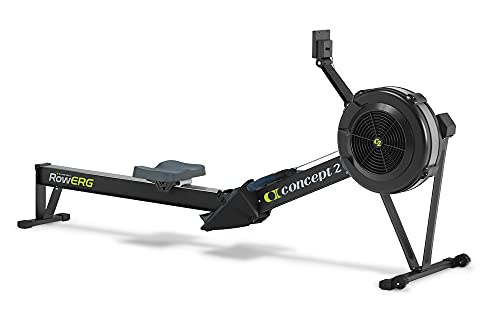
- MonitorPerformance Monitor 5, Bluetooth and ANT+
- Resistanceadjustable air damper on the flywheel
- Seat14 inch seat height, adjustable footrests
- Storageseparates into two pieces, caster wheels
- Spaceabout 9 by 4 feet, 500 pound capacity
#4 Weight Training Equipment

Weight training equipment is essential for a rower’s physical conditioning. It helps in increasing strength, power, and injury prevention. A facility equipped with weights and related training apparatus ensures rowers can undertake a comprehensive fitness regime.
#5 Locker Rooms

Locker rooms offer rowers a private space for changing and storing personal items. These facilities promote hygiene and comfort, allowing rowers to prepare for training sessions or regattas. Well-maintained locker rooms enhance the overall experience at a rowing center.
#6 Repair Workshop
A repair workshop is fundamental for the upkeep of rowing equipment. It provides the space and tools needed to conduct repairs and regular maintenance on shells and oars. Having on-site repair capabilities ensures equipment remains in safe and optimal condition, minimizing downtime.

FAQ
What equipment do you need to play Rowing?
A rowing shell, oars, and personal flotation devices are the equipment you need to play Rowing. These items are crucial for the sport, ensuring safety and enabling movement.
What is the most important equipment in Rowing?
The rowing shell is the most important equipment in Rowing, as it is the primary vessel for the sport, allowing for navigation and speed on the water.
What is a recommended list of Rowing equipment for beginners?
Here’s a recommended list of Rowing equipment for beginners: a basic rowing shell, one pair of oars, a personal flotation device, rowing gloves, and comfortable, close-fitting clothing. These will help ease the entry into the sport.