Gymnastics equipment list with all 23 items. The gymnast brings seven: leotard, bar grips, wrist supports, beam shoes, chalk, a personal mat and water.
Eight are club apparatus, from balance beams and uneven bars to the vault table, pommel horse and rings, and eight describe the hall, including competition and spring floors, foam pits, trampolines and spectator seating. The table below lists all twenty-three with the purpose of each one.
- What equipment do you need for gymnastics?
- A leotard, bar grips, wrist supports, beam shoes and chalk are the gymnast's own kit. Every apparatus, from the beam to the vault table, belongs to the club.
- What are the apparatus in gymnastics?
- Women compete on four, namely vault, uneven bars, balance beam and floor. Men compete on six, namely floor, pommel horse, rings, vault, parallel bars and horizontal bar.
- What are the names of gymnastics equipment?
- Balance beam, uneven bars, horizontal bar, parallel bars, pommel horse, rings, vault table, spring floor, trampoline and foam pit. The personal items are the leotard, bar grips, wrist supports, beam shoes and chalk.
- What do you put in a gymnastics gym?
- A spring floor, a beam, a set of bars, a vault table with a springboard, a trampoline and a foam pit, with training mats around every landing area.

Gymnastics Equipment at a Glance
Seven items are the gymnast's own, eight are apparatus the club owns, and eight belong to the hall itself. A beginner buys the first block and finds everything else waiting at the gym.
| Item | What it does | Who supplies it |
|---|---|---|
| Leotard | Close fitting one piece, nothing loose to catch on the apparatus | Player |
| Training gripsfor bars | Leather palm piece with a dowel, saves the hands on the bars | Player |
| Wrist supports | Brace the joint on tumbling passes and vault landings | Player |
| Balance beam shoes | Thin suede sole for grip and feel on a 4 inch beam | Player |
| Chalk | Magnesium carbonate dries the hands so the bar does not slip | Player |
| Personal mats | A portable landing pad for practice outside the gym | Player |
| Water bottle | Sessions run for hours, drinking happens between rotations | Player |
| Training mats | Cushion the landing while a skill is still being learned | Coach |
| Balance beams | 4 inches wide, the apparatus for leaps, turns and holds | Coach |
| Uneven bars | Two bars at different heights for swings, releases and transitions | Coach |
| Vault table | The padded table gymnasts push off after the run and springboard | Coach |
| Pommel horse | Circles and pendulum swings on two handles, a men's apparatus | Coach |
| Rings | Hung from straps, strength holds and swings, a men's apparatus | Coach |
| First aid kit | Ankle and wrist injuries are the common gymnastics ones | Coach |
| Video analysis equipment | Slow motion playback so a gymnast sees her own shape | Coach |
| Gymnastics hall | High ceilings and room for every apparatus at once | Facility |
| Competition floor | The 12 by 12 meter area floor routines are performed on | Facility |
| Spring floor | Springs and foam under the surface add height and soften landings | Facility |
| Foam pits | Loose foam blocks so a new skill can be tried without a hard landing | Facility |
| Trampolines | Builds air awareness before a skill moves onto the floor | Facility |
| Seating for spectators | Set back from the runways and the landing zones | Facility |
| Locker rooms | Changing and storage before and after training | Facility |
| PA system | Plays the music for floor routines and announces gymnasts | Facility |
Equipment for Gymnasts
#1 Leotard

A leotard is vital for gymnasts, providing the freedom of movement required for intricate maneuvers. Its snug fit reduces the risk of entanglement or catching on equipment, ensuring both safety and a sleek silhouette for judges’ assessments in competitions.
Capezio Team Basic Leotard
Short sleeve, girls sizes
- Cutscoop front and back with a ballet leg line
- Sleeveshort sleeve
- Seamsdouble stitched
- Liningfull front lining in the light colors
- Sizesgirls, listed in US age ranges
#2 Training Grips (for bars)

Training grips are crucial for apparatus work, especially on bars. They protect a gymnast's hands from blisters and rips while enhancing grip, reducing the risk of slipping, and allowing athletes to perform routines with confidence and security.
Gibson Just Right Bar Grips
Dowel grips for young gymnasts
- Made forearly competitors, roughly ages 7 to 12
- Typedowel grip, narrower than a standard grip
- Closuredouble buckle straps
- MaterialAmerican leather, made in the USA
- Sizingmeasured from the base of the palm to the tip of the middle finger
#3 Wrist Supports

Wrist supports safeguard against strain and injuries by stabilizing the joint during weight-bearing exercises and challenging tumbling passes. These are particularly essential in a sport that places high stress on the wrists.
Tiger Paw Wrist Supports
Sold in pairs
- Sold asa pair
- Fitfully adjustable, conforms to the hand
- Sizingchosen by body weight, not by hand size
- MakerUS Glove, made in the USA
- Also used bycompetitive cheerleaders
#4 Balance Beam Shoes
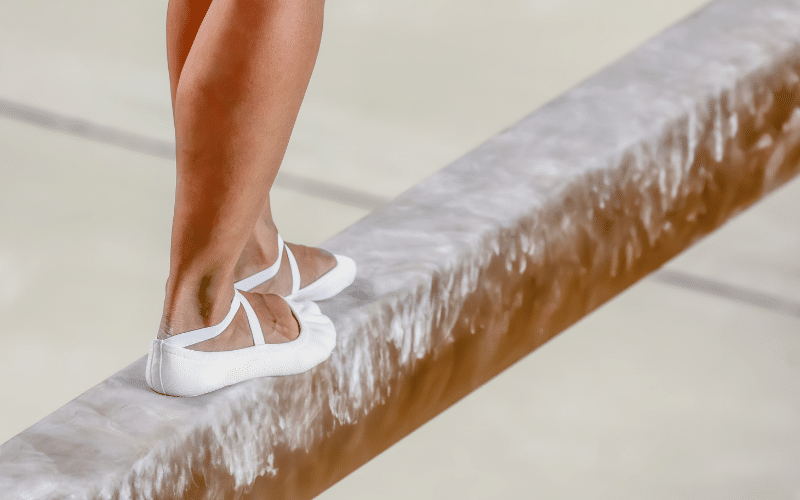
Balance beam shoes offer critical traction and balance on the beam, providing a slight cushion and improving the gymnast's feel for the apparatus, aiding in precision and safety during beam routines.
EEASE Gymnastic Shoes
Slip on, suede upper
- Uppersoft goat suede leather
- Solesynthetic rubber, non-slip
- Fitelasticized front panel plus a strap around the heel
- Sizestoddler and kids, size chart in centimeters
- Also used fortumbling, trampoline and vaulting
#5 Chalk

Chalk absorbs moisture and enhances grip, a key factor in preventing slips during apparatus exercises. It's used on hands and feet to ensure a firm hold on bars, rings, and vaults.
Rage Fitness Gym Chalk
One pound of blocks
- Materialpure magnesium carbonate, pigment free
- Contentseight 2 ounce blocks, 1 pound in total
- Formsolid blocks that break apart by hand
- Also used forweightlifting and rock climbing
#6 Personal Mats
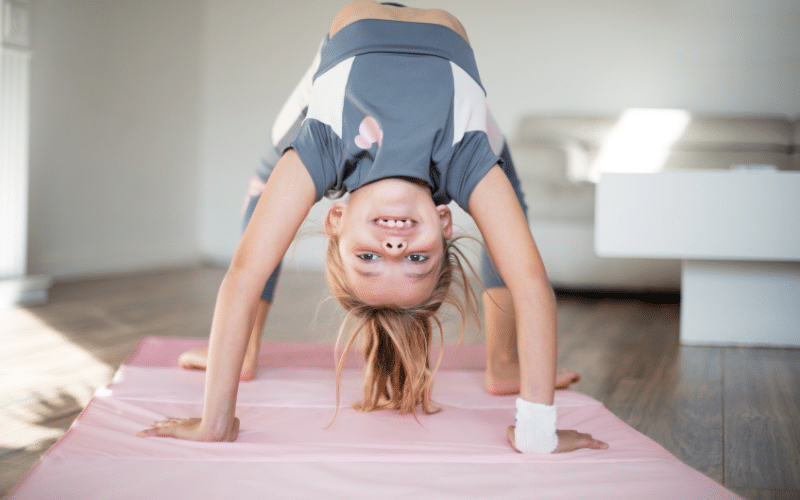
Personal mats are used for safety during practice and provide a portable, cushioned surface for gymnasts to perform floor exercises and apparatus dismounts, thereby minimizing the risk of injury.
BalanceFrom Folding Gymnastics Mat
10 by 4 feet, folds in four
- Size10 feet by 4 feet, 2 inches thick
- Folded4 feet by 4 feet by 8 inches
- Weight15 pounds, with built in handles
- Coverdouble sided vinyl, wipes clean
- Joininghook and loop edges connect several mats
#7 Water Bottle

Maintaining hydration is essential for gymnasts to keep muscles functioning properly and to prevent fatigue during long sessions. A water bottle is a personal and portable way to ensure water intake is sufficient.
Equipment for Coaches and Teams
#1 Training Mats

Training mats are a foundational piece of safety equipment for gymnastics, offering cushioning for landings and falls during practice, which helps in preventing injuries.
FBSPORT Inflatable Air Track
10 feet, inflatable
- Length10 feet
- Thickness4 inches
- Material500D filament grade PVC tarpaulin with reinforced seams
- Includedelectric air pump
- Inflationunder a minute to inflate or deflate
#2 Balance Beams
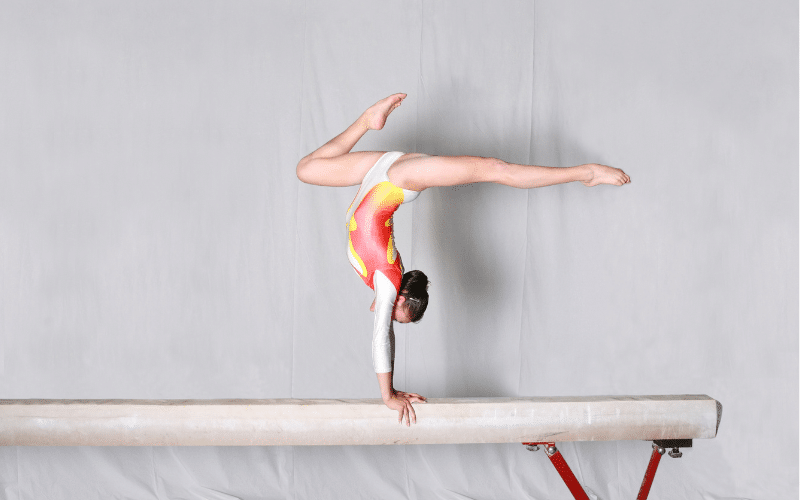
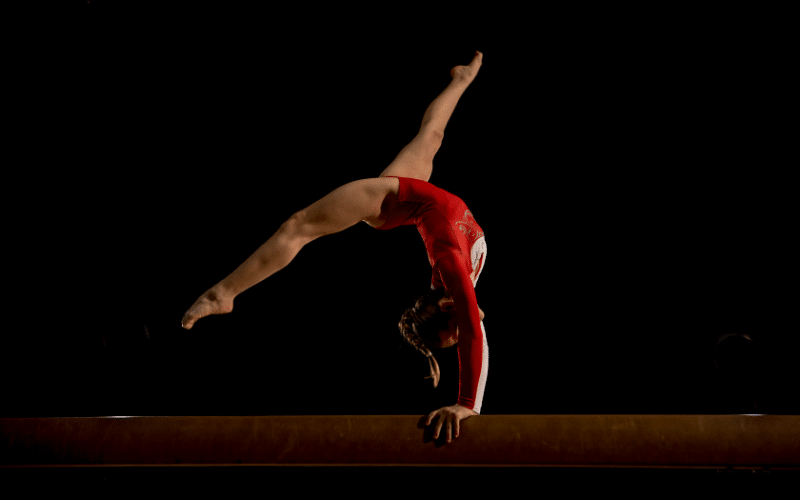
The balance beam is a standard piece of equipment for women's gymnastics, used to practice and perform routines involving leaps, turns, and balance skills in a narrow space.
FC FUNCHEER Adjustable Balance Beam
8 feet, three heights
- Size8 feet long, 4 inches wide, the competition width
- Heights17, 32 and 42 centimeters
- Adjustmentfour knobs, no tools
- Coresolid wood with EVA foam and a faux suede cover
- Legssteel, fully wrapped in rubber
#3 Uneven Bars
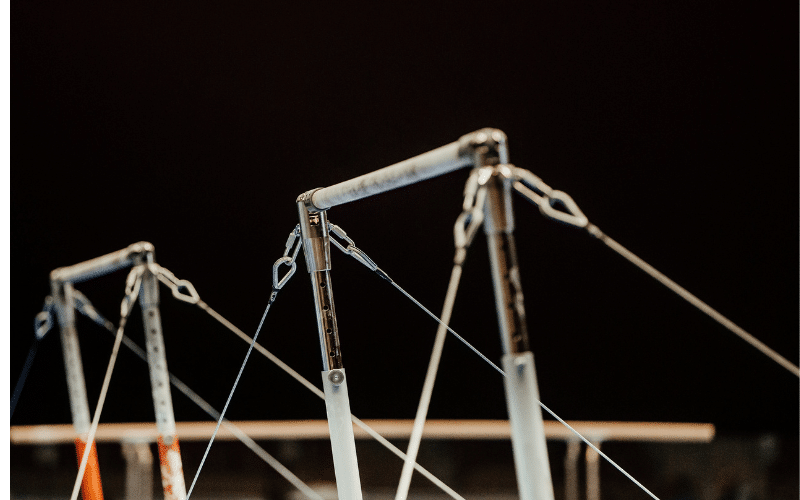
Uneven bars are used in women's artistic gymnastics for swinging, circling, transitional, and release moves, demanding coordination and upper body strength.
Tepemccu Gymnastics Bar
Folding, five heights
- Heights34.8 to 50.8 inches in five steps
- Made forchildren roughly 3 to 8 years old
- Load140 pounds
- Framefolding triangular steel frame
- Includedpadded cover for the bar
#4 Vault Table
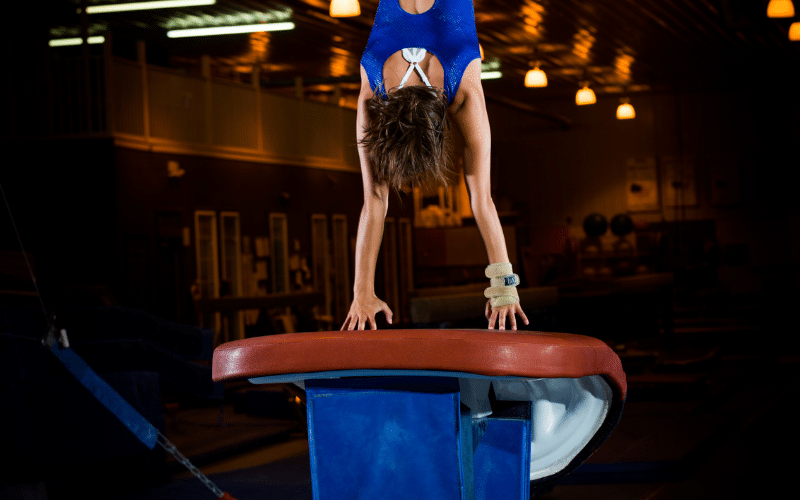
The vault table is essential for practicing explosive power and precision as gymnasts sprint towards it and use it as a platform for dynamic aerial vaults.
#5 Pommel Horse

The pommel horse is used in men's artistic gymnastics for continuous circular and pendulum motions requiring exceptional strength, control, and rhythm.
FC FUNCHEER Pommel Mushroom Trainer
Mushroom, two modes
- Typemushroom trainer, the step before a full pommel horse
- Basewooden base on a steel leg
- Tophigh density foam
- Modesfixed height, or the top alone set on the floor
- Assemblyno tools needed
#6 Rings

Rings are a male apparatus where gymnasts perform a series of strength and swing elements, challenging their stability, power, and control.
GHB Wooden Gym Rings
1.25 inch birch rings
- Ringsbirch wood, 1.25 inches thick
- Straps1.5 inches wide, with a numbered scale
- Bucklelocking buckle set against the numbered scale
- Includeddoor anchor, foot straps, grip tape and a carry bag
#7 First Aid Kit

A first aid kit is critical for immediate response to injuries and accidents. It should be well-stocked and readily available at all times during training and competitions.
#8 Video Analysis Equipment
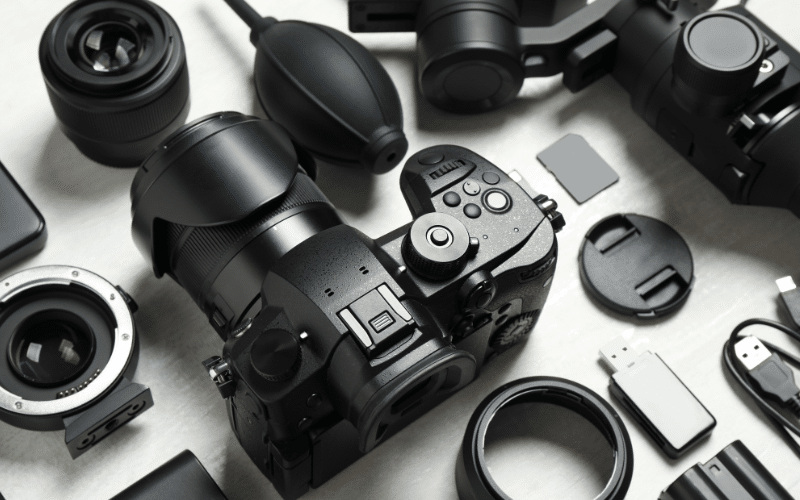
Video analysis equipment is used by coaches to review and refine gymnasts' technique and performance, offering slow-motion playback and the ability for athletes to learn from their own visual feedback.
Equipment for Facilities
#1 Gymnastics Hall

A gymnastics hall is a dedicated space that accommodates all the apparatuses and provides sufficient room for safe practice and competition, featuring high ceilings and specialized flooring.
#2 Competition Floor

The competition floor, also known as a spring floor, is used in both men’s and women’s gymnastics competitions for floor exercise routines that combine dance, tumbling, and acrobatics.
#3 Spring Floor
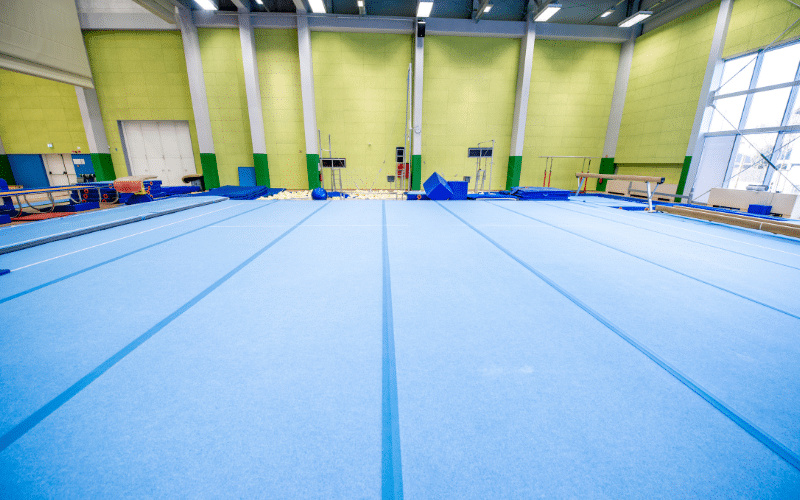
A spring floor provides a reactive surface that aids in boosting gymnasts' height during tumbling passes and minimizes impact upon landing, essential for practice and competition.
#4 Foam Pits
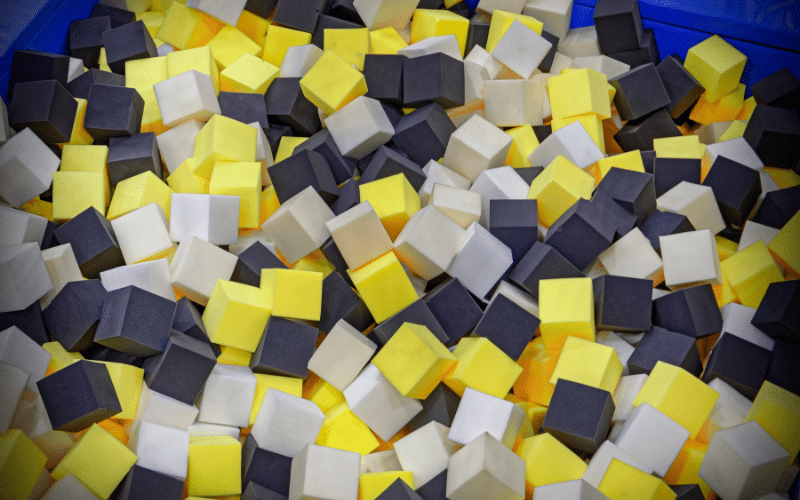
Foam pits are filled with soft foam blocks, offering a safe landing area where gymnasts can practice new skills without fear of harsh landings, thereby reducing the risk of injury.
#5 Trampolines

Trampolines are used for developing aerial skills and improving body awareness in the air, an indispensable tool for gymnasts across all disciplines.
#6 Seating for Spectators
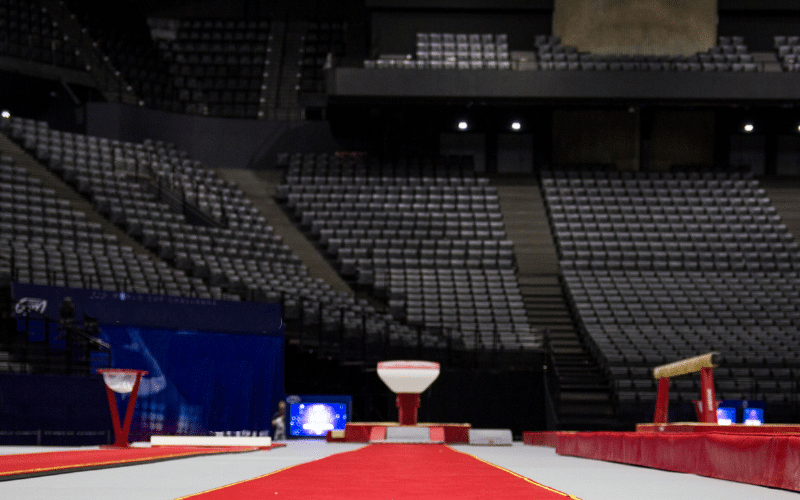
Spectator seating is an important aspect of gymnastics facilities, providing a space for audiences to view and support gymnasts during training sessions and competitions.
#7 Locker Rooms

Locker rooms are essential for gymnasts to store personal items, change into gear, and prepare mentally and physically for training or competition.
#8 PA System
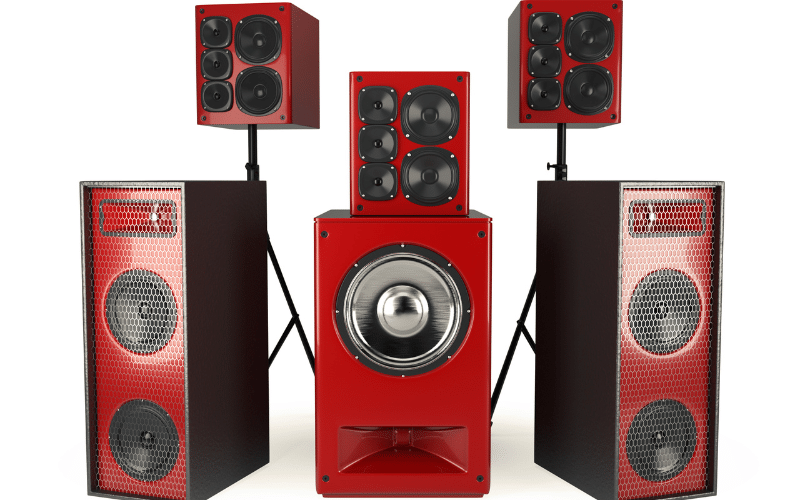
A PA system is used to announce gymnasts, play music for routines, give instructions, and facilitate communication during events, making it an important part of the gymnastics facility infrastructure.

FAQ
What is the equipment you need to play Gymnastics?
Mats, horizontal bars, balance beams, and vaulting tables are the equipment you need to play gymnastics. Safety gear such as wrist guards and grips are also essential.
What is the most important equipment in Gymnastics?
The balance beam and the floor mat are the most important equipment in gymnastics, as they provide the foundation for learning basic skills and ensuring safety.
What is a recommended list of Gymnastics equipment for beginners?
Here's a recommended list of Gymnastics equipment for beginners: a practice mat, a beginner balance beam, gymnastics shoes, and comfortable attire. This gear helps ensure safety and allows for skill progression.