Karate equipment list with all 13 items. A karateka needs four: the gi, a rank belt, mouthguard and sparring gear, plus optional hand and foot pads.
Karate is one of the cheapest sports to start, because a beginner needs exactly two things: a gi and the white belt that usually comes with it. Two more items follow once the club moves from kata to kumite, namely a mouthguard with sparring gear and, in some styles, hand and foot pads. The remaining nine items on this list belong to the instructor and to the dojo, from punching bags and timers to mats, mirrors and changing rooms.
- What equipment do you need for karate?
- A karate gi and a belt in the color of the current rank. As soon as sparring starts, a mouthguard and sparring gear are added, and many styles ask for hand and foot pads on top. Everything else on this list belongs to the dojo.
- What is the karate kit called?
- The uniform is the karategi, usually shortened to gi, and it is made up of the uwagi jacket, the zubon trousers and the obi belt. The training hall is the dojo, free sparring is kumite and the set forms are kata.
- What is traditional karate training equipment?
- The makiwara, a padded striking post anchored in the floor, is the oldest piece and is still used for conditioning the fist. Modern dojos add heavy bags, focus mitts and kicking shields, which allow the same practice against a moving target.
- What should a karate beginner buy first?
- A lightweight gi with a white belt, and nothing else. Most clubs lend the sparring gear for the first months, and buying pads before the style and the size are clear tends to waste the money.

Karate Equipment at a Glance
Four items are worn by the karateka, four are instructor gear, and five describe the dojo itself. The first block is the whole shopping list for a beginner.
| Item | What it does | Who supplies it |
|---|---|---|
| Karate giuniform | Jacket, trousers and belt cut wide enough for high kicks and deep stances | Karateka |
| Beltobi | Holds the jacket closed and shows the rank by its color | Karateka |
| Mouthguard and sparring gear | Headgear, gloves, chest and groin guard and a mouthguard for kumite | Karateka |
| Hand pads and foot padsoptional in many styles | Foam pads that soften a strike without blocking the technique | Karateka |
| Punching bags and mitts | Heavy bag for power, focus mitts for speed and timing | Instructor |
| First aid kit | Bruises, jammed fingers and the occasional nosebleed | Instructor |
| Scoreboards and timers | Times rounds in kumite and counts points in competition | Instructor |
| Educational materials | Kata charts, grading syllabus and style reference books | Instructor |
| Dojotraining space | Clear floor space so a full class can move without collisions | Facility |
| Mats or wooden floor | Traditional dojos use wood, mats are added where throws are practiced | Facility |
| Mirrors | Lets a student check stance and technique during kata practice | Facility |
| Equipment storage | Racks for bags, pads and shields between classes | Facility |
| Changing facilities | Rooms to change into the gi, since it is not street clothing | Facility |
Equipment for Karatekas
#1 Karate Gi (Uniform)
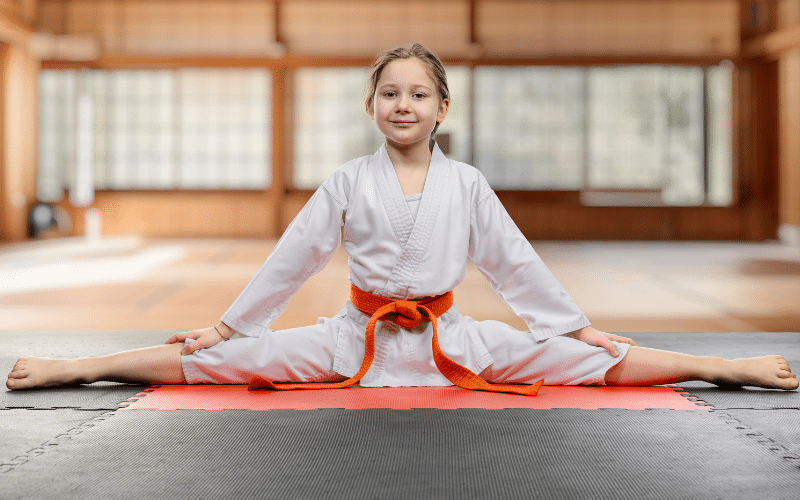
The Karate Gi is the traditional uniform that portrays respect for the art and discipline of Karate. Lightweight yet durable, it allows for fluid movement and stands up to rigorous training, while the white color symbolizes purity and dedication to the practice.
Hawk Sports Karate Gi
Belt included
- Fabricpoly-cotton, 220 GSM, 8 ounce weight
- Contentsjacket, trousers and a white belt
- LapelY-lapel, the standard karate cut
- Waistrope drawstring on the trousers
- Kneestrousers reinforced from ankle upward
- Sizeschild and adult
#2 Belt (Obi)

The belt represents the karateka's rank and progress, with different colors symbolizing the advancement of skill. It's an essential component of the Gi, showing the wearer's level of expertise and commitment to the martial art's journey.
FANBODTA White Martial Arts Belt
220 cm, double wrap
- Length220 cm, about 87 inch
- Coredouble-layered cotton with an inner felt
- Stitchingeight rows, reinforced ends
- Widthstandard dojo width
- Usekarate, judo, taekwondo and hapkido
#3 Mouthguard and Sparring Gear
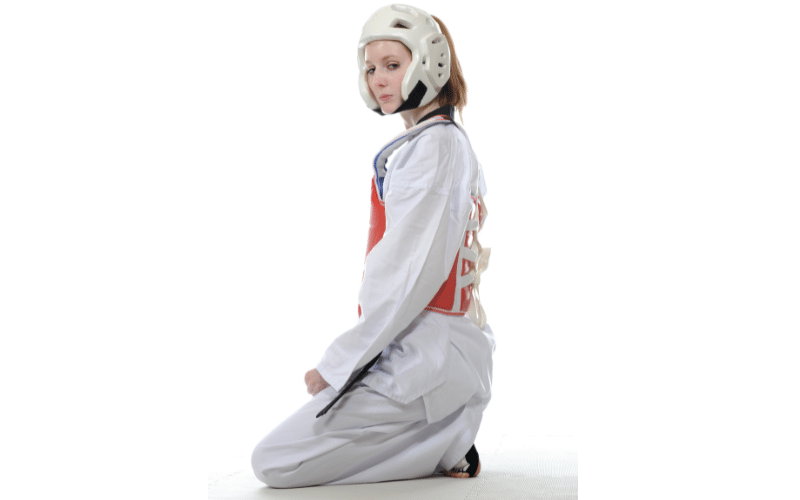
For kumite, or sparring, safety is important. A mouthguard protects from dental injuries, and sparring gear, including headgear and body protectors, safeguards against accidental strikes. This equipment enables practitioners to engage fully and fearlessly in combat practice.
LQDMAER Sparring Gear Set
Eight pieces
- Contentshead guard, chest guard, gloves, hand straps, shin and instep guards, groin guard and mouthguard
- Shellwear resistant PU leather
- Chest6 cm padding
- Headadjustable elastic top, covered temples and ears
- Sizesyouth and adult by height
#4 Hand Pads and Foot Pads
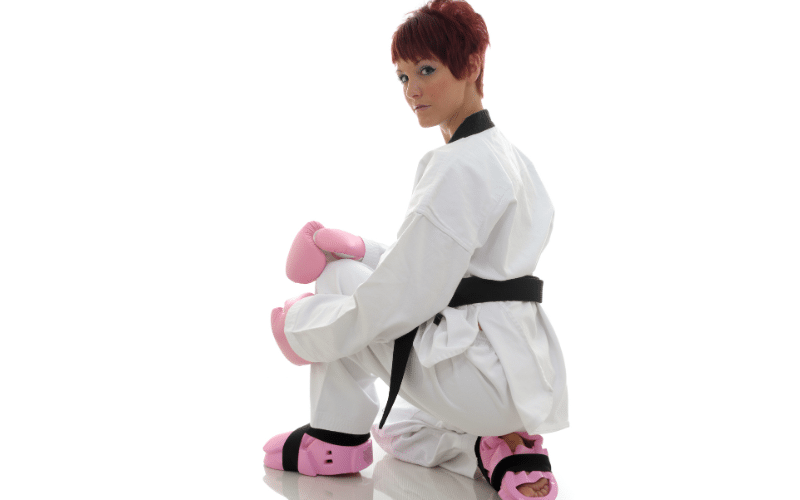
Hand and foot pads are optional but recommended for sparring. They provide protection for both the wearer and the opponent, minimizing the risk of bruises and injuries during kumite sessions, allowing karatekas to practice more confidently and safely.
AAMA Foam Kick Foot Protector
Point sparring
- Typefoam foot and instep guard
- Closureelasticized hook and loop band
- Coverageinstep and toes
- Sizeseight, from child small to adult XXL
- Usekarate point sparring, also taekwondo
Equipment for Coaches and Teams
#1 Punching Bags and Mitts
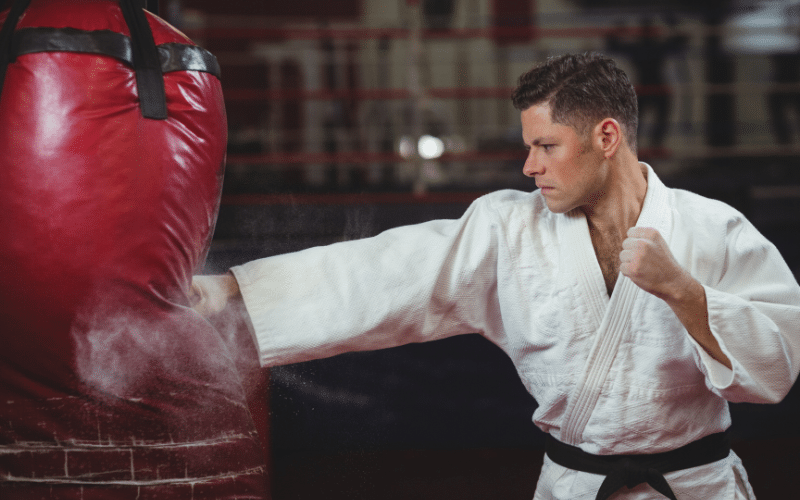
Punching bags and mitts are staples in karate training, allowing practitioners to hone their punching and kicking techniques. They absorb impact effectively and provide realistic resistance, essential for developing power, speed, and precision in striking skills.

- Weight80 lb
- ShellPVC
- Fillingsand and recycled cloth
- Fittingsdouble-reinforced D-ring with nylon straps
- Mountingceiling, beam or a bag stand
- Extrabottom tie-down strap
#2 First Aid Kit
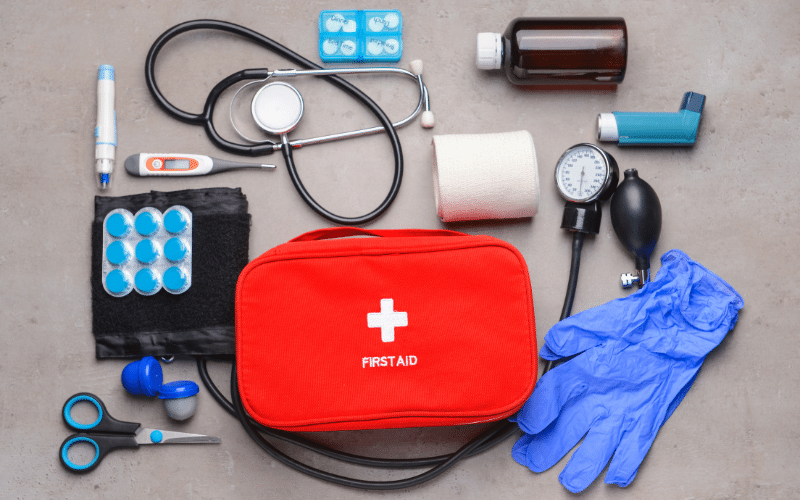
A well-stocked first aid kit is imperative for coaches to ensure the safety and welfare of karate practitioners. It prepares teams to promptly address injuries such as cuts, bruises, or strains that may occur during intense training and sparring sessions.
#3 Scoreboards and Timers

Scoreboards and timers are a necessity during karate matches to keep track of scores and time remaining in rounds. They maintain the flow of the competition and provide clarity for competitors, judges, and the audience, enhancing the structure and professionalism of the event.
#4 Educational Materials

Educational materials, including books and videos on katas and techniques, are crucial for coaches to effectively teach karate. They serve as reference tools to demonstrate proper form and execution, enriching the learning experience and ensuring consistent training methodology.
Equipment for Facilities
#1 Dojo (training space) with Adequate Floor Space
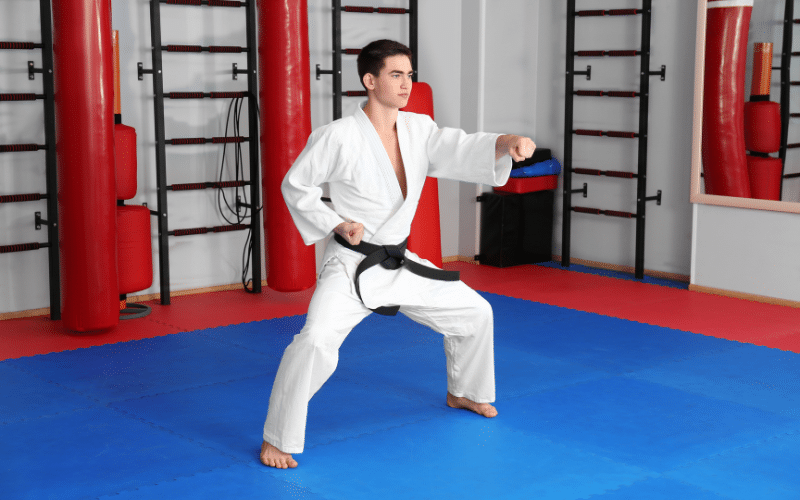
A dojo provides practitioners with a dedicated space to refine their skills, follow traditions, and honor the martial art. The adequate floor space is crucial for safe movement, allowing individuals to perform kata and sparring without constraints, thereby preserving the integrity of karate practice.
#2 Mats or Traditional Wooden Floor
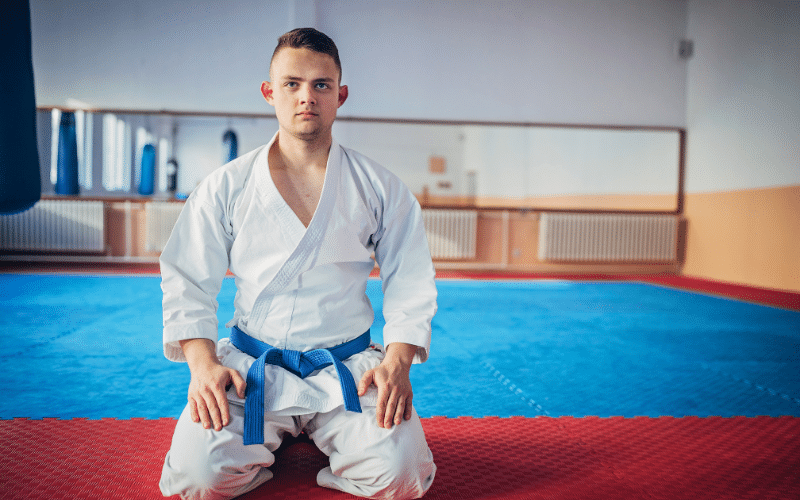
Mats or a traditional wooden floor absorb impact and provide a stable surface, reducing the risk of injury during falls and takedowns. They are vital for practitioners to safely execute karate techniques and movements, especially when engaging in rigorous kumite or practicing advanced kata.
#3 Mirrors (for form practice)

Mirrors are essential in a karate dojo for practitioners to observe and correct their form. They provide immediate visual feedback, facilitating self-correction of stance, technique, and posture during kata practice, which is imperative for personal development and mastery of the art.
#4 Equipment Storage
Proper equipment storage helps maintain an organized and safe training environment. It ensures that gear such as sparring equipment, targets, and training aids are readily accessible when needed and safely stowed away to prevent clutter and accidents in the dojo.
#5 Changing Facilities
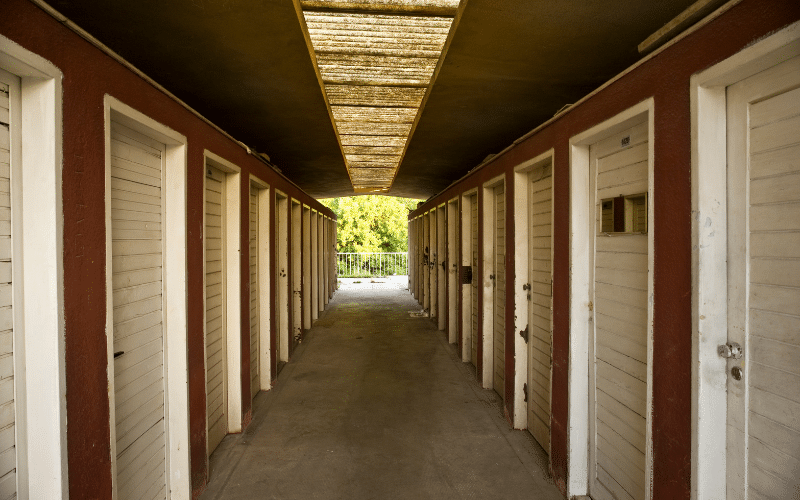
Changing facilities provide a private and secure area for practitioners to change before and after training. This convenience supports personal hygiene, encourages participation, and respects the tradition of wearing a clean and appropriate gi for each practice, contributing to the disciplined atmosphere of karate.
Understanding the proper equipment can also help in preventing common karate injuries, which is crucial for every practitioner.

FAQ
What is the equipment you need to play Karate?
A gi, which is the traditional Karate uniform, and a belt are the equipment you need to play Karate. These are essential for all participants for practice and competition.
What is the most important equipment in Karate?
The gi, or Karate uniform, is the most important equipment in Karate because it allows for free movement and symbolizes the art's tradition and discipline.
What is a recommended list of Karate equipment for beginners?
Here's a recommended list of Karate equipment for beginners: a lightweight gi, a white belt (for those starting out), and mouthguard. These items provide comfort and protection during initial training.