Skeet shooting equipment list with all 19 items: shotgun, ammunition to event rules, ear protection, eye protection, a shooting vest, cap and water.
Seven items belong to the shooter, and three of them are not optional anywhere: a shotgun, ear protection and eye protection, without which no range will let you on a station. Six more are what a club or a coach brings, above all the clays and the machines that throw them, and six describe the field itself, from the eight stations to the high house and low house. The table below lists all nineteen with what each one does and who supplies it.
- What equipment do you need for skeet shooting?
- A shotgun, shells in the gauge and load the rules allow, ear protection, eye protection and a vest or pouch to carry shells. The club supplies the clays, the machines and the field.
- What is the most important piece of skeet equipment?
- The shotgun, but ear and eye protection come with it as a set. A skeet gun is usually a 12 gauge over and under or semi automatic with open chokes, because the targets are close.
- What do beginners need to start skeet shooting?
- Muffs, glasses and a borrowed gun. Most clubs rent a shotgun and sell shells at the counter, so the first purchase is normally the hearing protection, then the vest.
- What ammunition is used in skeet shooting?
- Light target loads with small shot, typically 7.5, 8 or 9 shot, and competition rules cap the shot weight. Field and hunting loads are not allowed on a skeet field.

Skeet Shooting Equipment at a Glance
Seven items travel with the shooter and fit in one bag beside the gun case. Six belong to a coach or a squad, and six are part of the range, which is what the round fee pays for.
| Item | What it does | Who supplies it |
|---|---|---|
| Shotgunover and under or semi automatic | Fires the shot pattern that breaks the clay, open chokes for close targets | Player |
| Ammunitionlight target loads | Shot size and load are set by the rules of the event | Player |
| Ear protection | A 12 gauge shot is loud enough to damage hearing permanently | Player |
| Eye protection | Guards against fragments of clay and stray shot, tinted lenses lift the target | Player |
| Shooting vest or pouch | Holds shells within reach and pads the shoulder against recoil | Player |
| Hat or cap | Keeps the sun and falling clay fragments out of the face | Player |
| Water bottle | A full round is an hour outdoors with no shade | Player |
| Clay pigeons | The target, 110 mm standard, thrown at a fixed speed and line | Coach |
| Launchershigh house and low house machines | Throws the clay on the prescribed path for each station | Coach |
| Scorecards | 25 targets per round, marked hit or lost as they are called | Coach |
| First aid kit | Bruises, cuts from fragments and hearing incidents | Coach |
| Safety briefing materials | Range rules read out before anyone loads a gun | Coach |
| Team uniforms | Identifies a squad at a registered shoot | Coach |
| Skeet field with stations | Eight stations on a semicircle, all shots along set lines | Facility |
| High house and low house | The two towers, one throwing from about 10 feet, one from 3.5 feet | Facility |
| Spectator seating | Set back behind the stations, out of the arc of fire | Facility |
| Safety signs and information | Marks the firing line, the muzzle rules and the hearing zone | Facility |
| Clubhouse | Registration, shell sales and shelter between rounds | Facility |
| Equipment storage | Gun racks, clay stores and the machines when not in use | Facility |
Equipment for Skeet Shooters
#1 Shotgun
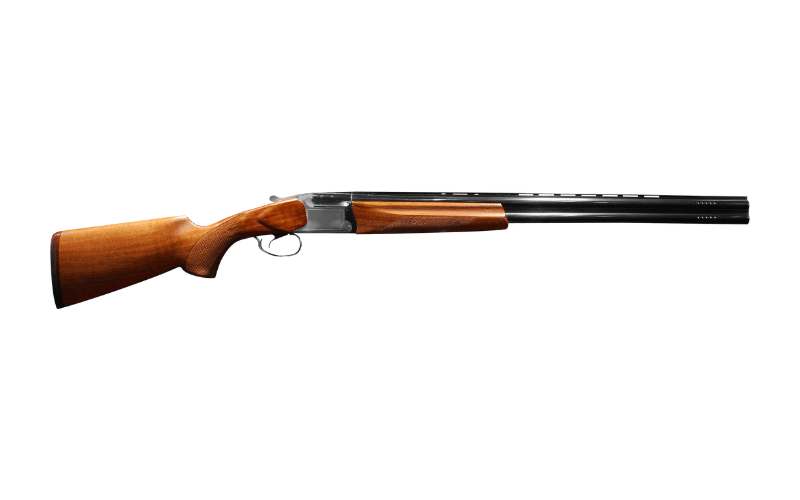
The shotgun is fundamental for skeet shooting, as it is specifically tailored for targeting and hitting clay pigeons mid-flight. Its design and features, such as barrel length and choke, are selected to maximize accuracy and success in the sport.
#2 Ammunition

Specific ammunition is required to meet event rules, ensuring safety and fairness in competition. Quality ammunition contributes to the consistency and accuracy of shots, which is essential for the sport of skeet shooting.
#3 Ear Protection

Ear protection is vital for shooters to safeguard their hearing from the loud blasts of shotguns. Consistent exposure to such noise levels can cause long-term hearing damage, making hearing protection a non-negotiable piece of gear.
Walker's Razor Slim Electronic Muff
Electronic muffs, slim cups
- Typeelectronic, cuts the shot and passes speech through
- Microphonestwo hi-gain, omnidirectional hearing
- Profileextra slim cups, clears the gun stock
- Shellrubberized composite housing
- Controlsexternal volume knob, audio input jack
#4 Eye Protection
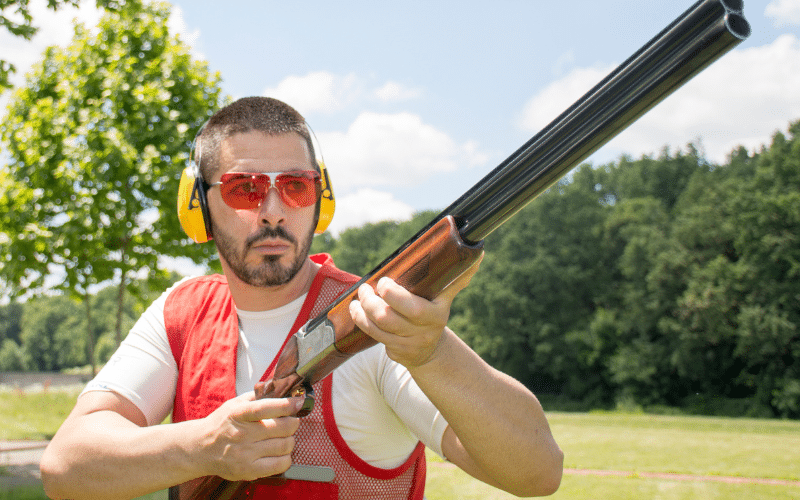
Eye protection shields the shooter's vision from potential hazards, including flying debris and fragmented clay pigeons. It also ensures clear visibility in various lighting conditions, which is crucial for accurate targeting and safety.
Smith & Wesson M&P Harrier
Four lens shooting set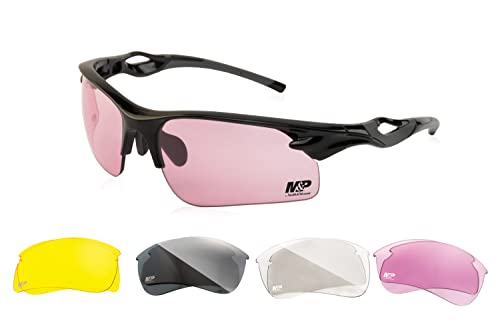
- Lenses4, smoke, clear mirror, vermillion and amber
- Changeone touch pop out, no bending of the frame
- RatingANSI Z87+ impact resistant, UV400
- Coatinganti fog
- Includedhard zippered case and microfiber cloth
#5 Shooting Vest or Pouch

A shooting vest or pouch is essential for carrying extra shells conveniently and allows for quick reloading. It also provides additional padding to absorb recoil and protect the shooter's shoulder.
Allen Ace Shooting Range Vest
Vest with shoulder pad
- Shoulder padmoveable, for right and left handed shooters
- Pocketstwo large front pouches for shells and glasses
- Fitside straps hold the vest in place
- Backmesh, poly cotton blend body
- Sizesmedium to large and XL to 2XL
#6 Hat or Cap

A hat or cap offers protection from the sun's glare, which can impede the shooter’s vision and accuracy. It helps to keep the shooter comfortable in the outdoors, focusing on the targets rather than the elements.
#7 Water Bottle
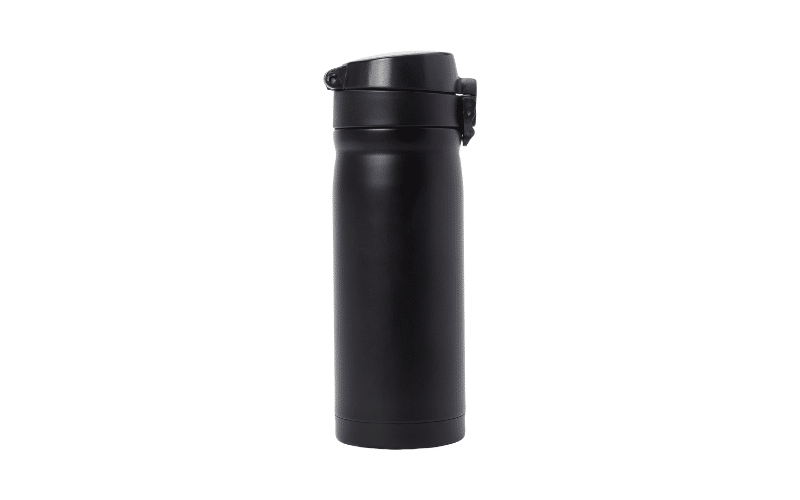
Staying hydrated is key for maintaining focus and performance during skeet shooting. A water bottle enables shooters to easily maintain fluid intake, especially during long days on the range.
Equipment for Coaches and Teams
#1 Clay Pigeons

Clay pigeons are critical for skeet shooting, emulating the flight of game birds. Their use is essential for practice sessions and competitions, allowing shooters to hone their accuracy and timing.
Silipull Biodegradable Clay Targets
100 standard clays
- Quantity100 targets
- Size110 mm standard, 4.33 inches wide and 0.98 inches high
- Materialnatural clay, biodegradable and non toxic
- Colorhigh visibility orange
- Machinesmanual and automatic throwers
#2 Launchers

Launchers are pivotal in skeet shooting, providing consistent and adjustable trajectories for clay pigeons. They are indispensable for proper training and fair competition, ensuring each clay target is thrown with precision.
VEVOR Clay Pigeon Thrower 50
Automatic foot pedal launcher
- Capacityup to 50 clays loaded
- Rangeover 55 yards
- Triggerfoot pedal on a 9.84 ft cord, one launch every 2 seconds
- Angleadjustable knob sets height and distance
- Buildcarbon steel and aluminum, two spike legs and a ground stake
#3 Scorecards
Scorecards are vital for tracking the performance of shooters. They provide a clear and organized way to record hits and misses, crucial for assessing skill levels and determining competition winners.
#4 First Aid Kit

A first aid kit is essential safety equipment, poised to address accidents or medical issues. It ensures immediate care for injuries, promoting well-being and swift recovery for participants.
#5 Safety Briefing Materials
Safety briefing materials are foundational for educating shooters and ensuring the safe handling of firearms. They provide guidelines and procedures, fostering a secure environment for everyone involved in the sport.
#6 Team Uniforms

Team uniforms are essential for fostering a sense of unity and professionalism within a club. They help in identifying members and promoting a team’s brand during events and competitions.
Equipment for Facilities
#1 Skeet Shooting Range with Stations

A Skeet Shooting Range with well-defined stations provides the standard layout for participants to engage in this precision sport. The arrangement of the stations in a semi-circle around the high and low houses is crucial for the order and flow of the competition, offering varied angles and trajectories for the clay targets.
#2 High House and Low House
The High House and Low House are pivotal structures within a skeet range, from which clay pigeons are launched. The high house releases targets from a higher elevation, while the low house releases them from a lower point, creating a diverse range of target paths that test a shooter's agility and accuracy.
#3 Seating for Spectators
Providing seating for spectators is integral to any sporting facility. It ensures that viewers can watch the events comfortably and safely, fostering an enjoyable and social atmosphere. This enhances the experience for visitors and can increase participation and interest in the sport.
#4 Safety Signs and Information
Safety signs and clear, visible information are critical in a shooting environment to ensure the wellbeing of all participants and spectators. They provide guidance on safe practices and alert individuals to areas where special precautions are needed, upholding the facility's commitment to safety.
#5 Clubhouse
A clubhouse acts as a central hub for participants to gather, discuss strategy, and relax between rounds. It facilitates social interaction, provides a space for meetings and refreshments, and may also house additional amenities, such as restrooms or a pro shop, making it a fundamental feature for a comprehensive facility.
#6 Equipment Storage
An area designated for equipment storage helps maintain an organized and efficient facility. This space safely houses firearms, ammunition, maintenance gear, and other essentials when not in use, protecting valuable resources from the elements and potential damage while also promoting a clutter-free environment.

FAQ
What is the equipment you need to play Skeet Shooting?
A shotgun, ammunition, ear and eye protection, and clay targets are the equipment you need to play Skeet Shooting. These items are essential for a safe and proper shooting experience.
What is the most important equipment in Skeet Shooting?
The shotgun is the most important equipment in Skeet Shooting as it is the primary tool used to aim at and hit the clay targets in the sport.
What is a recommended list of Skeet Shooting equipment for beginners?
Here's a recommended list of Skeet Shooting equipment for beginners: an over-under or semi-automatic shotgun, target load shotgun shells, shooting glasses, ear protection, and a shooting vest or pouch for shells. These items will help newcomers get started with the basics of the sport.