Paddleboarding equipment list with all 19 items: the SUP board, paddle, leash, PFD, wetsuit or drysuit, water shoes, dry bag and sun protection.
Nine of those belong to the paddler. Five are instructor gear such as spare PFDs, a repair kit and an anchor system, and five describe the launch site, from calm water access and a dock to board racks and changing rooms. The table below lists all nineteen with the purpose of each one.
- What equipment do you need for paddleboarding?
- A board, a paddle, an ankle leash and a personal flotation device. Everything after that, from a wetsuit to a dry bag, depends on the water temperature and how far you go out.
- What do beginners need to start?
- A wide stable board around 10 feet 6 inches long, an adjustable paddle, a coiled leash and a belt pack PFD. A rental center hands out the same four items, which is why the first session costs nothing to equip.
- Do you need a life jacket on a paddleboard?
- Yes. The Coast Guard treats a paddleboard used outside a surfing or swimming area as a vessel, so an approved flotation device has to be carried. Most paddlers wear a belt pack because it stays out of the stroke.
- What does the launch site provide?
- Calm water such as a lake, a bay or a slow river, a dock or shore launch, racks to store the boards, changing rooms with lockers and often a rental counter.

Paddleboarding Equipment at a Glance
Nine items are the paddler's own, five belong to the instructor, and five are part of the launch site. Everything a beginner has to buy or rent sits in the first block.
| Item | What it does | Who supplies it |
|---|---|---|
| Stand up paddleboardinflatable or hard board | The platform you stand on, wider boards trade speed for stability | Player |
| Paddleadjustable length | Drives and steers the board, set to roughly your height plus 8 inches | Player |
| Leashcoiled, ankle or calf | Keeps the board within reach after a fall, wind moves an empty board faster than you can swim | Player |
| Personal flotation device | Required by the Coast Guard outside surfing and swimming areas | Player |
| Wetsuit or drysuitby water temperature | Holds body heat in cold water, where the danger is the temperature and not the distance | Player |
| Water shoesoptional | Protects the feet on the walk in over rock, shell and slipway | Player |
| Waterproof bag | Keeps phone, keys and a dry layer usable when the board goes over | Player |
| Sun protectionhat, sunscreen, sunglasses | Open water reflects the sun back up at you for the whole session | Player |
| Water bottle | A tour lasts hours with no place to stop and refill | Player |
| Safety equipmentspare PFDs, first aid | What the instructor carries for the people who forgot theirs | Coach |
| Repair kit | Patches a punctured inflatable at the water instead of ending the class | Coach |
| Instructional materials | Stroke sequences and safety briefings for a group lesson | Coach |
| Anchor system | Holds boards in one spot for SUP yoga and fitness classes | Coach |
| Megaphoneor waterproof radio | Carries an instruction across open water and wind | Coach |
| Calm water accesslake, bay or slow river | Flat water is the condition a first lesson needs | Facility |
| Dock or launching area | A stable place to get on and off without dragging the board | Facility |
| Storage racks for boards | Keeps boards off the ground and out of the sun between sessions | Facility |
| Rental center | Board, paddle, leash and PFD for anyone who owns nothing yet | Facility |
| Changing rooms and lockers | Somewhere to get out of a wet suit and leave a wallet | Facility |
Equipment for Paddleboarders
#1 Stand Up Paddleboard (SUP)
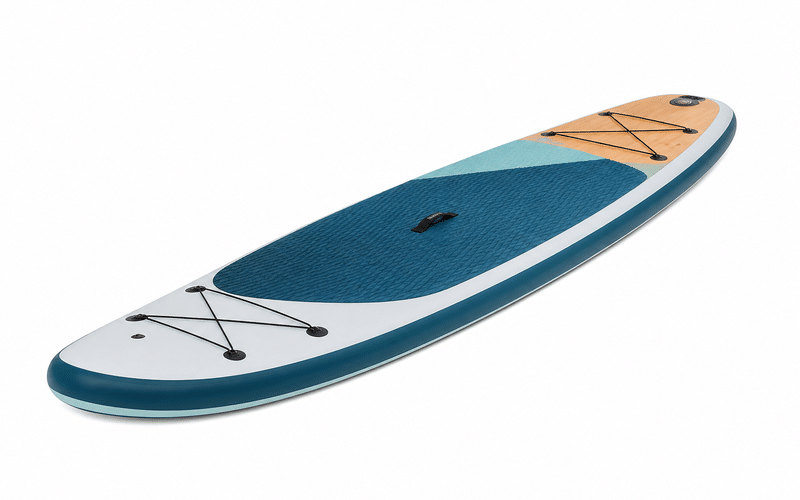
The stand-up paddleboard is the foundation of the sport, providing the platform on which paddlers stand or kneel. There are various SUP designs catering to different activities such as racing, touring, and yoga, making the selection of the right board crucial for the intended use.
FunWater Inflatable SUP
Complete beginner package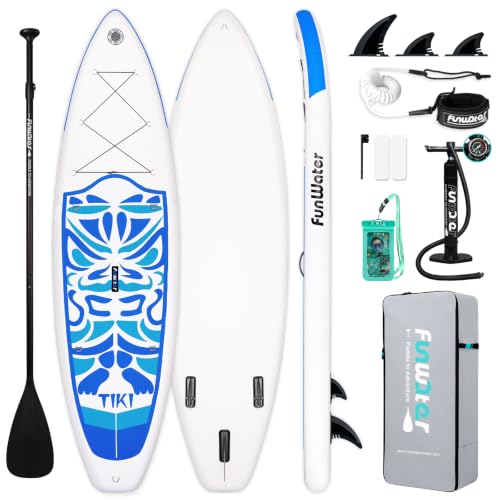
- Size10 feet 6 inches long, 33 inches wide, 6 inches thick
- Weight17.6 pounds
- Capacityup to 400 pounds
- Constructiondual layer PVC with reinforced rails
- Includedboard, pump, adjustable aluminum paddle, coil leash, waterproof bag, backpack, 3 removable fins
#2 Paddle
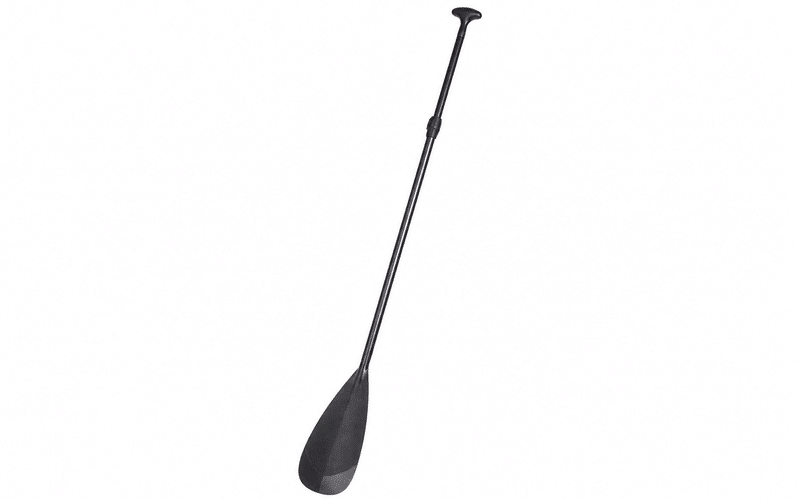
A paddle is vital for maneuvering and propelling the SUP across water surfaces. Paddles come in adjustable lengths and materials like aluminum, fiberglass, or carbon fiber, offering a balance between durability and weight for optimal performance.
Abahub Carbon SUP Paddle
Three-piece carbon shaft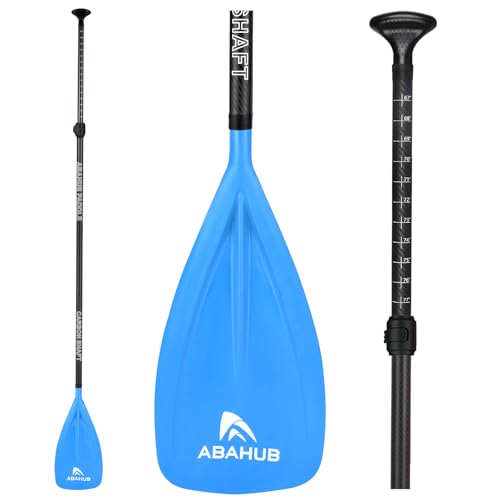
- Shaftcarbon composite, splits into 3 sections
- Bladefiberglass reinforced polypropylene, 102 square inches
- Lengthadjustable from 67 to 86 inches
- Weightabout 30.5 ounces
- Floatsyes, once fully assembled
- Includedtravel bag
#3 Leash
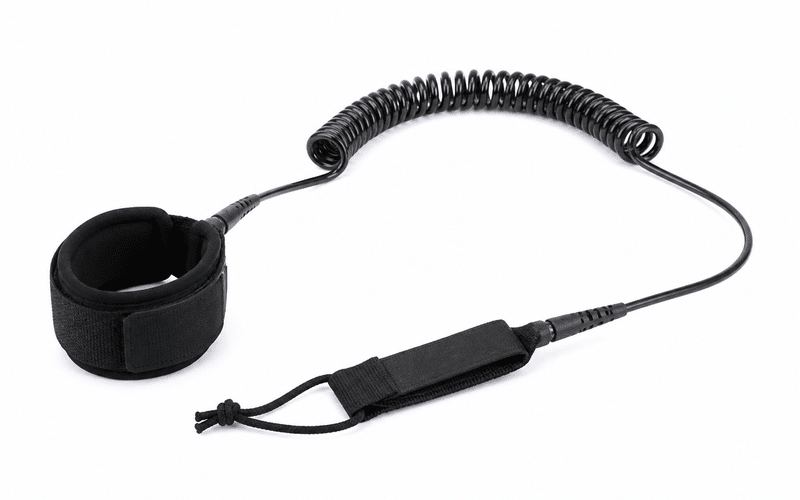
The leash keeps paddlers tethered to their SUP, which is a safety essential, especially in the event of a fall. It prevents the board from drifting away, ensuring that paddlers can easily get back on their board and continue their activity.
Abahub Coil SUP Leash
Ten feet, coiled
- Length10 feet, coiled
- Cord7mm TPU
- Swivelstwo corrosion resistant steel swivels against tangling
- Cuffneoprene ankle cuff, 2.4 inches wide, quick release tab
- Rail savertriple wrapped nylon
#4 Personal Flotation Device (PFD)
A personal flotation device is a critical safety item that should be worn at all times while paddleboarding. It can be a life-saving piece of equipment, providing buoyancy to keep paddlers afloat during an unexpected fall into water.
BLUESTORM Cirro 16
Belt pack, USCG approved
- ApprovalUSCG approved Type V with Type III performance
- Buoyancy16.5 pounds from the CO2 cylinder
- Inflationmanual pull cord with a backup oral tube
- Fituniversal, 30 to 52 inch chest
- Wornat the waist, clear of the paddle stroke
#5 Wetsuit or Drysuit

Wetsuits and drysuits are designed to provide thermal insulation and protect against hypothermia, making them essential in cold water conditions. They also afford some protection from sunburn and abrasions and help improve buoyancy.
Lemorecn 3/2mm Wetsuit
Back zip, full length
- Thickness3/2mm neoprene, 3mm across the chest
- Waterrated from roughly 55 degrees Fahrenheit upward
- Entryback zip with a long pull cord and a glide skin neck seal
- Kneesanti-abrasion knee panels
- SunUV 50 protection
#6 Water Shoes (optional)

Water shoes protect your feet from sharp rocks, shells and provide traction on slippery surfaces. They are optional but highly recommended for additional safety and comfort, especially when entering or exiting the water.
SEEKWAY Water Shoes
Toe cap and drainage
- Solethick rubber with a toe cap and non-slip tread
- Upperspandex with air holes
- Drainageholes through outsole and insole
- Fitelastic vamp, pulls on like a sock
- Usebeach, river, pool and boat
#7 Waterproof Bag
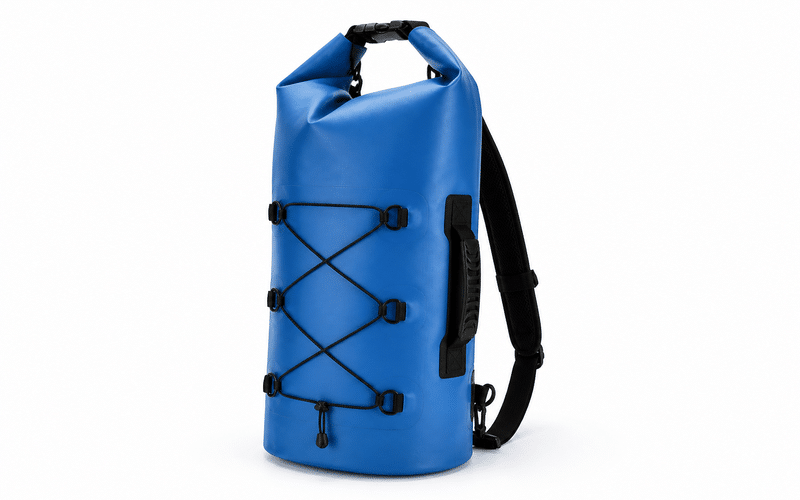
A waterproof bag safeguards personal items such as phones, keys, and wallets from water damage while paddleboarding. It’s critical for those who are planning a long excursion or need to keep essential items with them on the water.
Earth Pak 20L Dry Bag
Roll top, 20 liters
- Volume20 liters
- Material500D PVC, abrasion resistant
- Closureroll top seal
- Carryshoulder strap adjustable from 24 to 42 inches
- IncludedIPX8 phone case for phones up to 6.5 inches
#8 Sun Protection
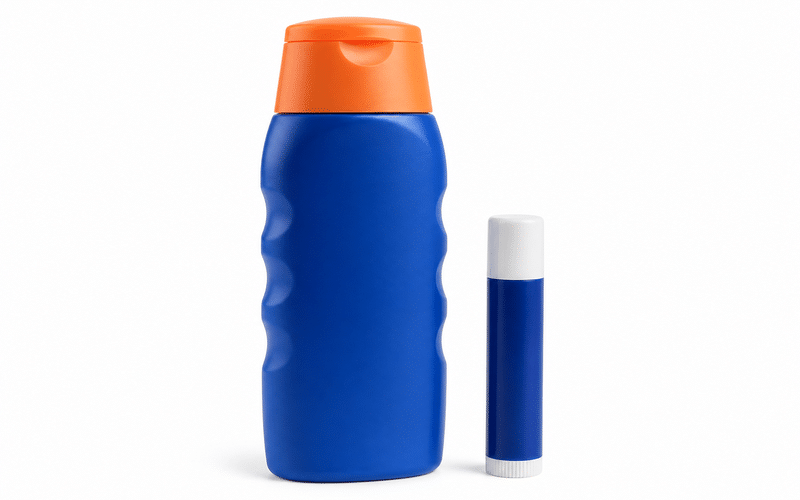
Sun protection, including a hat, sunscreen, and sunglasses, is essential for paddleboarders to shield skin and eyes from harmful UV rays. Long hours on reflective water intensify sun exposure, making these items crucial for health and comfort.
#9 Water Bottle
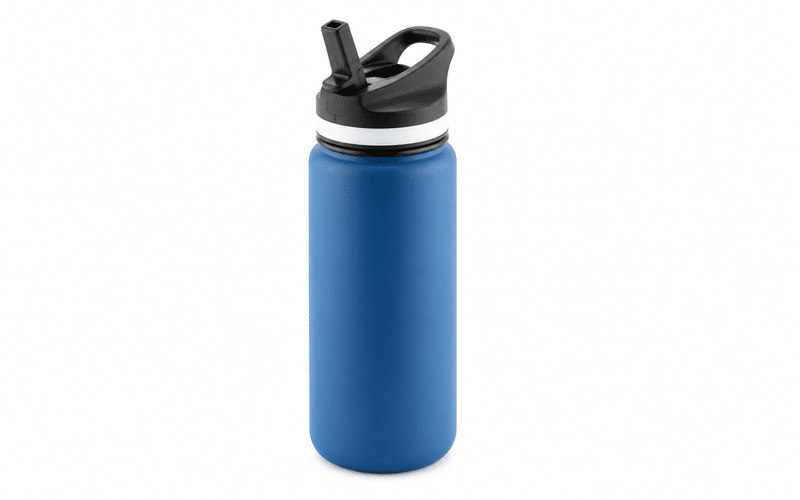
Hydration is key to maintaining stamina and alertness when paddleboarding. A water bottle helps ensure that participants stay hydrated, which is especially important during physical exertion and exposure to the sun for extended periods.
Equipment for Coaches and Teams
#1 Safety Equipment
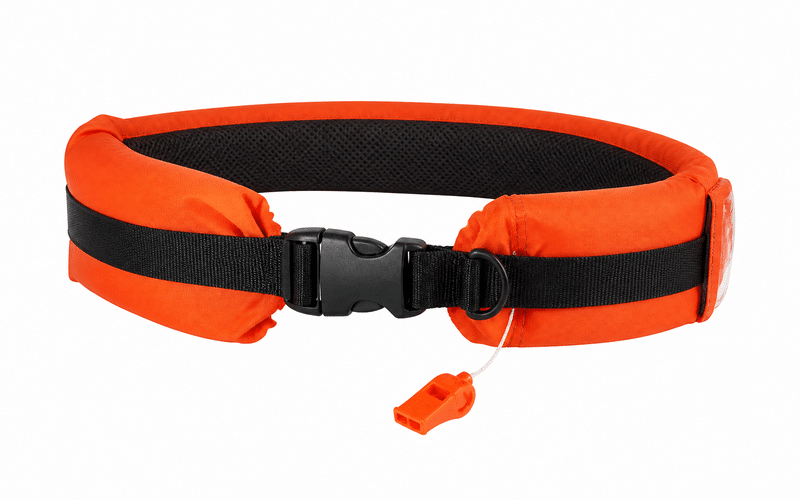
Safety equipment, including extra personal flotation devices (PFDs) and a comprehensive first aid kit, is crucial for instructors to ensure the well-being of participants. Preparedness for emergencies is key to building trust and maintaining a safe learning environment during paddleboarding sessions.
#2 Repair Kit
A repair kit is essential for addressing unexpected damage to boards and paddles, ensuring that classes and activities are not interrupted. Quick fixes to minor issues can greatly increase the longevity of the equipment and reduce downtime in paddleboarding sessions.
JLF iSUP Repair Kit
Cement, patches and valve wrench
- Adhesive1 ounce tube of HH-66 vinyl cement
- Patches5 pieces of thick PVC raft material, 3 by 6 inches, rounded edges
- Colorswhite, grey, clear, blue and red
- Tool6 prong valve wrench
- Check firstyour valve must have 6 prongs, not 8
#3 Instructional Materials

Instructional materials are vital tools for coaches to effectively convey paddleboarding techniques and safety protocols. These resources aid in delivering structured, quality instruction and provide participants with clear guidance for skill development.
#4 Anchor System
An anchor system is indispensable for paddleboarding instructors who conduct yoga or fitness classes on the water. It stabilizes boards in a designated area, providing a safe and controlled environment conducive to balance and concentration for all participants.
CHERAINTI Anchor Kit
Folding grapnel with buoy
- Anchor3.5 pound folding grapnel, four prongs
- Rope40 feet of 6mm marine rope
- Markeryellow buoy so the drop point stays findable
- Packedfolds to 12 by 3 inches, drawstring bag included
- Holds insand, mud, weed, gravel and rock
#5 Megaphone or Waterproof Communication Device

A megaphone or waterproof communication device is key for instructors to clearly communicate with participants over the sound of the water and potential distance. This equipment is crucial to efficiently manage a class, convey instructions, and ensure the safety of everyone involved.
Equipment for Facilities
#1 Calm Water Access
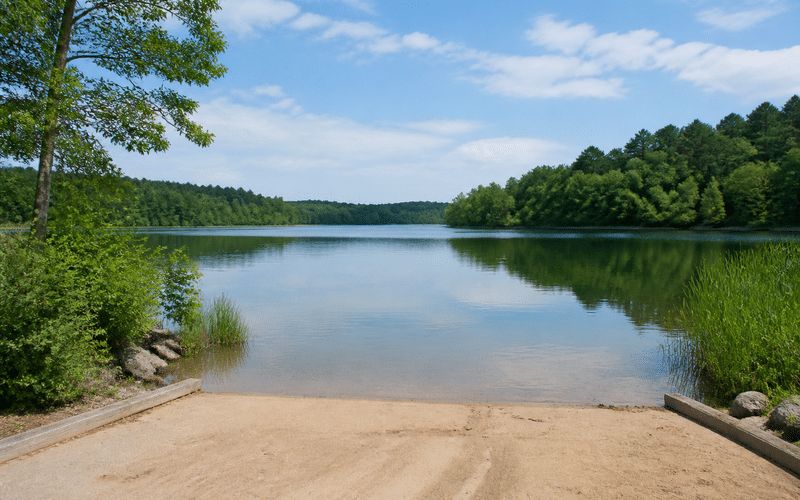
Calm water access is crucial for safe and enjoyable paddleboarding. It provides a stable environment for beginners to learn and for experienced paddlers to practice or conduct fitness classes. Ideal conditions include lakes, bays, or slow-moving rivers that cater to the various activities associated with paddleboarding.
#2 Dock or Launching Area
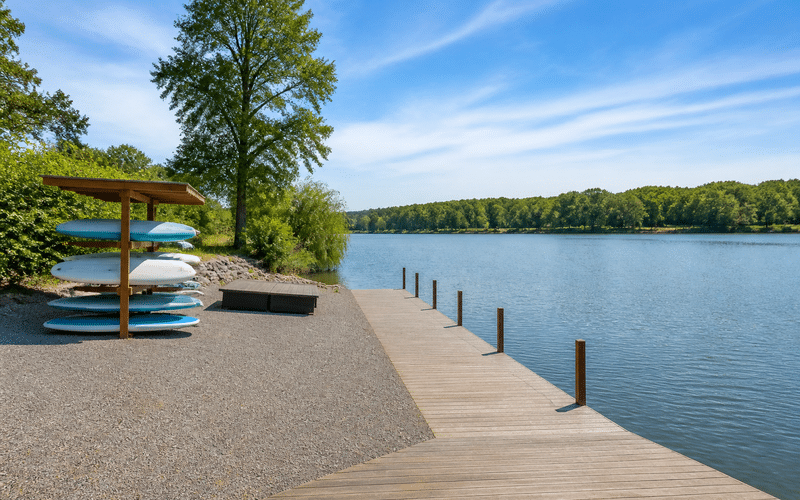
A dedicated dock or launching area is essential for ease of access to the water. It offers paddlers a safe and stable platform for entering and exiting the water, minimizing the risk of accidents. A well-designed launching area can accommodate multiple users and enhance the overall paddleboarding experience.
#3 Storage Racks for Boards
Storage racks for boards protect and organize equipment when not in use. By keeping paddleboards secure and off the ground, facilities prolong the life of the equipment and provide a tidy and professional environment. These racks also facilitate easy access and inventory management for both personal and rental boards.
#4 Rental Center
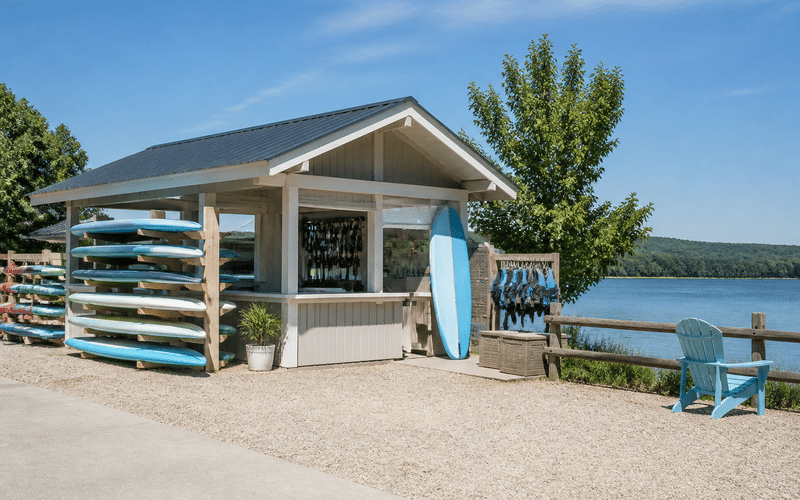
A rental center serves as a hub for equipment and safety gear, catering to paddleboarders who may not own their gear. It ensures that all participants have access to the necessary equipment, making the sport more inclusive and allowing facilities to support a wider range of users.
#5 Changing Rooms and Lockers
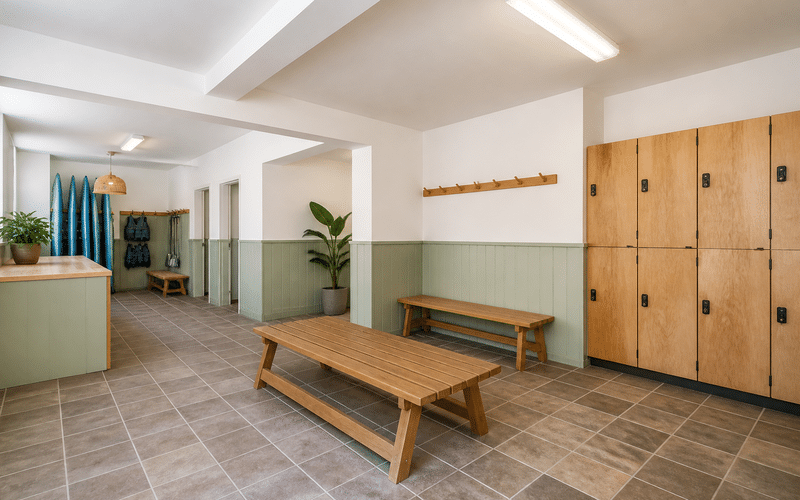
Changing rooms and lockers offer convenience and security for paddlers. They provide a private space for users to change into appropriate water gear and store personal belongings safely. This facility contributes to a comfortable and worry-free paddleboarding experience, encouraging repeat visits to the site.

FAQ
What is the equipment you need to play Paddleboarding?
A paddleboard, paddle, leash, and personal flotation device (PFD) are the equipment you need to play paddleboarding. These items provide the basics to get on the water safely.
What is the most important equipment in Paddleboarding?
The paddleboard itself is the most important equipment in paddleboarding, as it is the platform that supports you while on the water.
What is a recommended list of Paddleboarding equipment for beginners?
Here's a recommended list of paddleboarding equipment for beginners: a stable paddleboard, adjustable paddle, PFD, leash, proper attire for conditions, sunscreen, and a water bottle to stay hydrated.