Cycling equipment list with all 21 items: bicycle, helmet, padded shorts, jersey, cycling shoes, gloves, bottles, repair kit and a GPS computer.
Nine of the twenty-one items belong to the rider, and the first three of them cover a first season: a bike, a helmet and padded shorts. Five belong to teams, among them a team vehicle, radios and nutrition supplies, and seven describe the venues, from a velodrome and BMX track to mountain bike trails, road courses, bike racks and repair stations. The table below lists all of them with the purpose of each one.
- What equipment do you need for cycling?
- A bike, a helmet and padded shorts, plus two bottle cages and a repair kit before the first ride that leaves town. Shoes, gloves, sunglasses and a bike computer come later.
- What should a beginner cyclist buy first?
- The bike, then a helmet, then padded shorts. Those three change every ride, while clipless shoes and a computer only make sense once the rides get long.
- What is in a bike repair kit?
- A spare tube, two tire levers, a mini pump or a CO2 head, patches and a multitool with hex keys. That covers a puncture and a loose bolt, which are the two things that end a ride.
- What clothing do cyclists wear?
- A jersey with rear pockets and shorts with a padded insert, worn without underwear. Long rides add arm warmers, a wind shell and gloves.

Cycling Equipment at a Glance
Nine items are the rider's own, five belong to the team, and seven are the venues that cycling is raced on. The team block is road racing specific, because a support car and race radios only appear once there is a peloton.
| Item | What it does | Who supplies it |
|---|---|---|
| Bicycle | Road, mountain, track or BMX, each built for its own surface | Player |
| Helmet | Required in racing, certified to CPSC in the United States | Player |
| Cycling clothesjersey, padded shorts | Rear pockets for food, a chamois pad against saddle soreness | Player |
| Cycling shoes | Stiff sole and a cleat that locks the foot to the pedal | Player |
| Gloves | Padding under the palm and skin cover in a fall | Player |
| Sunglasses | Keep wind, grit and insects out of the eyes at speed | Player |
| Water bottles | Two cages on the frame, refilled on any ride over an hour | Player |
| Repair kittubes, levers, pump | A puncture ends the ride unless the tube can be swapped | Player |
| GPS device or bike computer | Route, distance, speed and the ride file for later | Player |
| Team vehiclesfor road cycling | Carries spare wheels, bikes and the director behind the race | Coach |
| Radios | Race radio between director and riders on tactics and hazards | Coach |
| Nutrition supplies | Bars, gels and drink mix handed up in the feed zone | Coach |
| First aid kit | Road rash is the standard cycling injury and needs cleaning | Coach |
| Training plans and analysis tools | Power files reviewed against the plan week by week | Coach |
| Velodrome | Banked oval, 250 meters at the international standard | Facility |
| BMX track | Start hill, jumps and berms over roughly 400 meters | Facility |
| Mountain bike trails | Graded singletrack, from flowing green to technical black | Facility |
| Cycling road course | Closed circuit or a measured loop for road and time trials | Facility |
| Bike racks | Somewhere to lock a bike that is worth more than a scooter | Facility |
| Repair stations | Fixed stand, pump and tools for adjustments between rides | Facility |
| Locker rooms | Changing and showers, since riders arrive on the bike | Facility |
Equipment List for Cyclists
#1 Bicycle

The bicycle is the centerpiece of cycling, designed for speed, efficiency, and endurance over various terrains. It's essential for practicing cycling techniques, participating in races, or simply enjoying a leisurely ride.
WEIZE Mountain Bike
18 speed, dual suspension
- Framehigh carbon steel with a front suspension fork and a rear coil shock
- Gearing18 speed twist shifters with front and rear derailleurs
- Brakeslinear pull brakes front and rear
- Wheels26 inch all terrain tires
- Rider height5 feet 2 inches to 6 feet 2 inches
#2 Helmet

A helmet is vital for cyclist safety, protecting the head in case of falls or collisions. It is designed to absorb impacts and reduce the risk of serious head injuries, making it a non-negotiable piece of equipment.
Schwinn Thrasher
CPSC certified
- Standardcomplies with the US CPSC bicycle helmet standard, extended head coverage
- Size58 to 62 cm head circumference, ages 14 and up
- Fitdial retention system plus side and chin straps
- Shellmicroshell construction over the foam
- Ventilationtwenty air vents
#3 Cycling Clothes (jersey, shorts with padding)

Cycling clothes, including jerseys and padded shorts, offer comfort and aero advantages. They wick away sweat, keep the body cool, and the padding reduces discomfort during long rides.
Bikewa Padded Bike Shorts
3D pad, 9 inch inseam
- Pad3D padding sized against vibration on middle distance rides
- Fabricnylon mesh, four way stretch, quick drying, UPF 50 plus
- Legssilicone grippers hold the hem in place
- Pocketstwo side pockets and a zip pocket at the back
- Inseam9 inches
#4 Cycling Shoes

Cycling shoes enhance pedaling efficiency by enabling a stronger connection to the pedals. Their stiff soles transfer power directly to the bike, improving performance, especially on long rides.
Shimano SH-RP101
Road and indoor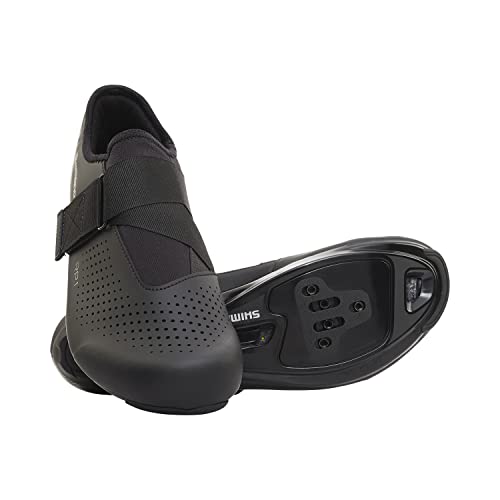
- Cleats5 hole outsole, takes both SPD and SPD-SL
- Solefiberglass reinforced for power transfer
- Uppersynthetic leather and mesh
- Closureslip on with a single strap
- Useroad riding and indoor trainers
#5 Gloves

Gloves protect cyclists' hands from blisters and provide cushioning against vibrations. They also offer critical protection in case of a fall and improve grip on the handlebars.
HTZPLOO Bike Gloves
Half finger, gel palm
- Palmanti slip silicone gel with shock absorbing padding
- Backlycra for flexibility
- Removaltwo finger loops to pull them off
- Detailtowel cloth on the thumb for sweat
- SizesS through XL by palm width
#6 Sunglasses

Sunglasses shield cyclists' eyes from harmful UV rays, wind, and debris. They enhance visibility and are often designed to stay in place despite vigorous movement and sweat.
Lamicall Sports Sunglasses
24 grams, polarized
- LensesTAC polarized, 99.9 percent UVA and UVB protection
- Weight24 grams
- FrameTR90, resists deformation
- Fitnose pads adjustable over three levels
- Includedhardshell case with clip, pouch, cleaning cloth
#7 Water Bottles

Staying hydrated is essential for maintaining endurance in cycling. Water bottles are a convenient way for cyclists to carry and access fluids, particularly on long rides.
CamelBak Podium
24 ounces
- Volume24 ounces
- Shapesized to sit firmly in most bike cages
- Caphigh flow self sealing valve, no drips
- Bodyeasy squeeze for a fast drink one handed
- Cleaningbottle and cap come apart, dishwasher safe
#8 Repair Kit

A repair kit, including spare tubes, tire levers, and a pump, is essential for addressing common mechanical issues. It ensures cyclists can quickly fix punctures and continue their journey.
Bicycle Repair Bag
Pump, multitool, patches
- Pumpmini pump to 120 psi, presta and schrader, 7.9 inches stored
- Multitool16 in 1 with hex keys 2 to 6 mm, socket wrenches 8 to 10 mm and screwdrivers
- Patches12 glueless patches, 6 round and 6 rectangular
- Also includedtire lever, crank extractor with 16 mm spanner, 10 in 1 bone wrench
- Bagsaddle bag holds the set
#9 GPS Device or Bike Computer

GPS devices or bike computers help cyclists navigate routes, track performance stats, and monitor progress. They're invaluable tools for both training and exploring new trails or roads.
CYCPLUS G1
70 grams, IPX6
- Screen2.0 inch FSTN with automatic backlight, readable in sunlight
- Weight70 grams
- Battery1200 mAh
- SealingIPX6, works in rain
- Datatime, distance, speed and total on GPS, sleeps after 10 minutes
Equipment for Coaches and Teams
#1 Team Vehicles
Team vehicles are indispensable for road cycling teams, providing transport for athletes, coaches, equipment, and support staff during races and training. They serve as mobile command centers, allowing teams to strategize, replenish, and provide mechanical support on the go.
#2 Radios or Communication Devices

Radios and communication devices are crucial for in-race strategy and safety. They enable real-time communication between cyclists and team directors, ensuring coordination, immediate response to race dynamics, and critical updates on road conditions or emergencies.
#3 Nutrition Supplies

Nutrition supplies like energy bars and gels are essential for maintaining cyclists' energy levels during training and competition. They provide convenient, fast-absorbing nutrients, vital for peak performance and recovery over long distances and exhaustive efforts.
#4 First Aid Kit

A well-stocked first aid kit is essential for any cycling team to address injuries promptly. It contains supplies and tools to manage cuts, abrasions, or more serious medical issues, helping to keep cyclists safe and healthy while on the road or trail.
#5 Training Plans and Data Analysis Tools
Training plans and data analysis tools help coaches tailor workouts to individual athletes, monitor progress, and make informed tactical decisions. They are key to optimizing performance, preventing injury, and preparing for the demands of competitive cycling.
Equipment for Facilities
#1 Velodrome

A velodrome is an arena with a banked track designed for high-speed cycling, typically used for track racing. Its unique shape and surface allow cyclists to maintain velocity and race competitively. Essential for training and competition, its design is critical for the safety and performance of track cyclists.
#2 BMX Track

A BMX track is specially designed for BMX racing, featuring a course with jumps, tight turns, and other obstacles. It's essential for riders to develop their skills, compete, and experience the full range of BMX biking, providing a challenging and dynamic environment that is fundamental to the sport.
#3 Mountain Bike Trails

Mountain bike trails offer varying terrain and difficulty levels, which are crucial for riders seeking to train or enjoy mountain biking. These trails are designed to test a rider's skill and endurance, and having a well-maintained network of trails is vital for any cycling facility catering to off-road enthusiasts.
#4 Cycling Road Course

A cycling road course provides a measured and safe route for road cycling training and events. Clearly marked lanes, ideally with bike-specific signage and smooth pavement, are essential for simulating real-world conditions, strategic practice, and hosting competitive road races.
#5 Bike Racks

Bike racks are indispensable in cycling facilities for secure bicycle storage. They offer riders a convenient and safe place to park their bikes, preventing theft and damage. This simple yet vital amenity supports cyclists' peace of mind, allowing them to focus on training or competition.
#6 Repair Stations

Repair stations are critical in cycling facilities, equipped with essential tools for maintaining and repairing bikes. These stations enable cyclists to perform quick fixes, adjustments, and routine maintenance, ensuring bikes are in optimal condition for a safe and effective ride.
#7 Locker Rooms

Locker rooms provide cyclists with a private space to change, store personal items, and shower after training or competing. They are key for comfort and hygiene, promoting a professional environment where riders can prepare for events and unwind post-ride, essential for any comprehensive cycling facility.

FAQ
What is the equipment you need to play Cycling?
A bicycle, helmet, cycling apparel, and safety gear are the equipment you need to play cycling. This setup is crucial for efficient riding and protection on the road or trail.
What is the most important equipment in Cycling?
The bicycle is the most important equipment in cycling, as it is the primary means of participation, enabling movement, and providing the core experience of the sport.
What is a recommended list of Cycling equipment for beginners?
Here's a recommended list of Cycling equipment for beginners: a road or mountain bike depending on terrain preference, a properly fitted helmet, padded shorts or tights for comfort, a water bottle or hydration pack, and basic safety gear including lights and a repair kit. These items will help you start safely and comfortably.