


White water rafting is most popular in the United States, New Zealand and Canada. 10 countries ranked by rivers, outfitters and world championships.
White water rafting turned from an expedition into a mass adventure sport in the second half of the 20th century. Today it is a tourism industry on rivers from the Colorado to the Trishuli, and a competitive sport governed by the International Rafting Federation (IRF).
Below you will find the ranking, the key numbers at a glance, a profile of every country and a table of the World Rafting Championships results we could verify.
👉 Think you know white water rafting? Test yourself with our White Water Rafting Quiz.
Countries where white water rafting is most popular:
- United States
- New Zealand
- Canada
- Nepal
- Costa Rica
- Chile
- Australia
- Italy
- Czech Republic
- Bosnia and Herzegovina
White Water Rafting Popularity by Country at a Glance
| Rank | Country | IRF world championship events hosted | Best known for |
|---|---|---|---|
| #1 | United States | 1 (2001, Gauley River) | Grand Canyon, Colorado and the Arkansas River |
| #2 | New Zealand | 1 (2013, Rotorua) | Queenstown, Shotover and Kaituna |
| #3 | Canada | 0 | Ottawa River and Chilko River |
| #4 | Nepal | 0 | Trishuli and Sun Koshi |
| #5 | Costa Rica | 2 (1998 and 2011, Pacuare) | Pacuare River |
| #6 | Chile | 1 (2000, Futaleufu) | Futaleufu River |
| #7 | Australia | 1 (2019, Tully River) | Tully River, Queensland |
| #8 | Italy | 1 (1994, Dora Baltea) | Dora Baltea and Aosta Valley |
| #9 | Czech Republic | 1 (2003, Vltava) | Racing power, Vltava River |
| #10 | Bosnia and Herzegovina | 3 (2009, 2022, 2024) | Vrbas and Tara rivers |
How We Ranked the Countries
There is no global count of rafters and no official medal table, so we weighed three things: the size of each country’s commercial rafting industry and the fame of its rivers, the national rafting culture, and how often the country has hosted the IRF World Rafting Championships, which is the one comparable number we could source.
The IRF page on championship history lists hosts from 1994 to 2025. Participation figures vary a lot between sources, so we quote them with their origin and treat older figures as such.

#1 United States

- 👥 Participants: 4.05 million Americans rafted in 2023, up from 3.4 million in 2018 (Outdoor Foundation, via a 2026 industry blog)
- 🏞️ Grand Canyon: about 22,000 visitors a year, 16 authorised outfitters
- 📊 Colorado: about 497,000 commercial user days in 2024
- 📅 IRF Worlds: 2001 on the Gauley River, West Virginia
The United States has the biggest rafting industry in the world. Its most famous stretch is the Colorado River through the Grand Canyon, where about 22,000 people a year raft with commercial outfitters, and where private and commercial trips can book up far in advance. The park has 16 authorised concessioners.
Colorado is the busiest state for day trips: commercial rafting there logged about 497,000 user days in 2024, according to an industry blog citing state data. Other classic rivers include the Snake in Wyoming, the Arkansas in Colorado and the Gauley in West Virginia, which hosted the 2001 World Rafting Championships.
#2 New Zealand

- 📅 IRF Worlds: hosted in Rotorua in 2013
- 🏞️ Rivers: Shotover (grade 3 to 5), Kawarau (grade 2 to 3)
- 📜 History: first commercial rafting in the 1970s in Skippers Canyon
- 🏆 Racing: four-time world champion before 2005
New Zealand is built for adventure tourism. Commercial rafting began in Skippers Canyon near Queenstown in the 1970s, and the area is still the centre of the industry. The Shotover River has grade 3 to 5 rapids, while the Kawarau offers a gentler grade 2 to 3 run that is a good choice for families.
New Zealand is also a racing nation. Its crews were four-time world champions before the Czech Republic took the 2005 title from them, and Rotorua hosted the World Rafting Championships in 2013.
#3 Canada

- 🏞️ Rivers: Chilko River in British Columbia, Ottawa River on the Ontario and Quebec border
- 🌲 Setting: mountain and wilderness runs
- 📅 IRF Worlds: not on the IRF list of championship hosts
Canada has plenty of big rafting water. The Chilko River in British Columbia is among the best known of its wilderness runs.
The Ottawa River on the Ontario and Quebec border is another widely used rafting river. Canada does not appear on the IRF’s list of championship hosts.
#4 Nepal

- 📜 First company: Himalayan River Exploration, registered in 1976
- 👥 Clients: more than 30,000 in 2000
- 🏞️ Rivers: Trishuli, Sun Koshi, Bhote Koshi, Kali Gandaki
- 🏔️ Setting: Himalayan snow-melt rivers
Nepal’s commercial rafting is younger than America’s but just as spectacular. The first commercial company, Himalayan River Exploration, was registered in 1976, and by 2000 the industry served more than 30,000 clients a year, from almost nothing in the early 1970s.
The Trishuli is Nepal’s most common run on the road to Pokhara and Chitwan, while the multi-day Sun Koshi is a favourite of expedition-style trips. Rafting operators there use more than a dozen rivers.
#5 Costa Rica

- 📅 IRF Worlds: 1998 (Reventazon and Pacuare) and 2011 (Pacuare)
- 🏞️ Rivers: Pacuare, Reventazon
- 🌴 Setting: tropical rainforest canyons
Costa Rica is the best-known rafting destination in Central America. The Pacuare River, which runs through rainforest canyons, hosted the 2011 World Rafting Championships and shared the 1998 event with the Reventazon.
The 1998 race was a Camel White Water Challenge event and, according to the IRF, only the last three of those events received world championship status, so we count it with a caveat.
#6 Chile

- 📅 IRF Worlds: 2000 on the Futaleufu River
- 🏞️ River: Futaleufu, in Patagonia
- 🏔️ Setting: Andean turquoise water
The Futaleufu River in Chilean Patagonia hosted the 2000 World Rafting Championships and is a well-known destination for guided trips.
It was the first time the championships had been held in South America.
#7 Australia

- 📅 IRF Worlds: 2019 on the Tully River, Queensland
- 🏞️ Rivers: Tully
- 🌴 Setting: tropical north Queensland
Australia hosted the 2019 World Rafting Championships on the Tully River in tropical north Queensland.
It was the last edition before the pandemic.
#8 Italy

- 📅 IRF Worlds: first world championship in 1994 on the Dora Baltea
- 🏞️ River: Dora Baltea, Aosta Valley
- 🏔️ Setting: Alpine river
Italy hosted the first rafting world championship in 1994 on the Dora Baltea River in the Aosta Valley, according to the IRF’s history page.
The Dora Baltea runs through the Aosta Valley in the Italian Alps.
#9 Czech Republic
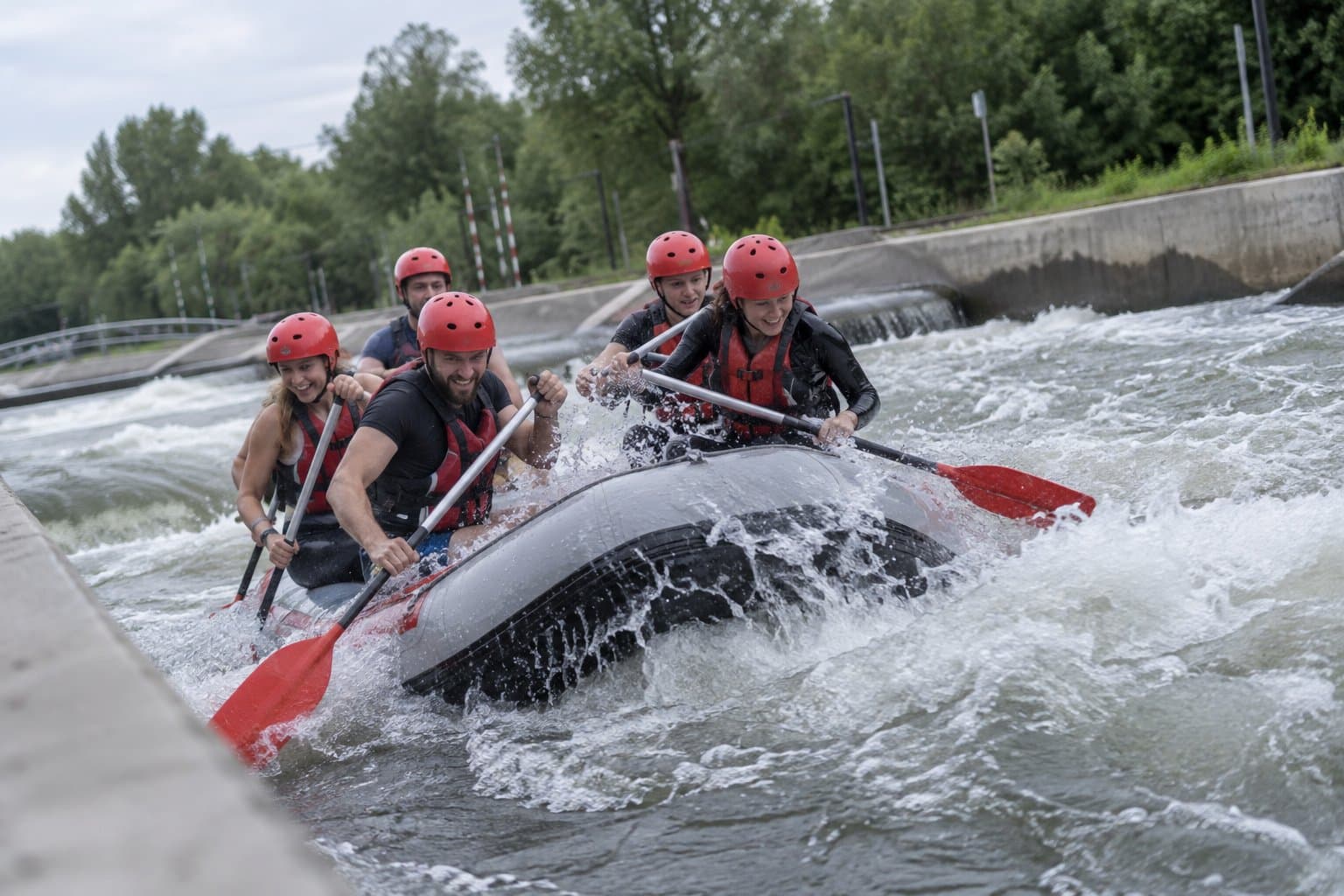
- 📅 IRF Worlds: 2003 on the Vltava
- 🏆 Racing: took the 2005 title from four-time champion New Zealand
- 🥇 Worlds 2022: won five of the eight world titles available
The Czech Republic is a leading racing nation in Europe. Czech crews won the 2005 world title, taking it from New Zealand, and in 2022 they won five of the eight championships on offer, including Open Women, Masters and Under 19.
The country hosted the Worlds in 2003 on the Vltava, the river that runs through Prague and Cesky Krumlov.
#10 Bosnia and Herzegovina
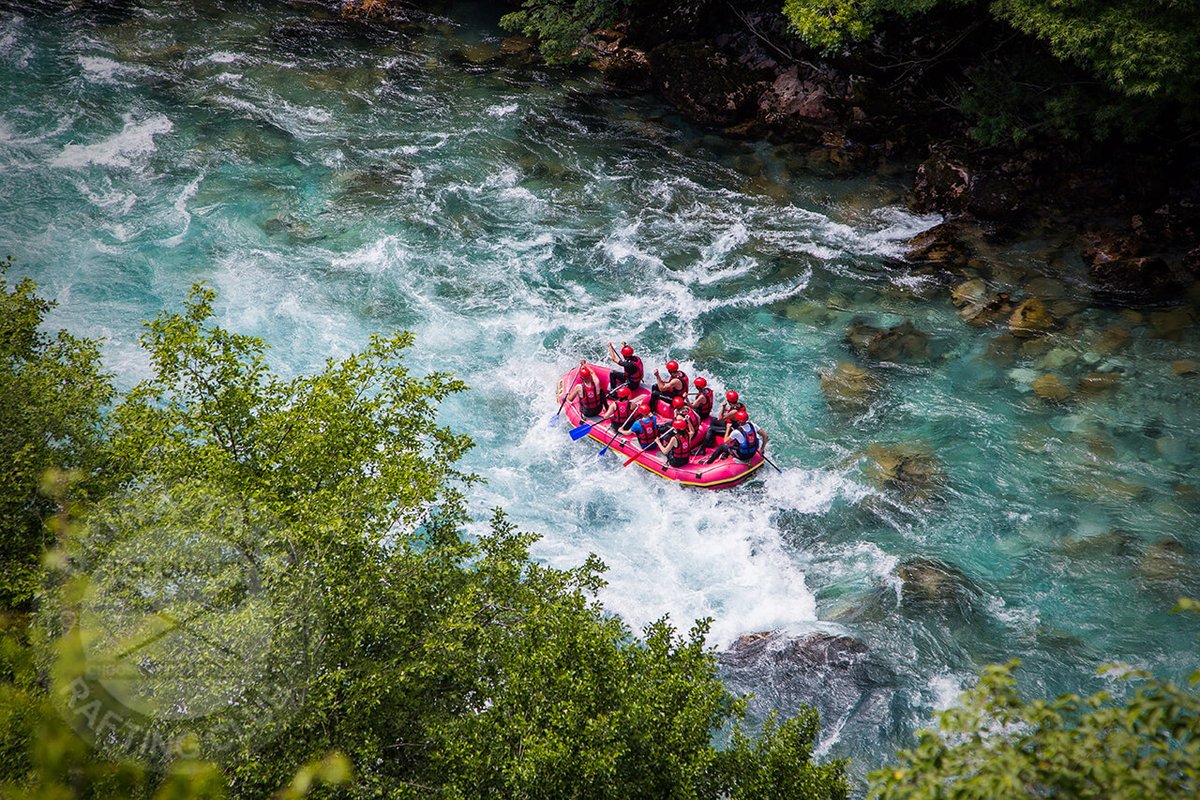
- 📅 IRF Worlds: hosted in 2009, 2022 and 2024
- 🏞️ Rivers: Vrbas, Tara
- 🏔️ Setting: Balkan canyon rivers
Bosnia and Herzegovina has hosted the world championships three times: 2009 on the Vrbas and Tara, 2022 on the same rivers, and 2024 on the Vrbas near Banja Luka.
The 2024 event was organised around the city of Banja Luka.
Which Countries Are Best at White Water Rafting?
There is no complete medal table for the IRF World Rafting Championships that we could verify, so we show hosts and the results we found in IRF reports.
| Year | Host country | What happened |
|---|---|---|
| 2001 | United States | Held on the Gauley River in West Virginia |
| 2005 | Ecuador | Czech Republic took the title from four-time champion New Zealand |
| 2007 | South Korea | Brazil won Open Men overall by two points from the Czech Republic, with Japan third |
| 2013 | New Zealand | Held in Rotorua |
| 2014 | Brazil | Brazil won the Open Men, Open Women and Masters Men titles |
| 2019 | Australia | Held on the Tully River in Queensland |
| 2022 | Bosnia and Herzegovina | Brazil won Open Men; the Czech Republic took five of the eight titles |
Other Countries Where White Water Rafting Is Growing
These countries just missed the ranking but are well known for rafting.
| Country | Why it matters |
|---|---|
| Brazil | Won the Open Men world title in 2007, 2014 and 2022 and hosted the Worlds in Foz do Iguacu in 2014. |
| India | Himachal Pradesh and Ladakh are popular rafting destinations on the Indus and other rivers. |
| Zambia | The Zambezi below Victoria Falls is one of the most famous commercial runs in Africa. |
More About White Water Rafting
- History of White Water Rafting
- White Water Rafting lingo and slang
- White Water Rafting equipment list

FAQ
Which country is best for white water rafting?
The United States has the largest industry, with the Grand Canyon and Colorado leading, while New Zealand, Costa Rica and Nepal are classic destinations for rafters from abroad.
Which country has won the most rafting world championships?
There is no complete medal table we could verify. According to IRF reports Brazil won the Open Men world title in 2007, 2014 and 2022, and the Czech Republic took five of the eight titles in 2022.
Where did commercial white water rafting start?
Guided commercial rafting grew in the United States in the 20th century. In Nepal the first commercial company was registered in 1976, and in New Zealand the first operations started in the 1970s.
How many people go white water rafting each year?
About 4.05 million Americans rafted in 2023 according to the Outdoor Foundation, as cited in a 2026 blog. No global figure exists.
Where are the World Rafting Championships held?
In a different country each time, for example Brazil in 2014, Australia in 2019 and Bosnia and Herzegovina in 2022 and 2024. The IRF list of hosts runs to 2025.
Is white water rafting popular in Europe?
Yes. Czechia, Bosnia and Herzegovina, Italy and Slovakia all host or win major races, and the Alps and the Balkan canyon rivers have a strong outfitter scene.


No comments yet
What's your take?
What's your opinion, or think we got something wrong? Tell us and other readers.
Our editors read every comment.