

Olympic weightlifting rules explained: the snatch and the clean and jerk, three attempts, referee lights, common no lifts, weight classes and ties.
Olympic weightlifting comes down to two lifts: the snatch and the clean and jerk. Each lifter gets three attempts at each, and the best of both adds up to the total. The rules decide what a good lift looks like, and small faults like a press out or a knee touching the platform cancel a lift that looked complete.
This guide follows the technical rules of the International Weightlifting Federation (IWF), which USA Weightlifting also uses. It explains both lifts, attempts, judging and the most common reasons for a no lift.
Jump to:
- Weightlifting Rules in 60 Seconds
- The Snatch
- The Clean and Jerk
- Attempts and Timing
- Common No Lifts
- Judging
- Weight Classes and Ties
- Local Meets vs International Events
- Tips for Your First Meet

Weightlifting Rules in 60 Seconds
- Two lifts. The snatch and the clean and jerk.
- Three attempts each. The best good lift in each counts.
- The total wins. Best snatch plus best clean and jerk.
- Two of three referees. At least two white lights make a good lift.
- Hold it still. The bar stays overhead until the down signal.
The Snatch
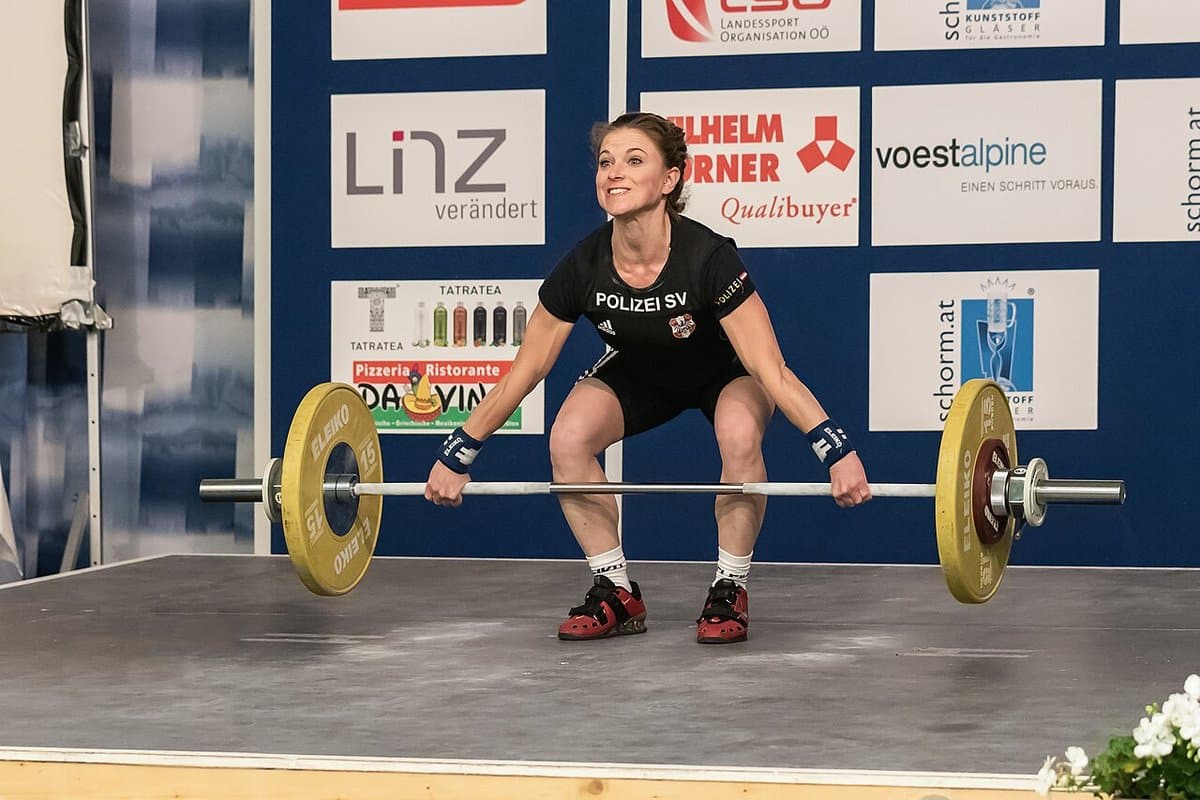
In the snatch, the lifter pulls the bar from the floor to arms length overhead in one continuous movement, usually dropping into a squat to catch it. The lifter then stands up with the bar overhead, feet in line and the whole body still, and waits for the referees’ signal to lower it.
The Clean and Jerk
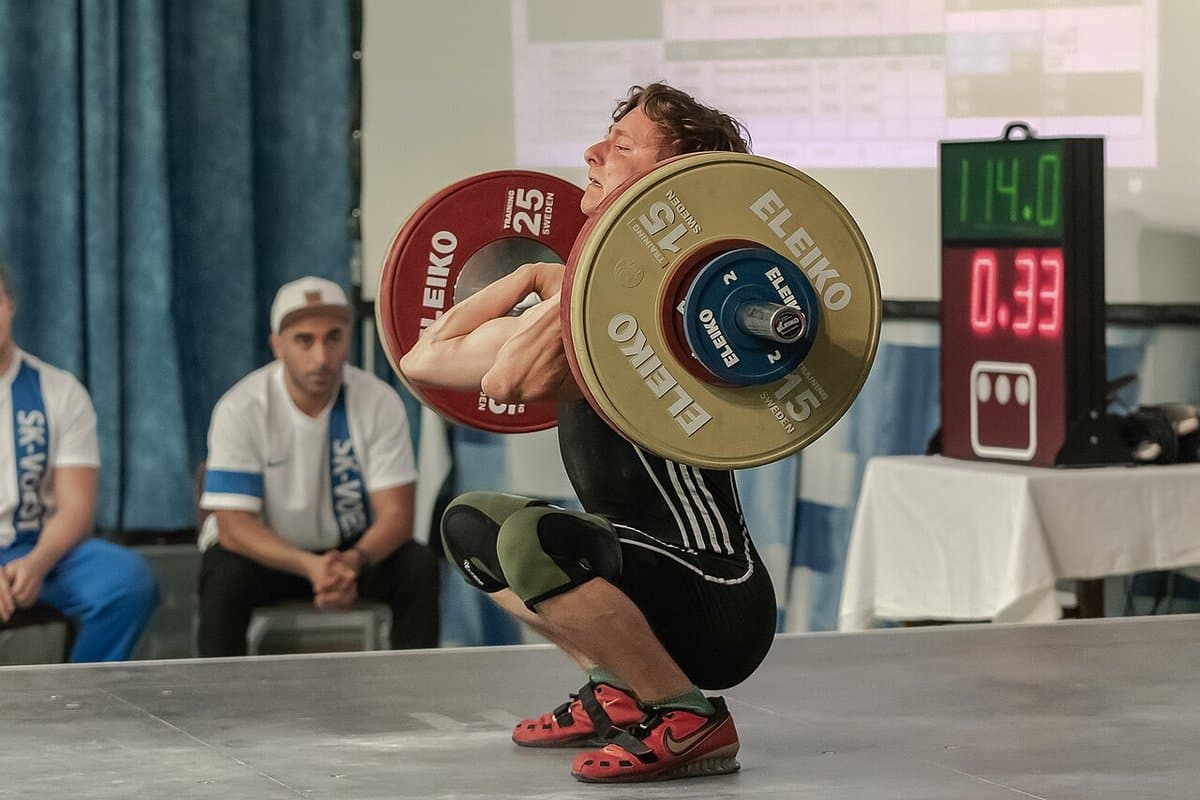
The clean and jerk has two parts. In the clean, the bar goes from the floor to the shoulders in one movement. In the jerk, the lifter drives it from the shoulders to arms length overhead, often splitting the legs, then brings the feet back in line. A lifter may adjust the bar on the shoulders before the jerk, but may not start the jerk and stop.
Attempts and Timing
- Order: the bar is loaded from lighter to heavier. The lifter who asks for the lowest weight goes first.
- Time: after being called, a lifter has one minute to start the lift, or two minutes when following their own previous attempt.
- Increases: each new attempt must be at least 1 kilogram heavier than the last.
- Bar: 20 kilograms for men and 15 kilograms for women.
Common No Lifts
| Fault | Lift |
|---|---|
| Press out (bending and pushing the arms to finish) | Snatch and jerk |
| Touching the platform with a knee or the buttocks | Both |
| Bar stops on the way up in the snatch or clean | Snatch, clean |
| Lowering the bar before the down signal | Both |
| Releasing the bar above the shoulders or behind the body | Both |
| Stepping off the platform | Both |
Judging
Three referees judge each lift with white lights for a good lift and red for a no lift. Two white lights are enough. At major events a jury watches as well and can overrule the referees. A coach may also challenge a decision in some competitions.
Weight Classes and Ties
Lifters compete in bodyweight categories and weigh in two hours before their session. The IWF changed its categories again in 2025. If two lifters finish with the same total, the one who lifted that total first ranks higher.
Local Meets vs International Events
| Rule | Local meet | International (IWF) |
|---|---|---|
| Referees | Three | Three plus a jury |
| Results | Total, sometimes Sinclair points | Medals for snatch, clean and jerk and total at worlds |
| Weigh in | Two hours before | Two hours before |
| Drug testing | Sometimes | Always |
Tips for Your First Meet
- Open light. A safe first attempt gets you a total.
- Wait for the down signal before lowering the bar.
- Practice the full lift with a pause overhead, not just the pull.
- Learn some weightlifting terms like snatch, jerk and press out.
More Reading
- Weightlifting lingo and slang
- Weightlifting equipment list
- History of weightlifting
- Common weightlifting injuries
- Weightlifting quiz

FAQ
What are the basic rules of Olympic weightlifting?
Lifters get three attempts each at the snatch and the clean and jerk. The best good lift in each adds up to the total, and the highest total in the weight class wins.
How many attempts do you get in weightlifting?
Three in the snatch and three in the clean and jerk.
What is a press out in weightlifting?
Finishing a lift by bending and pushing the arms. It is a no lift.
How heavy is an Olympic barbell?
20 kilograms for men and 15 kilograms for women.
How many referees judge a lift?
Three. At least two white lights make a good lift.
How long do you have to start a lift?
One minute after being called, or two minutes after your own previous attempt.
What happens if two lifters have the same total?
The lifter who reached that total first ranks higher.
Can you drop the bar in weightlifting?
Only after the down signal, lowered in front of the body and released below shoulder level. Dropping it from overhead or behind is a no lift.


No comments yet
What's your take?
What's your opinion, or think we got something wrong? Tell us and other readers.
Our editors read every comment.