The snowmobiling equipment list starts with six rider items: helmet with visor, insulated snowsuit, gloves, waterproof boots, avalanche gear and a GPS.
Seven items belong to the rider, and apart from the sled itself they are all about staying warm, seen and findable. Four more belong to groups and guides: trail maps, a first aid kit, two-way radios and a tow rope with an emergency repair kit. Four describe the trail network itself, from marked trails and warming huts to trailer parking and a maintenance shop. The table below lists all 15 with what each one does.
- What equipment do you need for snowmobiling?
- A sled, a helmet with a visor or goggles, an insulated and waterproof suit, gloves and boots. Anything beyond the groomed trail also needs navigation and, in avalanche terrain, a transceiver, probe and shovel.
- What should you wear on a snowmobile?
- Layers under a windproof outer shell, because a sled at 60 kilometers per hour turns a mild day into a wind chill problem. Gauntlet gloves that seal over the jacket cuff and boots rated well below the air temperature do the rest.
- What does a beginner need?
- Almost everything can be rented except the fit items. Buy the helmet, the gloves and the boots first, because a borrowed helmet that does not fit is the one piece that stops protecting you.
- What safety gear do backcountry riders carry?
- A transceiver worn on the body, a probe and a shovel, and the training to use all three inside fifteen minutes. Add a satellite communicator or two-way radios, since mountain valleys rarely have cell coverage.

Snowmobiling Equipment at a Glance
The first seven rows are the rider's own kit. Rental operations supply the sled and often the suit, but helmet, gloves and boots are fit items that are worth owning.
| Item | What it does | Who supplies it |
|---|---|---|
| Snowmobile | Track and skis instead of wheels, trail or mountain built | Player |
| Helmet with visoror goggles | Impact protection plus a shield against wind and snow | Player |
| Snowsuitinsulated and waterproof | Windproof shell and insulation against the ride's own chill | Player |
| Gloves | Gauntlet cuffs that seal over the sleeve, still work the throttle | Player |
| Bootswaterproof, insulated | Feet stay still for hours, which is when cold gets in | Player |
| Avalanche safety geartransceiver, probe, shovel | Backcountry only, and useless without practice | Player |
| GPS or navigation device | A snow covered landscape has no landmarks after dark | Player |
| Trail maps | Marked routes, distances and where the fuel stops are | Coach |
| First aid kit | Cold injuries and crash injuries far from a road | Coach |
| Communication devicestwo-way radios | Keeps a group together where cell coverage stops | Coach |
| Tow rope and repair kit | Gets a stuck or broken sled back out of the snow | Coach |
| Marked trails | Signed and groomed routes that keep riders off private land | Facility |
| Warming huts | Shelter every few miles for hands and fuel breaks | Facility |
| Trailer parking | Space to unload sleds from a trailer at the trailhead | Facility |
| Maintenance shop | Rentals, repairs and belt or spark plug replacements | Facility |
Equipment for Snowmobilers
#1 Snowmobile
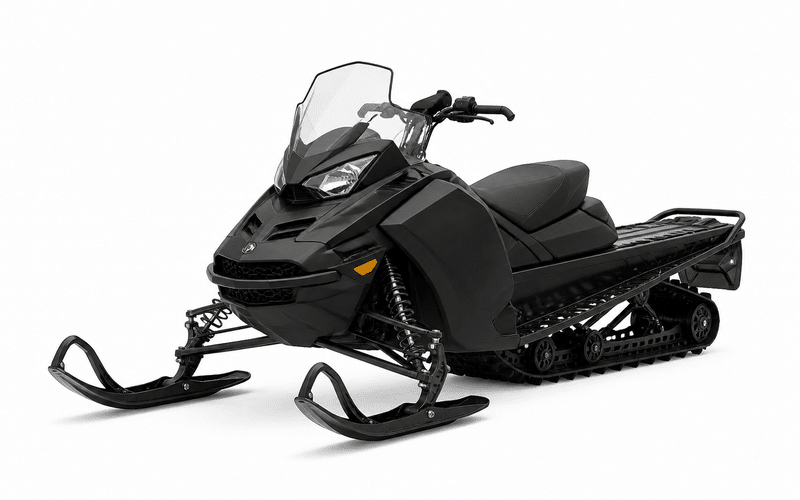
The snowmobile is the foundation of this thrilling winter sport, granting riders access to snowy landscapes otherwise difficult to navigate. It provides an exhilarating ride with the necessary power and traction for various snow conditions and terrains.
#2 Helmet with Visor or Goggles

A helmet is vital for protecting the head during snowmobiling adventures, while a visor or goggles shield the eyes from the elements. This combination is critical for safety, ensuring visibility and reducing the risk of head injuries in case of accidents.
Typhoon TH158 Modular
DOT rated, heated shield
- Typemodular full face with a flip up chin bar
- Shielddual lens heated shield plus a single pane shield
- Sun visordrop down tinted inner shield
- Extrasadjustable breath box and removable chin skirt
- Standardmeets DOT FMVSS218
#3 Snowsuit or Insulated, Waterproof Outerwear
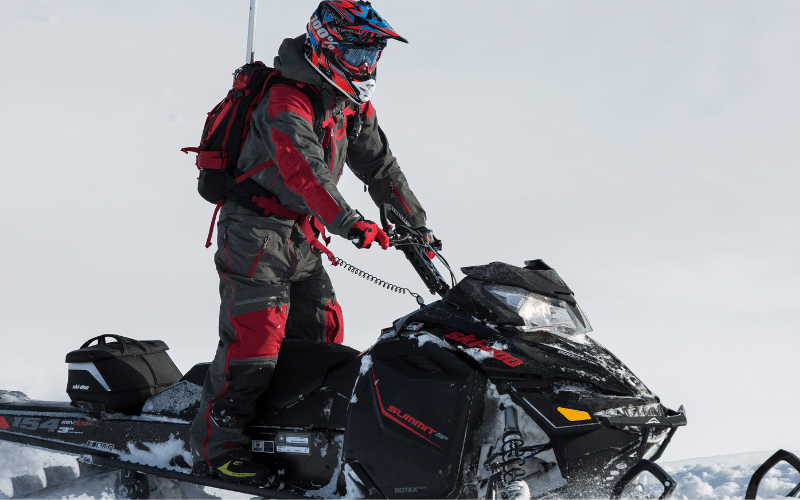
Proper outerwear is essential to stay warm and dry in cold, snowy environments. An insulated, waterproof snowsuit prevents hypothermia and frostbite by maintaining body heat and repelling moisture, enabling riders to comfortably enjoy longer periods outdoors.
Castle X Platform Bibs
Snowmobile bib, 150g fill
- Shell600D high tenacity nylon
- InsulationColdShield quilted, 150 g
- Water protectionPU coated fabric with a DWR treatment
- Cutbib overall, covers the lower back when seated
- Fitmen's sizing up to 2XL
#4 Gloves

Insulated, waterproof gloves are imperative for preventing frostbite and maintaining dexterity in freezing temperatures. They allow riders to operate their snowmobile controls effectively, ensuring a safe and enjoyable experience.
#5 Boots (waterproof and insulated)
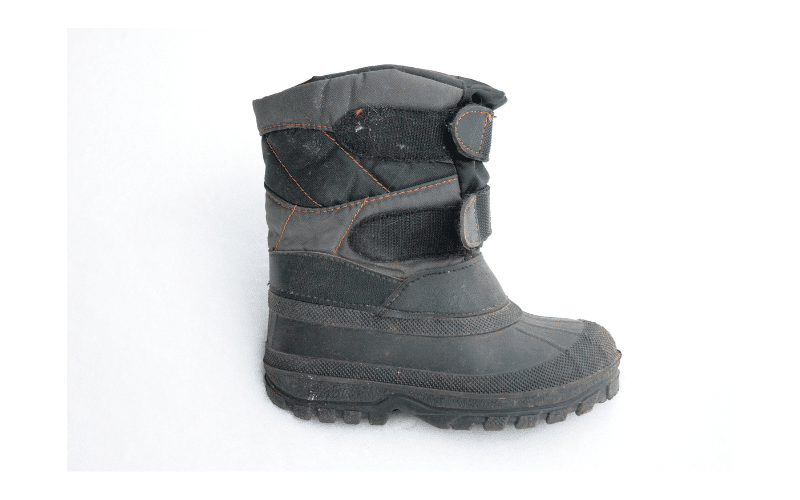
Snowmobiling boots must be both waterproof and insulated to keep feet warm and dry in snowy conditions. They provide crucial ankle support and grip, which are important for controlling the snowmobile and walking in the snow.
KLIM Force GTX BOA
1000g Thinsulate, GORE-TEX
- WaterproofingGORE-TEX membrane
- Insulation1000 g 3M Thinsulate plus an Aerogel insulated insole
- ClosureBOA M Series dial with CS3 lace
- Upperleather with a reinforced rubber toe
- DetailsD-ring for pant retention, heel entry loop
#6 Avalanche Safety Gear (transceiver, probe, shovel)
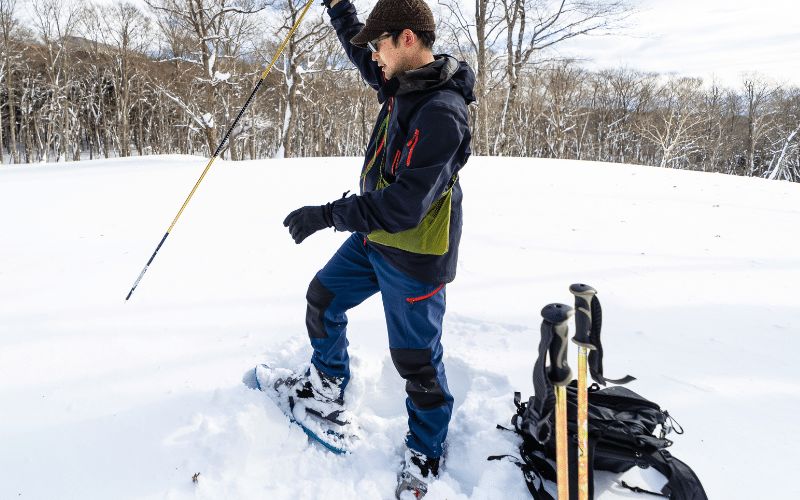
For backcountry riders, avalanche safety gear is non-negotiable. A transceiver helps locate riders in an avalanche, the probe is used to pinpoint their exact location, and a shovel is essential for quick excavation.
SnowBigDeal Avalanche Rescue Bundle
Beacon, probe and shovel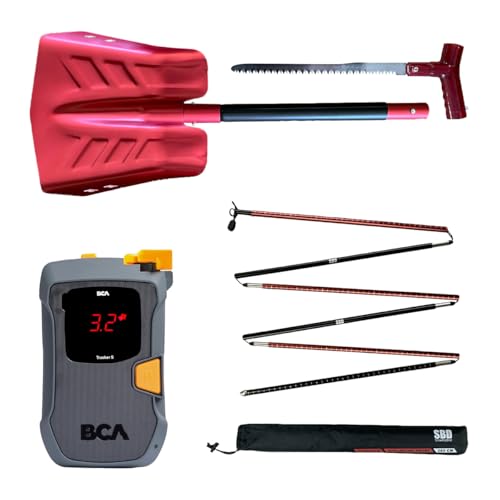
- BeaconBCA Tracker S digital transceiver
- Probe260 cm aluminum
- Shovelrescue shovel with an extendable handle and an integrated saw
- Shovel modesblade converts to hoe mode for moving snow
- Usesnowmobiling, ski touring and freeride terrain
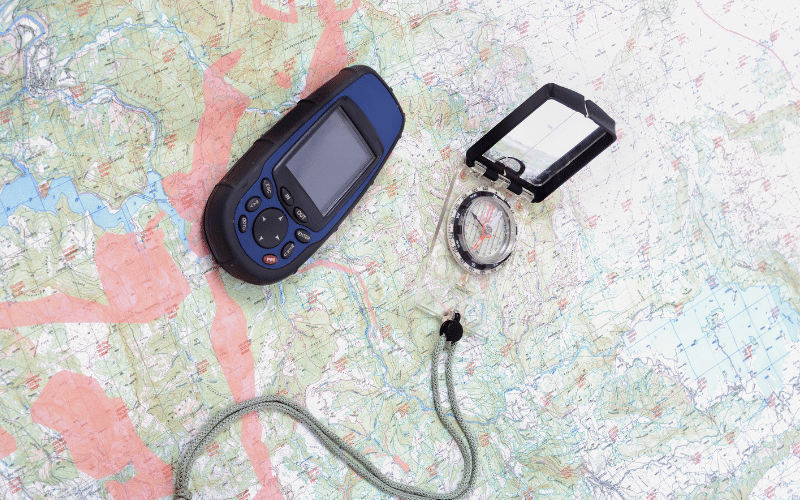
A GPS or navigation device is crucial for ensuring riders can find their way in the vast, often indistinguishable snowy terrain. It helps prevent disorientation and assists in safe explorations, away from potential hazards.
Garmin GPSMAP H1
Topo maps, glove friendly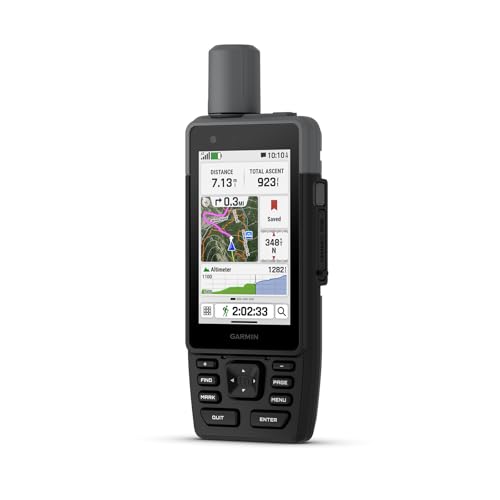
- Display3.5 inch sunlight readable touchscreen, works with gloves
- Mapspreloaded TopoActive maps and downloadable satellite imagery
- Positioningmulti-band GPS with multi-GNSS support
- Batteryup to 145 hours in multi-band mode
- DurabilityMIL-STD 810 rated, IP67
Equipment for Snowmobiling Guides and Groups
#1 Trail Maps
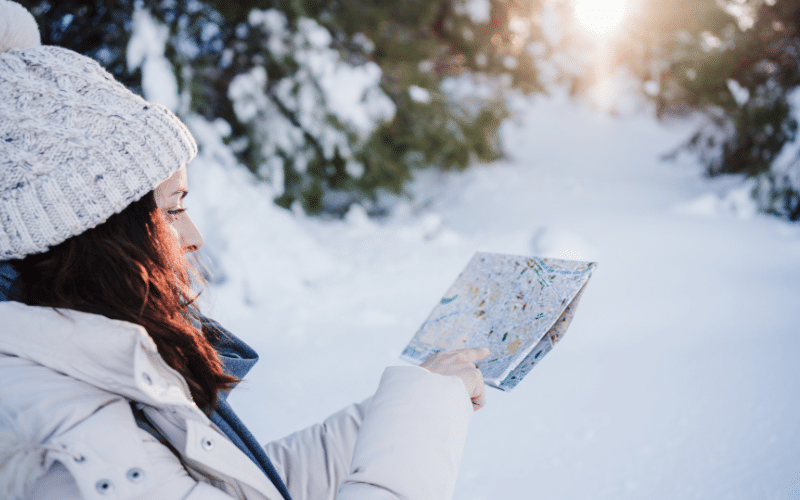
Trail maps are indispensable for safe navigation, providing routes and important location markers. They help guides and groups to plan outings and ensure they can find their way back.
#2 First Aid Kit

A comprehensive first aid kit is essential for addressing injuries promptly, ensuring the health and safety of everyone in the group.
#3 Communication Devices (two-way radios)
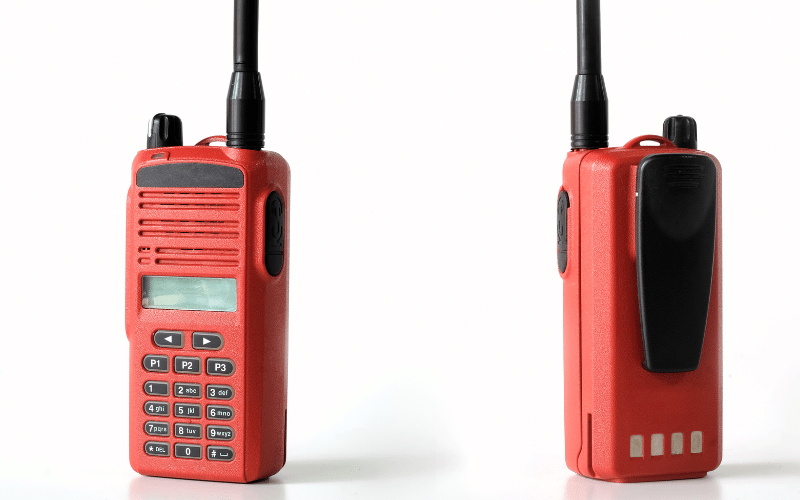
Communication devices, such as two-way radios, are important for maintaining contact between group members, especially in areas without cell service. They are crucial in emergency situations and for coordination during group rides.
Midland GXT1030VP4
Two radios, NOAA alerts
- Contents2 radios with rechargeable batteries
- Channels50 GMRS channels
- Privacy codes142
- WeatherNOAA weather channels with alerts
- Emergencybuilt-in SOS siren
#4 Tow Rope and Emergency Repair Kit
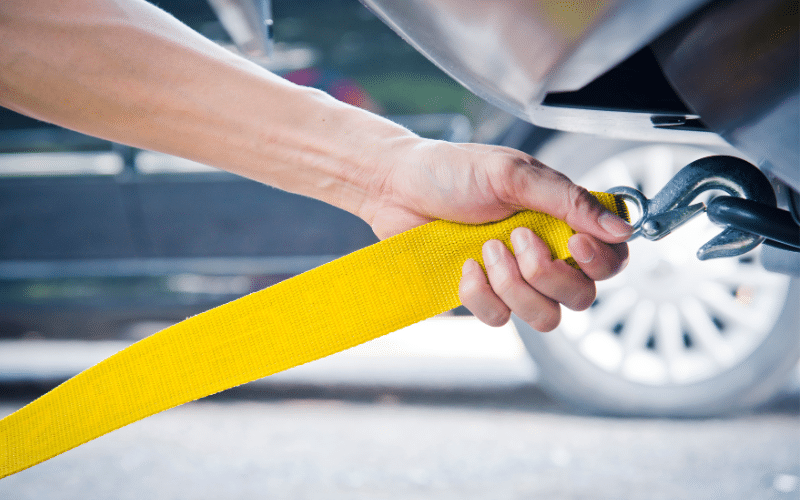
A tow rope and repair kit can mean the difference between being stranded and being able to continue the adventure. They are critical for quick fixes and towing a malfunctioning snowmobile back to safety.
Botepon Snowmobile Tow Strap
19 feet, quick hook up
- Length19 feet
- Width1.25 inches
- Breaking strength1600 pounds
- Hookssteel carabiners, one section wraps the ski knuckle
- Fitssnowmobiles, sleds and ATVs
Equipment for Snowmobiling Facilities
#1 Marked Trails and Maps
Facilities need well-marked trails and maps to guide riders, ensuring safe and enjoyable experiences. These resources help prevent lost riders and protect the natural environment from unintended damage.
#2 Warming Huts or Shelters along Trails

Warming huts offer respite from the cold, allowing riders to rest and warm up during their outdoor adventure, which is vital for preventing cold-related injuries and discomfort.
#3 Parking Area for Trailers and Vehicles
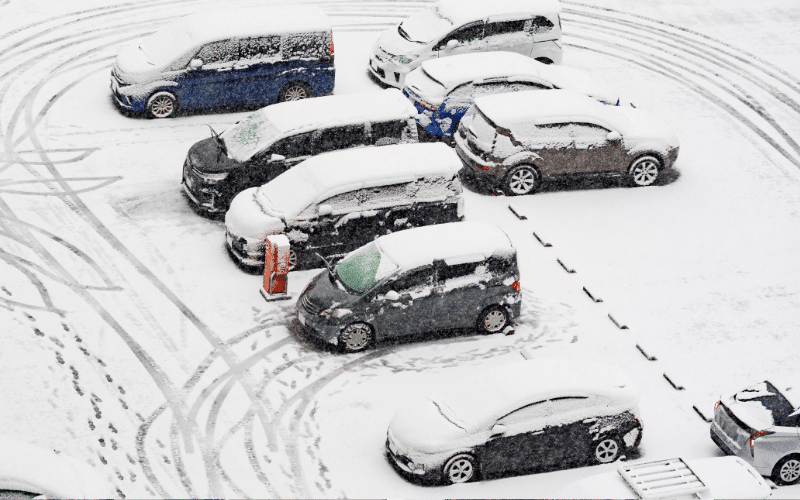
A designated parking area is essential for accommodating trailers and vehicles, ensuring a secure and organized starting point for riders as they head out onto the trails.
#4 Maintenance Shop for Rentals or Repairs
A maintenance shop on-site ensures that rental equipment is in top condition and provides a place for riders to have their own snowmobiles serviced or repaired, minimizing downtime and maximizing safety.

FAQ
What is the equipment you need to play Snowmobiling?
A snowmobile, helmet, goggles, insulated clothing, boots, and gloves are the equipment you need to play snowmobiling. They provide the basics for a safe and enjoyable experience.
What is the most important equipment in Snowmobiling?
The snowmobile itself is the most important equipment in snowmobiling, as it is essential for participation in the sport. Safety gear like a helmet is equally crucial.
What is a recommended list of Snowmobiling equipment for beginners?
Here's a recommended list of snowmobiling equipment for beginners: a reliable snowmobile, DOT-approved helmet, snowmobile suit or insulated layered clothing, snowmobile boots, gloves, and UV-protective goggles. These provide safety and comfort while learning.