Sailing equipment list with all 20 items: the boat, PFD, wet or dry suit, sailing gloves, waterproof watch, water shoes and a safety knife.
Nine of them go on the sailor, and most of that is clothing that keeps you warm, dry and upright on a wet deck. Five belong to coaches, among them the coach boat, handheld radios and navigation material, and six describe the club, from marina and boat storage to a repair yard, rescue boats and race management buoys and flags.
- What equipment do you need for sailing?
- A boat, a life jacket, a wet or dry suit, gloves, non-slip shoes and a knife you can reach with one hand. The club supplies the boat for most beginners, so the first purchase is the clothing.
- What equipment and clothing is used for sailing?
- Buoyancy aid or PFD, wet suit in summer and dry suit in cold water, a waterproof spray top, short-finger gloves for rope work, water shoes with a grip sole, a hat and polarized sunglasses.
- Why is specialist sailing equipment needed?
- Ropes tear ungloved hands, a wet deck is slippery in street shoes, and cold water pulls body heat away roughly 25 times faster than air. Each item answers one of those three problems.
- What goes on a race sailing equipment list?
- A countdown timer set to the ISAF start sequence, a buoyancy aid, gloves, a safety knife on a lanyard, a spray top and a handheld VHF radio for the race committee channel.

Sailing Equipment at a Glance
Nine items are the sailor's own, five belong to a coach or a team, and six are part of the club. Only the first block travels in your bag.
| Item | What it does | Who supplies it |
|---|---|---|
| Sailing boatto suit the class | Hull, rig and sails, matched to the class the club races | Player |
| Life jacket or PFD | Keeps you afloat after a capsize, foam vest or inflatable | Player |
| Wet suit or dry suit | Holds body heat in cold water, chosen by water temperature | Player |
| Sailing gloves | Saves the palms from rope burn and holds grip on a wet sheet | Player |
| Waterproof watch | Times the start sequence and the legs of a race | Player |
| Sun protectionhat, sunglasses, sunscreen | Water doubles the glare, a race day runs for hours | Player |
| Water shoes | Grips a wet deck and shields the feet from cleats and shackles | Player |
| Safety knife | Cuts a line that has you trapped, blunt tip so it cannot pierce a hull | Player |
| Water bottle | Sailing is hot work under a suit, there is no tap on the water | Player |
| Coach boat | Follows the fleet so the coach can watch and reach a capsize | Coach |
| Two-way radioshandheld VHF | Links coach, race committee and safety boats on one channel | Coach |
| First aid kit | Rope burns, knocks from the boom and cold water are the usual calls | Coach |
| Training materialscharts, rules, tactics | Teaches the race rules, the course and the tactics ashore | Coach |
| Team clothing | Identifies the club on the water and at the prize giving | Coach |
| Marina or docking area | Moors the boats and gets crew on and off dry | Facility |
| Boat storage | Dinghy park or rack ashore, out of the weather between sessions | Facility |
| Repair facilities | Hull, rig and sail repairs, plus routine maintenance | Facility |
| Clubhouselocker rooms and showers | Somewhere to change out of a wet suit and warm up | Facility |
| Rescue boats | Powered safety boat on station whenever the fleet is out | Facility |
| Race management equipmentbuoys and flags | Marks the course and signals the start, recall and finish | Facility |
Equipment for Sailors
#1 Sailing Boat
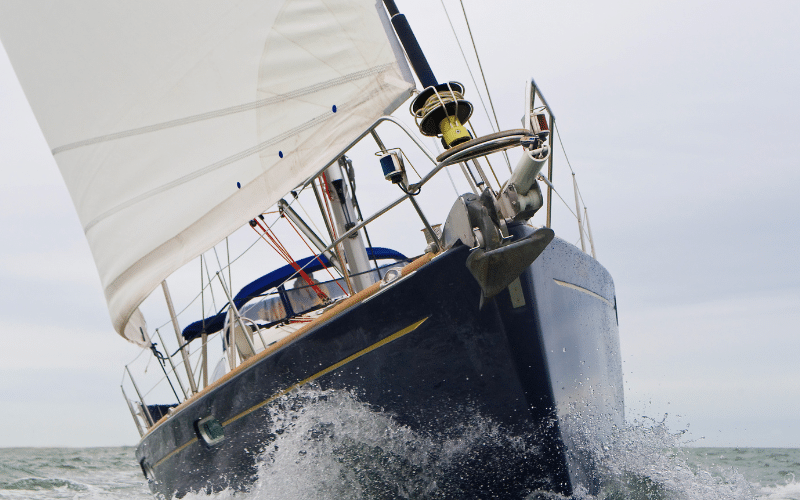
A sailing boat specifically designed for the class being sailed is the foundation of the sport. It ensures compatibility with race regulations and optimizes performance in various water conditions. A well-suited boat enhances the sailor's connection with the water and wind.
#2 Life Jacket or Personal Flotation Device (PFD)

Safety is paramount in sailing, making a life jacket or PFD a critical component. It provides buoyancy and supports the sailor in staying afloat in case of capsizing or falling overboard, significantly increasing the chances of survival and rescue.
Onyx MoveVent Dynamic
Vented foam paddle vest
- ApprovalUS Coast Guard and Transport Canada approved
- Ventilationmesh panels front and back, open sides
- Fitadjustable side belts and shoulder straps, neoprene facing
- Mobilitylarge armholes for full arm movement
- Extraszippered pocket, built in whistle, SOLAS grade reflective tape
#3 Wet Suit or Dry Suit
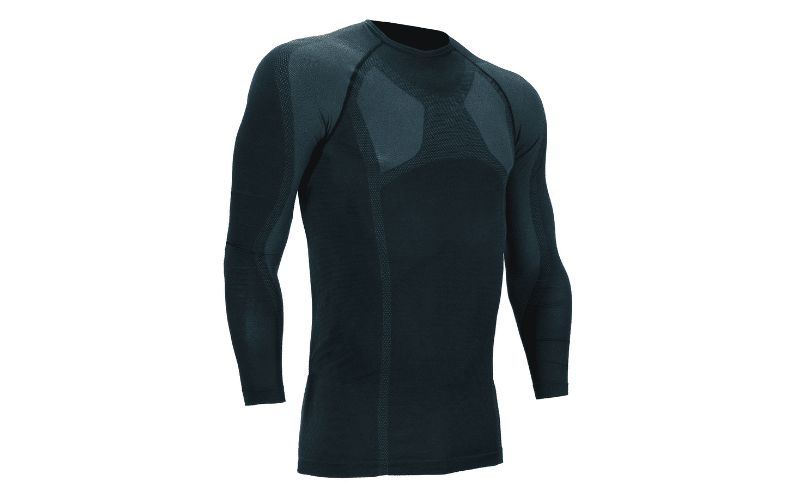
The choice between a wet suit or dry suit depends on weather conditions. These garments provide thermal insulation and protection from cold water, helping maintain body temperature and comfort, which is essential for concentration and endurance during sailing.
O'Neill Reactor-2 3/2mm
Back zip full suit
- Thickness3mm body, 2mm arms and legs
- Entryback zip with a water resistant closure
- Neopreneultra stretch, soft and flexible
- Seamsseamless paddle zones across the shoulders
- Insulationwind resistant smoothskin panels
- SizingXL fits a 42.5 to 47 inch chest
#4 Sailing Gloves

Sailing gloves protect the hands from blisters and cuts caused by handling ropes and equipment. They also offer better grip and control, allowing sailors to perform maneuvers with precision and without discomfort during extended periods on the water.
Helly Hansen Sailing Glove Short
Leather, short finger
- Palmleather with polyester overlays
- Cutshort finger, fingertips left free
- Closureinner hook and loop wrist adjustment
- Userope handling where extra protection is needed
- Colorblack, unisex sizing
#5 Waterproof Watch
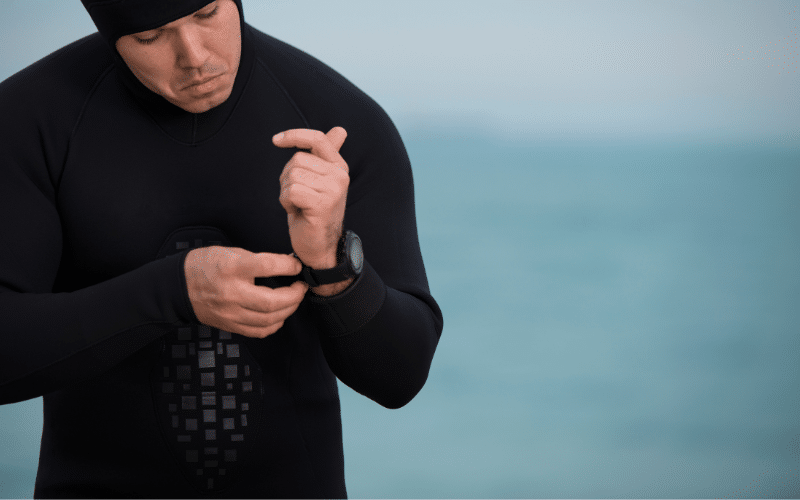
A waterproof watch is essential for timing races, tracking sailing progress, and monitoring weather changes. Reliable timekeeping helps sailors make strategic decisions and adhere to race start times and checkpoints.
Optimum Time Series 3
ISAF start timer
- Sequence5, 4, 1, 0 ISAF start pre-programmed with audible signals
- Programsalso 5 minute, 3 minute and multiples of 1 minute
- Displaysingle row, 16 millimeter digits, adjustable viewing angle
- Case65 millimeter ABS, shock resistant
- Waterresistant to 5 ATM
- Mountingelasticated strap plus a boom or mast bracket
#6 Sun Protection

Prolonged exposure to the sun's harmful rays makes sun protection gear crucial. A hat shields the face, sunglasses protect the eyes, and sunscreen prevents skin damage, ensuring sailors maintain focus without the adverse effects of sunburn or glare.
#7 Water Shoes
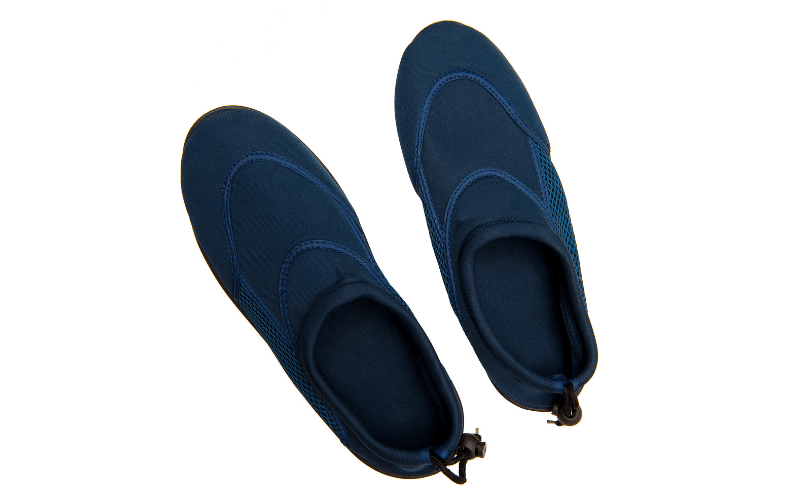
Water shoes provide necessary traction on wet surfaces, reduce the risk of slipping on the boat, and protect feet from sharp objects in the water. Durable and quick-drying, they contribute to a sailor's safety and comfort.
SIMARI Water Shoes
Rubber sole, quick dry
- Solenatural rubber with deep treads for wet rock and deck
- Upperstretch mesh, sock like fit
- Drainageholes through sole and insole
- Lacingadjustable elastic lock laces
- Usesailing, kayaking, surfing, beach
#8 Safety Knife
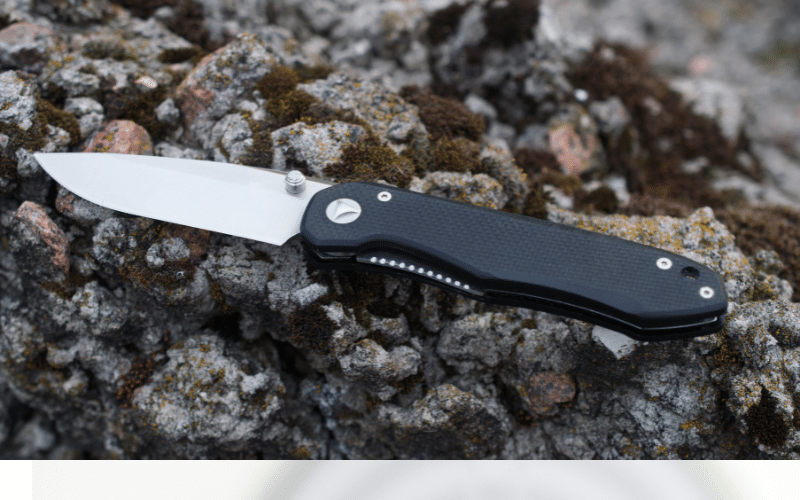
A safety knife is a vital tool for sailors to quickly cut through ropes or entanglements in emergency situations. It serves as a precautionary measure to escape potential hazards and maintain safety on board.
GEAR AID Tanu
Blunt tip, 3 inch blade
- Blade3 inch 304 stainless steel, blunt tip
- Edgesstraight and serrated, plus a separate line cutter
- Handlerubberized with a finger stop
- Sheathquick release, quick draining, removable belt clip
- Extralanyard hole for tethering
- Colorhigh visibility green
#9 Water Bottle

Hydration cannot be overlooked when sailing, as it helps prevent dehydration and keeps energy levels stable. A water bottle is an essential item, ensuring sailors can easily access fluids and stay hydrated throughout their time on the water.
Equipment for Coaches and Teams
#1 Coach Boat
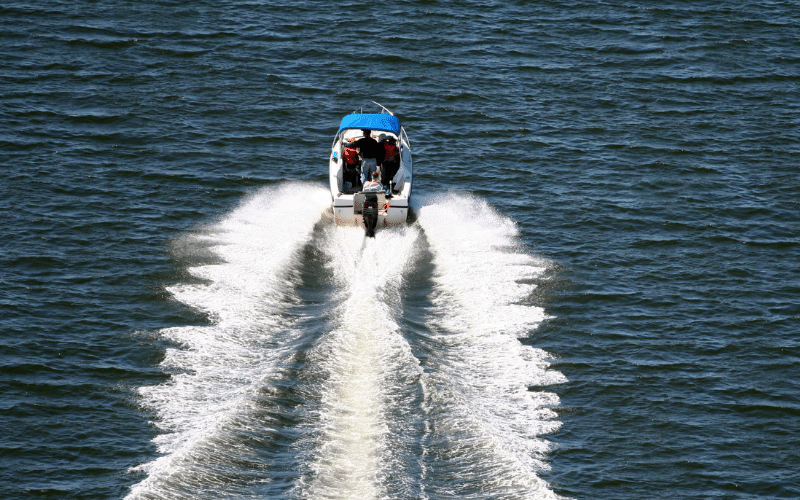
A coach boat is crucial for on-water guidance, enabling coaches to accompany sailors, provide real-time feedback, and facilitate strategic discussions. It also ensures safety by being a quick response vessel in case of emergencies.
#2 Two-Way Radios
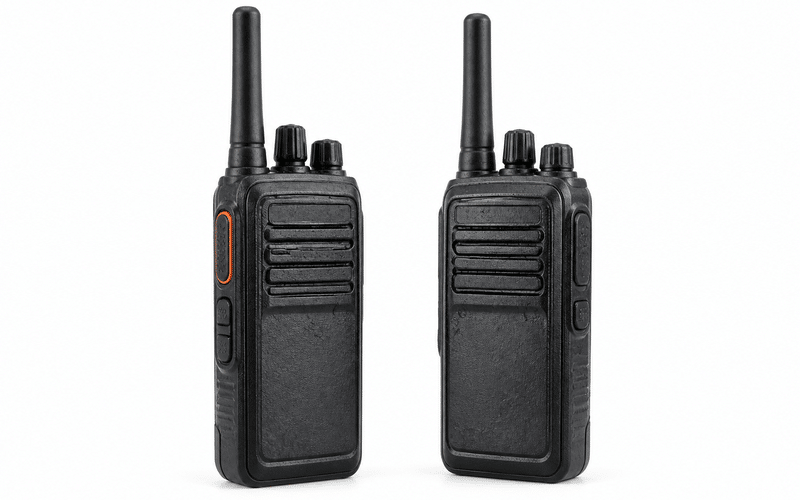
Two-way radios are vital for maintaining communication between coaches and sailors or between support staff during training and races. They allow for efficient transmission of tactical advice, safety instructions, and coordination during events.
Uniden Atlantis 155
Floating handheld VHF
- WaterproofingIPX8 and JIS8, floats, clears its own speaker after immersion
- Power3 watts transmit, switchable to 1 watt
- Channelsall USA, Canadian and International marine channels plus NOAA weather
- Display25 by 40 millimeters, white backlight by day, red at night
- Battery4 rechargeable AAA NiMH cells, 950 mAh, DC cable included
- Warranty3 years
#3 First Aid Kit
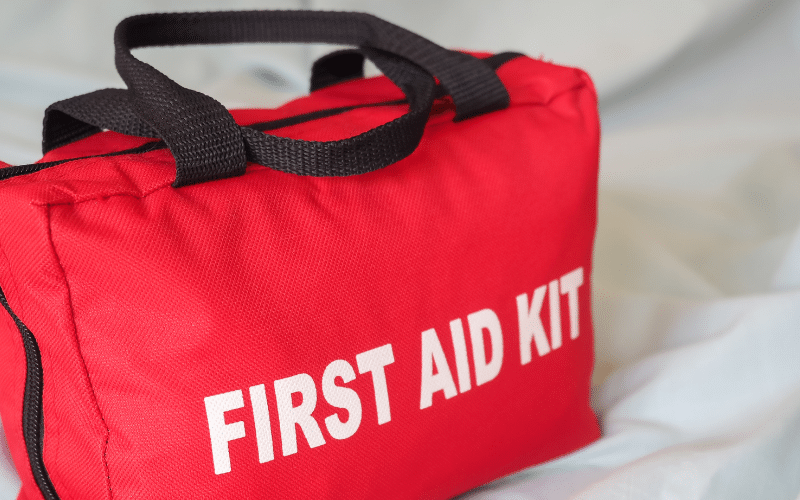
A well-stocked first aid kit is indispensable for addressing injuries and health emergencies on the water. It's essential for immediate treatment of cuts, bruises, or more significant health issues, contributing to the wellbeing of the team.
#4 Training Materials
Training materials such as navigation charts, rulebooks, and tactical guides are critical for educating sailors on racing strategies and safety protocols. They serve as resources for ongoing learning and skill development.
#5 Team Clothing
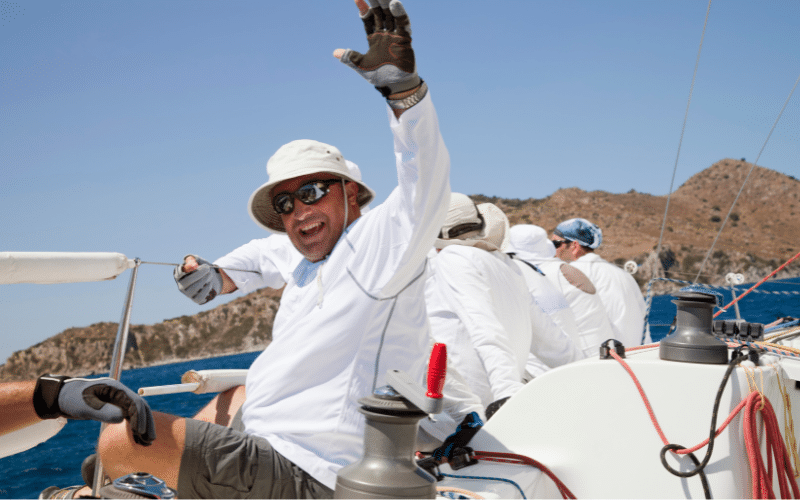
Team clothing, designed for functionality and uniformity, helps to identify members, instill a sense of pride, and protect sailors from the elements. It can range from branded waterproof gear to casual attire for off-water team gatherings.
Equipment for Facilities
#1 Marina or Docking Area
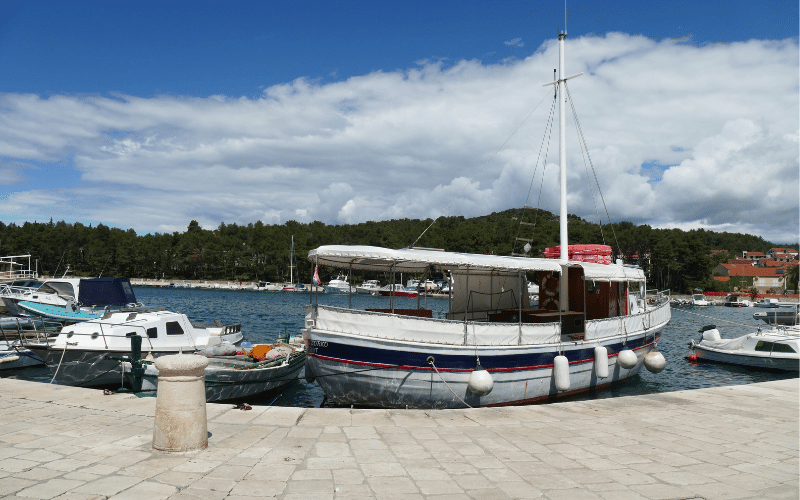
A marina or docking area is the primary interface between land and water for sailors. It provides a safe and accessible spot for boats to moor, facilitating easy embarkation and disembarkation. This infrastructure is vital for the protection of vessels when not in use.
#2 Boat Storage

Boat storage offers a secure space to protect and house sailing vessels when they are not on the water. Efficient storage prevents damage from environmental conditions and minimizes space consumption. Proximity to sailing activities ensures quick access and improves logistic efficiency for sailors and teams.
#3 Boat Maintenance and Repair Facilities
Maintenance and repair facilities are crucial for the upkeep and longevity of sailing boats. Providing access to repairs, mechanical services, and routine maintenance ensures that vessels remain in optimal condition, promoting safety and performance during sailing activities.
#4 Clubhouse (with locker rooms and showers)
A clubhouse with amenities such as locker rooms and showers offers sailors comfort and convenience. This space is a hub for social interaction, strategic discussions, and provides facilities for sailors to change, refresh, and store personal items securely, enhancing the overall sailing experience.
#5 Rescue Boats
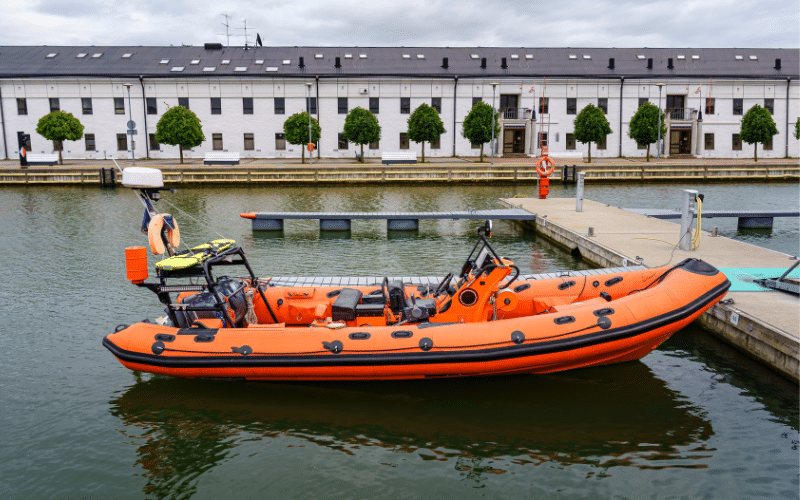
Rescue boats are an essential safety measure at sailing facilities. These specialized vessels are equipped to respond to emergencies on the water, offering rapid assistance to sailors in distress. Their presence increases the confidence and safety of everyone partaking in sailing activities.
#6 Race Management Equipment (buoys, flags)
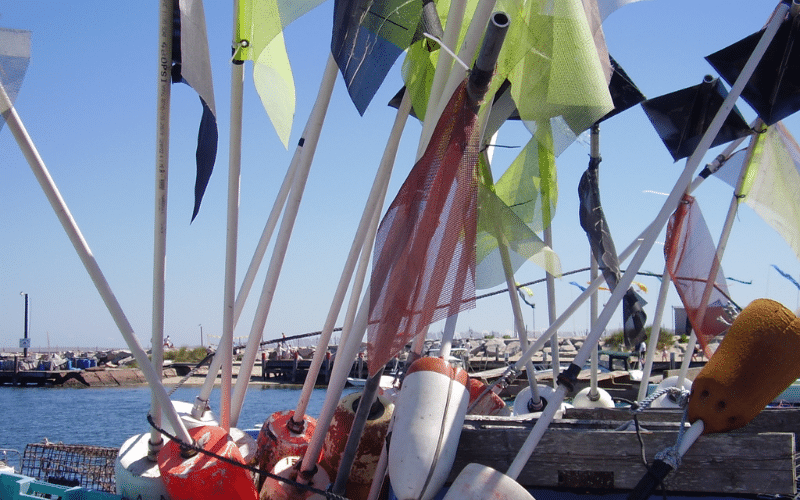
Race management equipment like buoys and flags are foundational for organizing sailing competitions. Buoys delineate the racecourse, providing direction and challenges for competitors, while flags are used for signaling, ensuring clear communication of race status and instructions to sailors and support teams.

FAQ
What equipment do you need to play Sailing?
A sailboat, life jackets, sails, rigging, and a compass are the equipment you need to play Sailing. These are essential for navigation, safety, and control of the vessel.
What is the most important equipment in Sailing?
The sailboat itself is the most important equipment in Sailing, as it is the primary medium for this water sport, encompassing the hull, mast, rigging, and sails.
What is a recommended list of Sailing equipment for beginners?
Here's a recommended list of Sailing equipment for beginners: a dinghy or small keelboat, life jacket, gloves, non-slip shoes, waterproof clothing, and a simple navigation aid. This gear helps ensure safety and comfort.