Running equipment list with all 16 items: running shoes, moisture-wicking clothing, a hydration system, GPS watch, sun protection and reflective gear.
Six of the sixteen items are carried by the runner: running shoes, moisture-wicking clothing, a hydration system, a GPS watch, sun protection and reflective gear. Five belong to coaches and clubs, including training plans, nutrition plans and timing devices, and five describe the route itself, from marked paths and tracks to water stations, distance markers and changing facilities. The table below lists all sixteen with the purpose of each one.
- What equipment do you need for running?
- Running shoes and moisture-wicking clothing, plus a way to carry water once the run gets long. Everything else, from a GPS watch to reflective gear, depends on where and when you run.
- What is the safety equipment for running?
- A reflective vest or harness, a light for dark hours and some form of ID. On unlit roads the reflective bands are what make a runner visible to a driver several hundred feet away.
- What training equipment does a running group need?
- A stopwatch with lap memory, a written training plan, marked distances along the route and a first aid kit at the meeting point.
- What do you need for light jogging?
- Shoes that fit, a breathable shirt and a bottle for anything over half an hour. None of the club or facility items are needed for a jog around the block.

Running Equipment at a Glance
Six items are the runner's own, five belong to the coach or the club, and five are part of the route. Only the first two rows are needed to start; the rest follows from distance, daylight and whether you train alone or in a group.
| Item | What it does | Who supplies it |
|---|---|---|
| Running shoes | Cushion the landing and carry the mileage, the one item worth fitting properly | Player |
| Technical clothingmoisture-wicking | Moves sweat off the skin so nothing chafes over a long run | Player |
| Hydration system | Bottle, belt or vest, so drinking does not depend on finding a tap | Player |
| GPS watch or fitness tracker | Records pace, distance and heart rate, and holds a pace plan for race day | Player |
| Sun protection | Sunscreen, cap and glasses for open routes at midday | Player |
| Reflective gear or lights | Makes the runner visible to traffic before dawn and after dusk | Player |
| Training plans and schedules | Set the weekly load and the build-up toward a race date | Coach |
| Nutrition and hydration plans | Fix what is eaten and drunk before, during and after long sessions | Coach |
| First aid kit | Blisters, sprained ankles and scrapes are the common running injuries | Coach |
| Timing devices | Stopwatch with laps and splits for interval work and time trials | Coach |
| Team apparel | Identifies the club at road races and group runs | Coach |
| Marked paths or tracks | A measured surface, so a session in kilometers means the same every week | Facility |
| Water stations | Refill points along the loop, the reason long runs are routed past them | Facility |
| Signage | Distance markers and direction signs on the route | Facility |
| Emergency services | Reachable help along the course, standard at organized races | Facility |
| Restrooms and changing facilities | Changing and storage at the start point | Facility |
Equipment for Runners
#1 Running Shoes
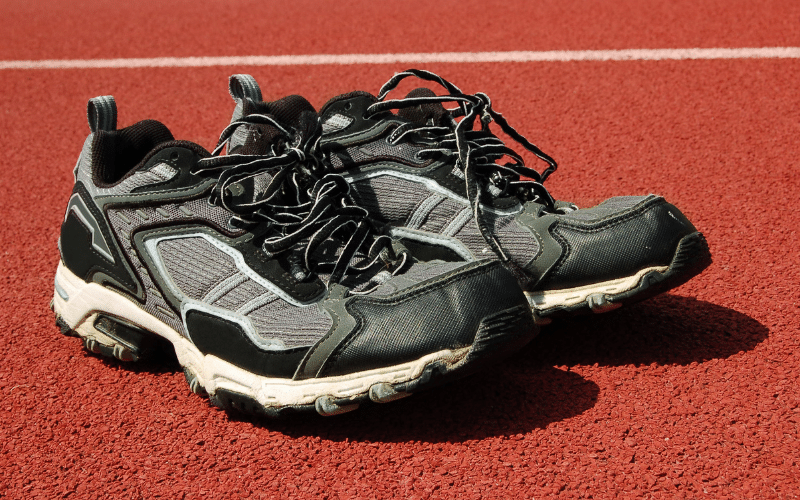
Running shoes are critical for foot support, cushioning, and injury prevention. They're specifically designed to handle the repetitive impact of each step, provide traction, and enhance overall running mechanics, making them indispensable to any runner's gear.
Nike Revolution 8
Road running, entry level
- Uppermesh, more breathable than the Revolution 7
- Midsolefoam with a rocker geometry
- Outsoleflex grooves in the forefoot
- Useroad running and daily miles
- Model codeHJ9198-003
#2 Technical Clothing
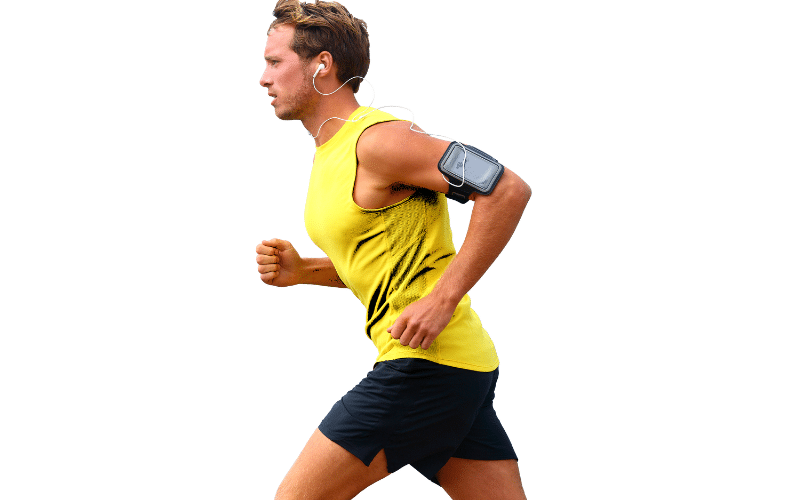
Technical clothing, made from moisture-wicking materials, is crucial for runners to help manage perspiration, regulate body temperature, and reduce chafing. Lightweight and breathable, this apparel maximizes comfort during a run in any weather condition.
BOOJO Quick Dry Shirts
Five shirts, moisture wicking
- Contents5 short sleeve shirts
- Fabricmoisture-wicking, quick drying
- Stretchfour-way stretch
- Finishwrinkle resistant, resists pilling
- Cutcrew neck, plain design
#3 Hydration System

Adequate hydration is vital for performance and health during runs. Hydration systems, like bottles, belts, or vests, allow runners to carry water effortlessly and drink on the go, ensuring they remain hydrated throughout their run, especially in longer or warmer outings.
AiRunTech Hydration Belt
Two bottles, no bounce
- Bottles2 x 10 ounces, BPA free with silicone nozzles
- Belthook and loop closure, adjustable
- Pocketfits most smartphones, keys and gels
- Extrasheadphone hole and 2 removable race bib toggles
- Useroad, trail, 5K to marathon
#4 GPS Watch or Fitness Tracker
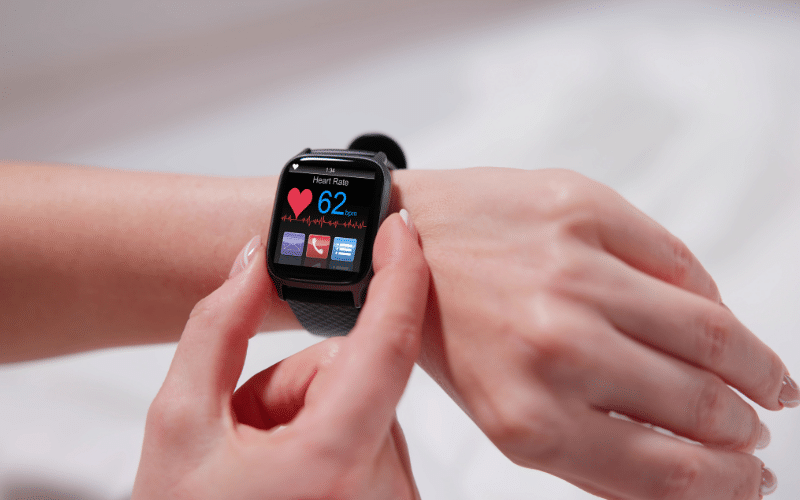
A GPS watch or fitness tracker is an invaluable tool for monitoring pace, distance, heart rate, and overall fitness. It helps runners track their progress, set goals, and stay motivated by providing real-time data and insights about their workouts.
Garmin Forerunner 55
GPS watch for runners
- TrackingGPS distance, pace and route, wrist heart rate
- Batteryup to 2 weeks in watch mode, 20 hours with GPS on
- Race toolsPacePro pace guidance, race time predictions
- Trainingdaily suggested workouts
- Profilesrunning, track, treadmill, cycling, pool swim and more
#5 Sun Protection

Sun protection, including hats, sunglasses, and sunscreen, is essential for outdoor runners. It protects against harmful UV rays, reduces glare, and helps prevent sunburns and long-term skin damage, ensuring runners can enjoy healthy training sessions.
#6 Reflective Gear or Lights

Safety should always be a priority, and reflective gear or lights are vital for visibility during low-light conditions. They alert motorists and others of a runner's presence, reducing the risk of accidents during dawn, dusk, or nighttime runs.
Chiwo Reflective Vest
Two harnesses per pack
- Contents2 reflective harnesses
- Visibility360 degree bands, visible from about 800 feet
- Fitshoulder to waist 13 to 21 inches, waist 27 to 40 inches
- Materialnylon bands with reflective silver stripes
- Buildstrap type instead of a closed vest, no added warmth
Equipment for Coaches and Teams
#1 Training Plans and Schedules
Training plans and schedules are essential for structuring an effective running program. They ensure that athletes progress systematically towards their goals with appropriate workloads, recovery periods, and peaking times.
#2 Nutrition and Hydration Plans

Nutrition and hydration plans are vital for optimizing performance and recovery. Tailored to individual needs, they help maintain energy levels, support endurance, and reduce injury risk, making them fundamental for a runner's success.
#3 First Aid Kit

A first aid kit is indispensable for addressing injuries promptly during running activities. Containing items like bandages, ice packs, and antiseptics, it ensures immediate care for common running injuries, safeguarding athlete health.
#4 Timing Devices
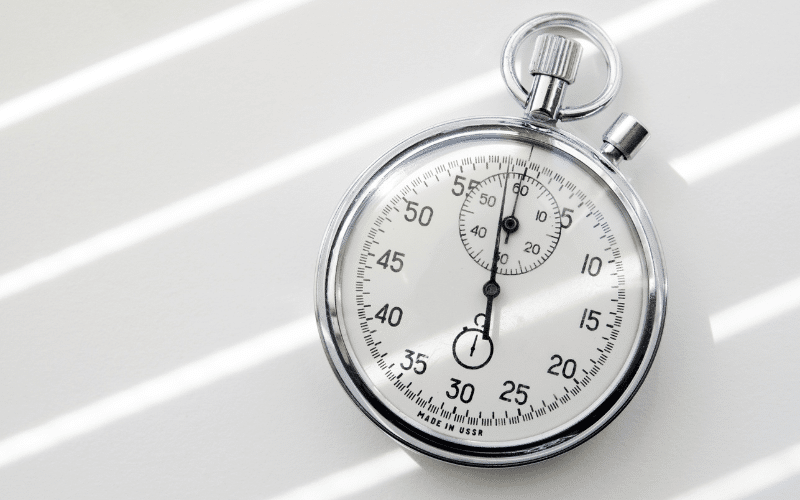
Timing devices, such as stopwatches and lap timers, are crucial for tracking the performance of athletes. Accurate measurement of running times helps in setting benchmarks and evaluating improvement, which is fundamental for effective coaching.
PULIVIA Stopwatch
10 splits and laps
- Memory10 stored measurements, recallable in order
- Readoutfastest, slowest and average lap
- Rangeup to 10 hours, resolution 1/100 second
- Displaylap, split and running time in three rows
- Alsocountdown timer, clock and alarm
#5 Team Apparel

Team apparel promotes unity and team spirit while providing functional benefits suitable for running. Quality attire that supports performance and comfort can enhance team identity and morale during both training and competitions.
Equipment for Facilities
#1 Marked Running Paths or Tracks
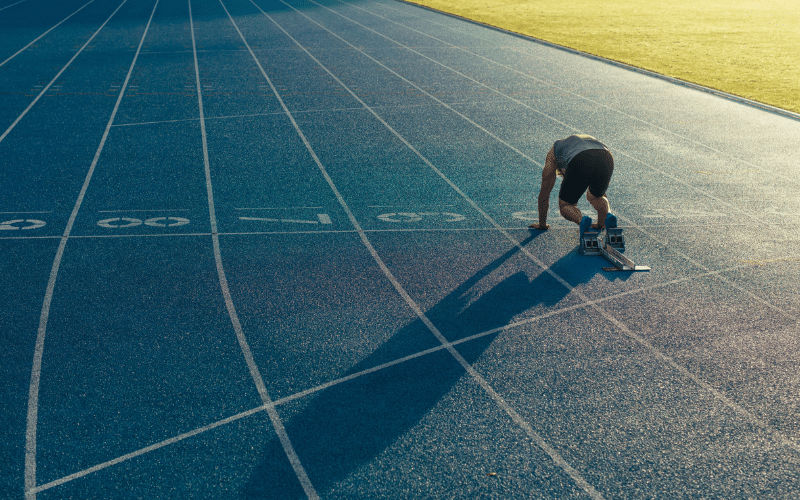
Marked running paths or tracks provide a safe and measured environment for runners to train and race. Clearly defined lanes and distance markers aid in pacing and performance tracking, making them fundamental for structured workouts and competition.
#2 Water Stations
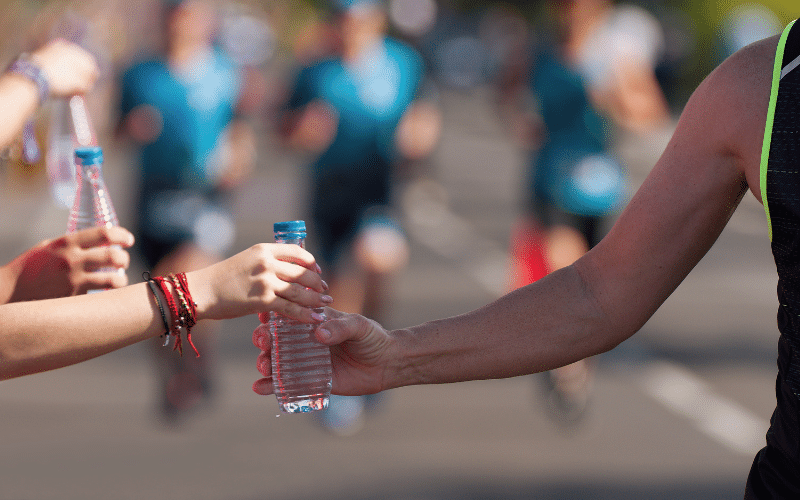
Water stations are critical for runner hydration during races or long runs. They serve as essential checkpoints where athletes can replenish fluids, maintaining hydration levels and preventing heat-related issues, ensuring safety and improved performance.
#3 Signage
Distances markers and directional signs guide runners along courses and tracks. They provide essential navigation aids, help measure running distances accurately, and ensure that athletes and spectators know where to go, enhancing the running experience.
#4 Emergency Services

Emergency services, including medical staff and equipment, are vital for prompt response to incidents during running events. They ensure a swift and professional reaction to accidents, injuries, or health problems, which is crucial for the safety of all participants.
#5 Restrooms and Changing Facilities

Restrooms and changing facilities offer privacy and convenience for runners before and after their workouts or races. These amenities are essential for comfort, allowing participants to prepare for and wind down from their running sessions.

FAQ
What is the equipment you need to play Running?
Proper running shoes and comfortable attire are the equipment you need to play Running. These basic items accommodate a wide range of motion and help prevent injuries.
What is the most important equipment in Running?
A good pair of running shoes is the most important equipment in Running, as they provide essential support and cushioning for your feet, which directly impacts your running performance and comfort.
What is a recommended list of Running equipment for beginners?
Here's a recommended list of Running equipment for beginners: durable running shoes, moisture-wicking clothing, a water bottle, and a watch or app to track distance and time. These items promote comfort and monitoring progress.