

Judo rules explained: how ippon, waza-ari and yuko are scored, pins and holds, match length and golden score, shido penalties, and the IJF weight classes.
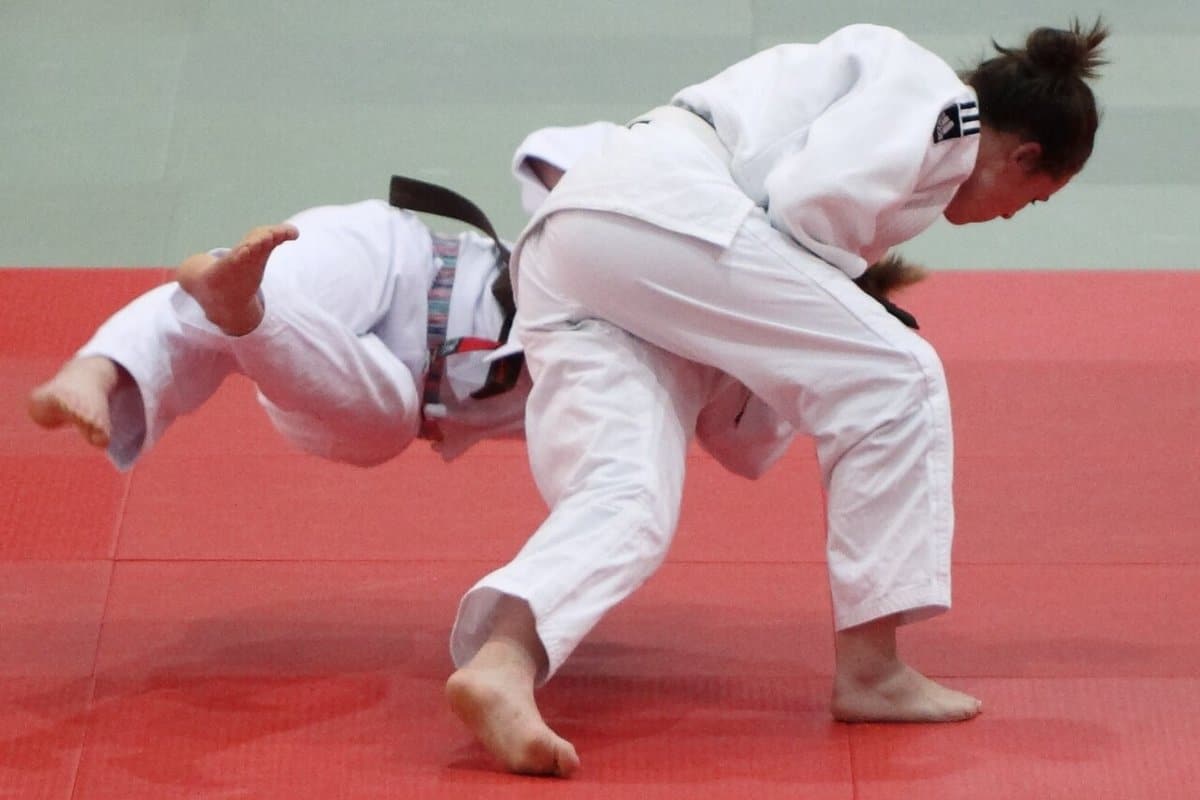
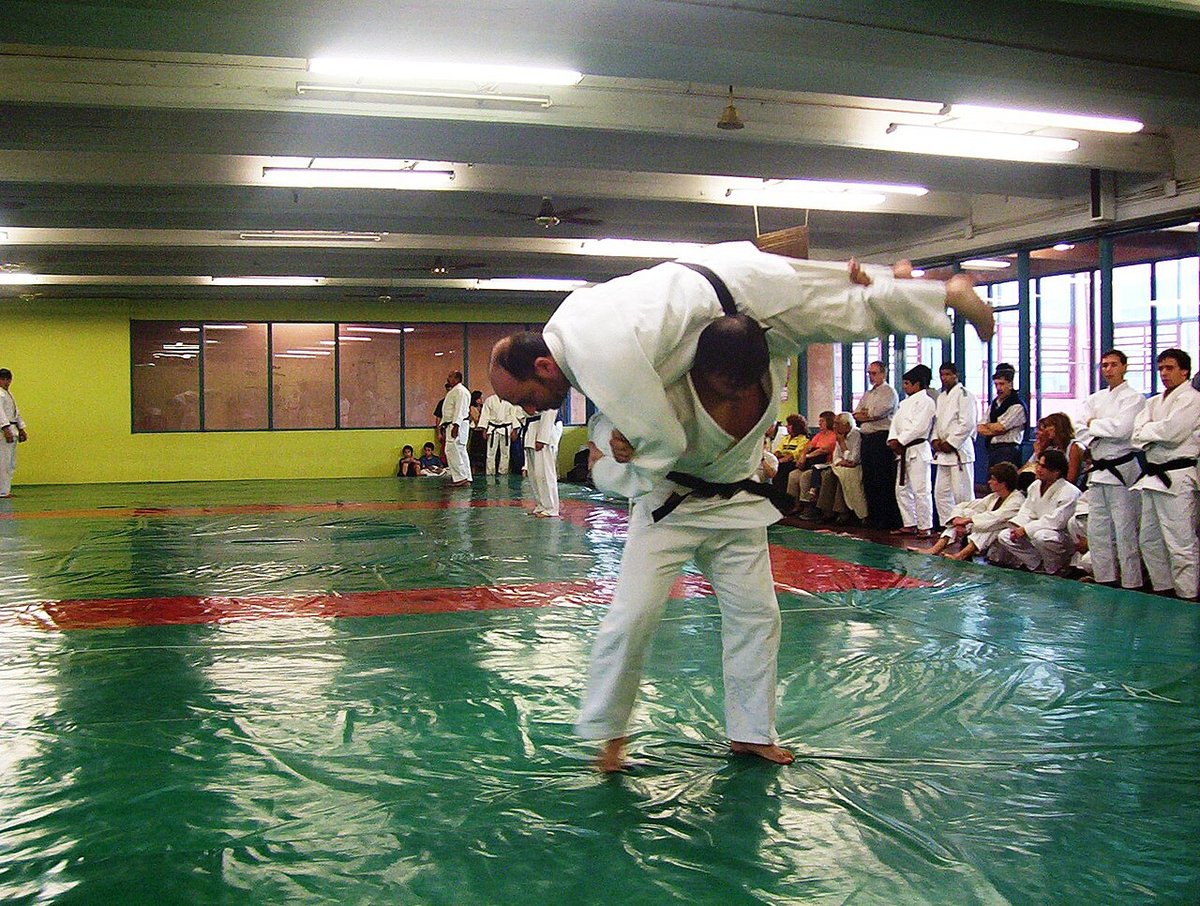
Judo means “the gentle way”, but a judo match is anything but gentle. Two players in white or blue judogi try to throw each other cleanly onto the back, pin each other to the mat, or force a submission with a choke or an armlock. A single perfect throw ends the match at once.
This guide follows the rules of the International Judo Federation (IJF), which apply at the Olympics and in most national tournaments. It explains the scores, the ways to win, the penalties and how a match is run, from the first bow to golden score.
Jump to:
- Judo Rules in 60 Seconds
- The Mat and the Judogi
- How Judo Is Scored
- Pins and Submissions
- Shido Penalties and Fouls
- Match Length and Golden Score
- IJF Weight Classes
- Tips for Your First Tournament

Judo Rules in 60 Seconds
- Throw, pin or submit. An ippon from any of the three wins the match.
- Three scores. Ippon ends the match, waza-ari and yuko are smaller scores.
- Four minutes. Senior matches last four minutes of actual fighting time.
- Golden score. A tie goes to overtime, and the first technical score decides.
- Shido penalties. Passivity and illegal grips are punished, and three shidos lose the match.
The Mat and the Judogi
Matches take place on a tatami mat with a contest area of 8 by 8 to 10 by 10 meters, surrounded by a safety area. Players wear a judogi, a heavy cotton jacket and trousers with a belt. In IJF events one player wears white and the other blue, so judges and spectators can tell them apart.
How Judo Is Scored
| Score | How you get it | Effect |
|---|---|---|
| Ippon | Throw with force, speed and control largely onto the back, 20 s pin, or submission | Wins the match |
| Waza-ari | Throw that lands the opponent partly on the back, or 10 to 19 s pin | Score, a second waza-ari counts as ippon |
| Yuko | Throw onto the side or buttocks, or 5 to 9 s pin | Score, yukos do not add up to waza-ari |
| Shido | Minor penalty | Three shidos mean hansoku-make |
| Hansoku-make | Serious foul or third shido | Loses the match |
The yuko, a smaller score below waza-ari, was removed in 2017 and returned with the IJF rules for the 2025 to 2028 Olympic cycle. Two waza-ari still add up to ippon and end the match, while any number of yukos never do. A single waza-ari beats any number of yukos.
Pins and Submissions
Once the fight goes to the ground, players can win with osaekomi, a hold down. The referee calls osaekomi when one player controls the other on the back, and the clock starts. Five seconds give yuko, ten seconds waza-ari and twenty seconds ippon. The player underneath escapes by wrapping a leg around the opponent’s leg or breaking the control.
- Shime-waza (chokes): pressure on the neck with arms, lapels or legs.
- Kansetsu-waza (armlocks): only locks on the elbow joint are allowed.
- Tapping: tapping twice or saying “maitta” means surrender and ippon for the opponent.
Shido Penalties and Fouls
| Penalty | Examples |
|---|---|
| Shido | Passivity, avoiding grips, false attacks, stepping out, holding the belt too long |
| Hansoku-make | Diving head first into the mat, dangerous actions, unsporting behavior |
| Not allowed in competition | Leg grabs as a direct attack, locks on wrist, knee or neck |
Shidos do not give the opponent a score. They only decide the match when they add up to three, which is a loss by hansoku-make.
Match Length and Golden Score
| Division | Regular time |
|---|---|
| Senior (IJF) | 4 min |
| Junior and cadet | 4 min |
| Kids (most national rules) | 2 to 3 min |
The clock stops every time the referee calls matte. If the scores are level at the end, the match goes to golden score without a time limit, and the first technical score, even a yuko, wins. A shido in golden score does not end the match unless it is the third, which means hansoku-make.
IJF Weight Classes
| Men | Women |
|---|---|
| 60 kg | 48 kg |
| 66 kg | 52 kg |
| 73 kg | 57 kg |
| 81 kg | 63 kg |
| 90 kg | 70 kg |
| 100 kg | 78 kg |
| Over 100 kg | Over 78 kg |
Tips for Your First Tournament
- Watch the referee’s arm. One arm straight up means ippon, held to the side means waza-ari.
- Grip fighting is half the match. The player who controls the grips usually controls the throws.
- Learn to fall first. Breakfalls make throws safe for both players.
- Learn some judo terms like hajime, matte and osaekomi.
More Reading

FAQ
What are the basic rules of judo?
Two players try to throw each other onto the back, pin each other, or win with a choke or armlock. An ippon wins the match, waza-ari and yuko are smaller scores, and three shido penalties lose it.
How long is a judo match?
Senior IJF matches last four minutes of fighting time. A tie goes to golden score, where the first technical score wins.
What is an ippon in judo?
The full point. It comes from a perfect throw onto the back, a 20 second pin or a submission, and it ends the match.
What is a waza-ari?
The middle score: a throw that lands the opponent partly on the back, or a pin of 10 to 19 seconds. Two waza-ari make an ippon.
How long do you have to pin in judo?
Five seconds for yuko, ten for waza-ari and twenty for ippon.
What is a shido?
A minor penalty for passivity or illegal grips. Three shidos lose the match.
Are leg grabs allowed in judo?
Not as a direct attack under IJF rules. Grabbing the legs is penalized.
Which joint locks are legal in judo?
Only locks on the elbow. Wrist, knee, ankle and neck locks are not allowed in competition.


No comments yet
What's your take?
What's your opinion, or think we got something wrong? Tell us and other readers.
Our editors read every comment.