


Darts rules explained: the dartboard and scoring, throwing distance and oche, how to play 501 and double out, legs and sets, cricket, and common house rules.
Darts is one of the easiest games to start and one of the hardest to master. All you need is a board, three darts and a line on the floor. The rules of the classic game, 501, take a minute to learn, but the math of finishing on a double keeps even professionals busy.
This guide explains the board, the throwing setup, how 501 works from the first dart to the checkout, how matches are counted in legs and sets, and the most popular bar game, cricket. It follows the rules used by the World Darts Federation and the professional circuit, and points out common house rules.
Jump to:
- Darts Rules in 60 Seconds
- The Dartboard
- Throwing Distance and Board Height
- How to Play 501
- Legs, Sets and Match Formats
- How to Play Cricket
- Other Popular Darts Games
- Etiquette and House Rules

Darts Rules in 60 Seconds
- Three darts per turn. Players take turns throwing three darts and add up the score.
- Start at 501. In the standard game, each player counts down from 501.
- Finish on a double. The last dart must hit a double or the bullseye and bring the score to exactly zero.
- Bust means no score. Going below zero, or to exactly one, cancels the whole turn.
- Legs and sets. Each game is a leg, and matches are played over a number of legs or sets.
The Dartboard
A standard bristle dartboard is divided into 20 numbered segments. Each segment has a single area, a thin outer ring that counts double and a thin inner ring that counts triple. In the middle is the bull: the outer green ring scores 25, the red center, or bullseye, scores 50 and counts as a double.
| Area | Score |
|---|---|
| Single segment | The number of the segment, 1 to 20 |
| Double ring | Twice the number, up to 40 |
| Triple ring | Three times the number, up to 60 |
| Outer bull | 25 |
| Bullseye | 50, counts as a double |
| Highest score with three darts | 180, three triple 20s |
Throwing Distance and Board Height
The center of the bullseye hangs 5 feet 8 inches, or 1.73 meters, above the floor. Players throw from behind the oche, the throwing line, which is 7 feet 9 1/4 inches, or 2.37 meters, from the face of the board. Players may lean over the line, but their feet may not cross it. Soft tip electronic boards often use a slightly longer distance of 8 feet.
The size of the board, the width of each ring and the space for a throwing area are listed in our guide to dart board dimensions.
How to Play 501
- Both players start at 501, and the score of each turn is subtracted.
- In the standard double out game, the final dart must land in a double or the bullseye, so that the score reaches exactly zero.
- If a turn takes the score below zero, to exactly one, or to zero without a double, it is a bust: the score goes back to what it was before the turn.
- Darts that bounce off the board or fall out before they are pulled out do not score.
- The highest possible checkout is 170: triple 20, triple 20, bullseye.
Who throws first is usually decided by throwing one dart each at the bull, closest wins. In later legs, players take turns starting.
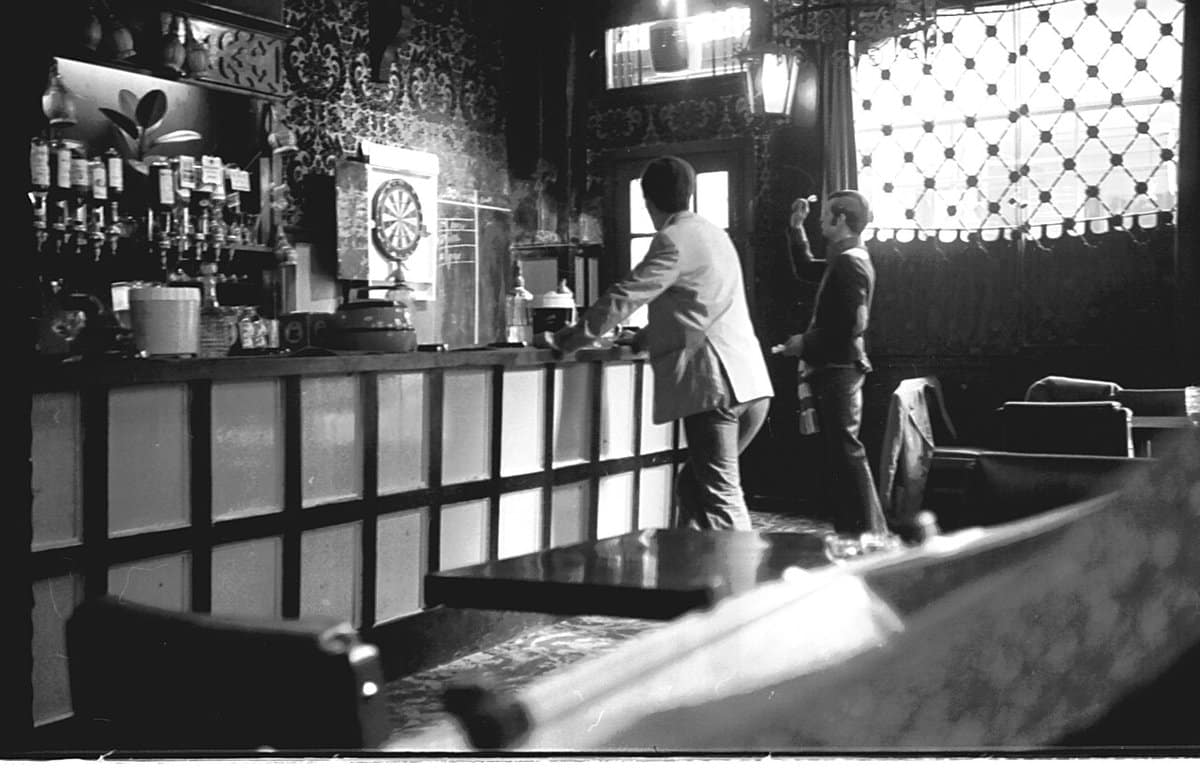
Legs, Sets and Match Formats
One game of 501 is a leg. In a legs format, the first player to win a set number of legs, for example best of 11, wins the match. In a sets format, used at the World Championship, a set is usually best of five legs and the match is won by taking a number of sets. Some formats require a two leg lead in the final set.
How to Play Cricket
Cricket is the most popular darts game in American bars. It uses only the numbers 15 to 20 and the bull.
- To close a number, you need to hit it three times. A single counts once, a double twice, a triple three times. The outer bull counts once, the bullseye twice.
- Once you have closed a number and your opponent has not, every extra hit on it scores its value in points.
- When both players have closed a number, it is dead and no longer scores.
- The game is won by the first player to close all numbers with a score equal to or higher than the opponent’s.
Other Popular Darts Games
| Game | How it works |
|---|---|
| 301 | Like 501 but shorter, often with a double to start as well as to finish |
| Around the clock | Hit 1 to 20 in order, then the bull. First to finish wins |
| Killer | Each player gets a number, hits its double to become a killer, then knocks out the others |
| Shanghai | Seven rounds on the numbers 1 to 7. Hitting a single, double and triple in one turn wins instantly |
Etiquette and House Rules
- Stand behind and away from the thrower, and stay quiet while the player throws.
- Pull your darts only after the score is called, and do not touch the board while the score is being written.
- Agree on house rules before you start, for example whether 301 needs a double in, or whether you may keep scoring on numbers your opponent has already closed.
- Learn some darts terms like ton, bed and Shanghai.
More Reading

FAQ
What are the basic rules of darts?
Players take turns throwing three darts at the board and score points by where the darts land. In the standard game, 501, each player counts down from 501 and must finish on exactly zero with a double or the bullseye.
What is a bust in darts?
A turn that takes the score below zero, to one, or to zero without a double. The score goes back to what it was before the turn.
How far do you stand from a dartboard?
7 feet 9 1/4 inches, or 2.37 meters, from the face of the board to the oche.
How high should a dartboard be?
The center of the bullseye should be 5 feet 8 inches, or 1.73 meters, above the floor.
Do you have to finish on a double in darts?
Yes, in standard 501. The bullseye counts as a double. Some casual games allow a straight out finish.
What is the highest checkout in darts?
170: triple 20, triple 20 and the bullseye.
How do you play cricket darts?
Close 15 to 20 and the bull by hitting each three times, and score points on numbers your opponent has not closed. The first player to close everything with the higher score wins.
What happens if a dart bounces out?
It does not score, and it cannot be thrown again in that turn.


No comments yet
What's your take?
What's your opinion, or think we got something wrong? Tell us and other readers.
Our editors read every comment.