

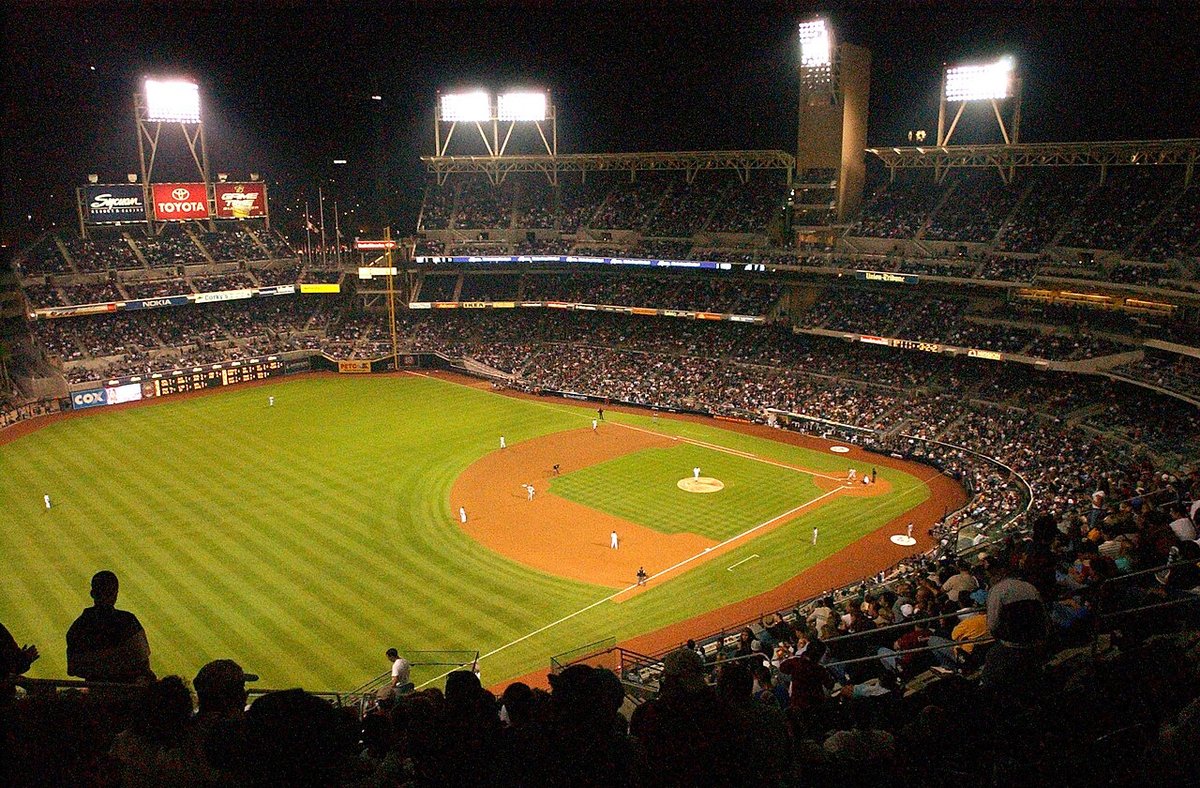
Baseball rules explained: innings, outs, strikes and balls, base running, scoring and the modern MLB rules, plus how youth and high school games differ.
Baseball has a reputation for being hard to follow, mostly because of its long list of special cases. The core of the game is simple, though. One team pitches and fields, the other team bats and runs, and a run counts every time a batter makes it all the way around the bases and back home.
This guide walks through the rules in the order you need them: the field, an inning, strikes and balls, the ways to get out, base running and scoring. It follows the Official Baseball Rules used in Major League Baseball, with the most important differences for college, high school and Little League at the end.
Jump to:
- Baseball Rules in 60 Seconds
- The Field
- How an Inning Works
- Strikes, Balls and the Count
- How Batters and Runners Get Out
- Running the Bases and Scoring
- Pitching Rules
- Modern MLB Rules at a Glance
- MLB vs College vs High School vs Little League
- Tips for Watching Your First Game

Baseball Rules in 60 Seconds
- Nine players per side. The fielding team has nine players on the field, the batting team sends one batter at a time.
- Nine innings. In each inning, both teams bat once. The visitors bat in the top half, the home team in the bottom half.
- Three outs and you switch. A half inning ends when the defense records three outs.
- Run the bases to score. A batter who touches first, second and third base and then home plate scores one run.
- Most runs wins. If the score is tied after nine innings, the teams play extra innings until one team leads at the end of an inning.
The Field
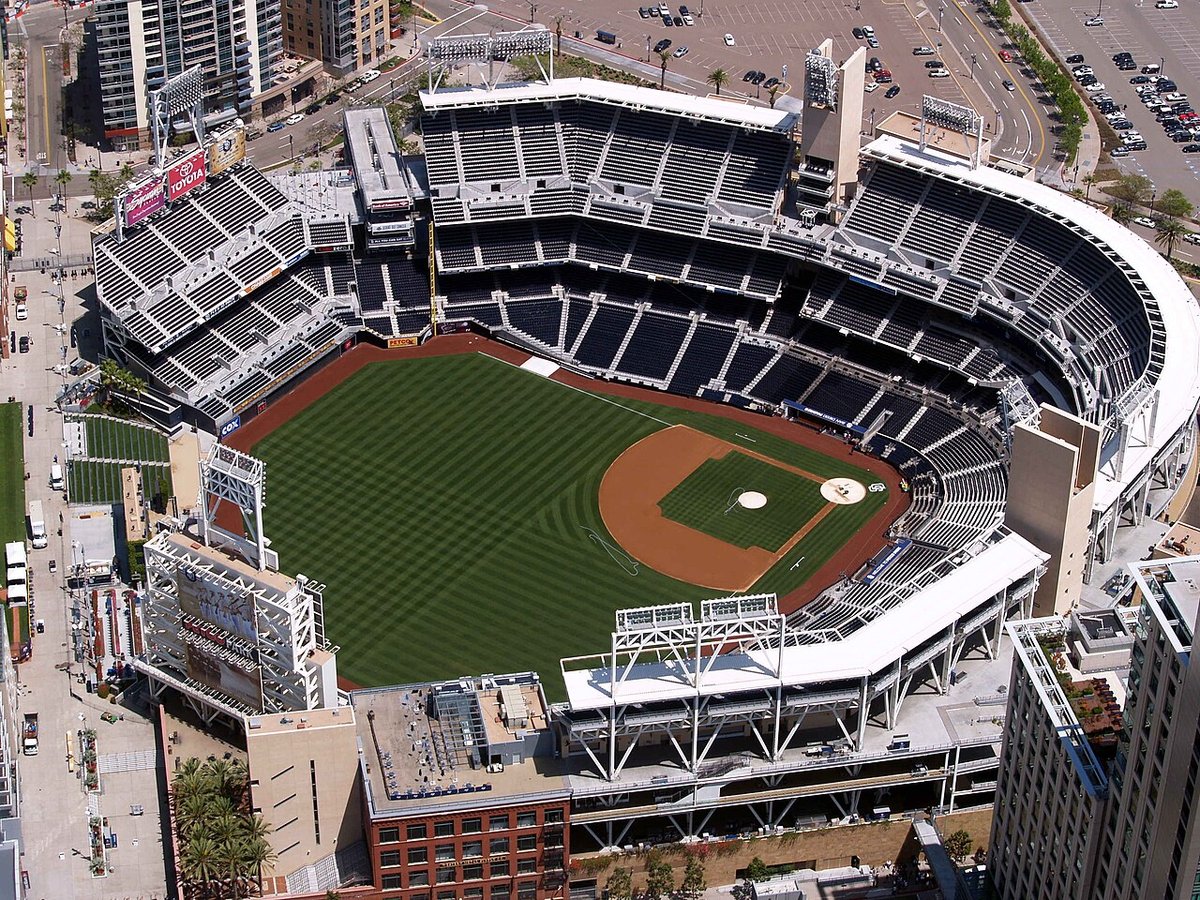
The infield is a square, the diamond, with a base at each corner. The bases are 90 feet apart, and the pitcher throws from a rubber on the mound, 60 feet 6 inches from the back point of home plate. Two foul lines run from home plate past first and third base to the outfield fence. A ball hit between them is fair, anything outside is foul.
Fence distances are not fixed in the major leagues, which is why every ballpark plays a little differently. Our comparison of a baseball stadium and a softball field shows how the two diamonds differ.
The infield measurements, the mound and the fence distances are listed in our guide to baseball field dimensions.
How an Inning Works
The visiting team bats first. Its players come up in a fixed batting order, and the order carries over from inning to inning: if the fourth batter made the last out, the fifth batter leads off the next inning. After three outs, the teams switch sides and the home team bats in the bottom of the inning.
If the home team is ahead after the top of the ninth, it does not need to bat again and the game is over. If it takes the lead in the bottom of the ninth or of an extra inning, the game ends right there, which is called a walk-off.
Strikes, Balls and the Count
Every pitch is either a strike, a ball, or a ball put in play. The count is always said balls first: “2 and 1” means two balls and one strike.
- Strike: the batter swings and misses, or does not swing at a pitch inside the strike zone. The zone runs over home plate, from the hollow below the kneecap up to a point midway between the shoulders and the top of the pants.
- Ball: a pitch outside the strike zone that the batter does not swing at.
- Foul ball: counts as a strike, but never as the third strike. A batter with two strikes can keep fouling off pitches. The exception is a bunt that goes foul with two strikes, which is a strikeout.
- Three strikes: the batter is out on strikes.
- Four balls: a walk. The batter goes to first base.
- Hit by pitch: the batter is also awarded first base.
How Batters and Runners Get Out
| Out | How it happens |
|---|---|
| Strikeout | Three strikes on the batter |
| Fly out | A fielder catches a batted ball before it touches the ground, fair or foul |
| Ground out | A fielder throws to first base before the batter gets there |
| Force out | A runner who has to move to the next base is beaten there by the ball |
| Tag out | A fielder holding the ball touches a runner who is off a base |
| Caught leaving early | After a caught fly ball, a runner left his base too early and the ball gets back there first |
Two rules confuse new fans the most. A runner is forced to run when the batter becomes a runner and every base behind him is occupied, so the defense only needs to touch the base. If he is not forced, the fielder has to tag the runner himself. The infield fly rule stops the defense from dropping an easy pop up on purpose to turn a double play: with runners on first and second, or the bases loaded, and fewer than two outs, the umpire calls the batter out on a catchable infield pop up, whether it is caught or not.
Running the Bases and Scoring
Runners must touch the bases in order. They can try to advance at any time, at their own risk: on a hit, on a ground ball, by stealing a base while the pitcher throws, or on a wild pitch. On a fly ball that is caught, a runner has to go back and touch his base, called tagging up, before he may run to the next one.
- Single, double, triple: the batter reaches first, second or third base safely on a hit.
- Home run: a fair ball over the outfield fence. The batter and every runner on base score.
- Run: counts when a runner touches home plate, unless the third out of the inning was a force out or the batter was out before reaching first base.
- Ground rule double: a fair ball that bounces over the fence. Each runner gets two bases.
Pitching Rules
The pitcher must start each pitch with a foot on the rubber. With runners on base, he may not fake a throw or start his motion and stop, and doing so is a balk: every runner moves up one base. The modern MLB game added a few rules that keep it moving:
- Pitch clock: 15 seconds between pitches with the bases empty, 18 seconds with runners on base. A slow pitcher is charged with a ball, a batter who is not ready with a strike.
- Pickoff limit: a pitcher may step off or throw over twice per batter. A third attempt that does not get the runner out is a balk.
- College: NCAA baseball uses its own 20 second pitch clock, and Little League has none.
- Three batter minimum: a relief pitcher has to face at least three batters or finish the half inning, unless he gets hurt.
Modern MLB Rules at a Glance
| Rule | What it means |
|---|---|
| Designated hitter | A hitter bats instead of the pitcher, in both leagues since 2022 |
| Shift limits | Two infielders on each side of second base, all four with their feet on the infield dirt when the pitch is thrown |
| Bigger bases | First, second and third base are 18 inches square instead of 15 |
| Extra innings runner | In the regular season, each extra inning starts with a runner on second base |
| Substitutions | A player who leaves the game may not return |
| ABS challenges | Umpires still call balls and strikes, but the pitcher, catcher or batter can challenge a call to the automated system. Each team has two challenges and keeps one that succeeds |
MLB vs College vs High School vs Little League
| Rule | MLB | College | High school | Little League (Majors) |
|---|---|---|---|---|
| Innings | 9 | 9 | 7 | 6 |
| Distance between bases | 90 ft | 90 ft | 90 ft | 60 ft |
| Pitching distance | 60 ft 6 in | 60 ft 6 in | 60 ft 6 in | 46 ft |
| Bats | Wood | Metal (BBCOR) | Metal (BBCOR) | USA Baseball approved |
| Run rule | None | 10 runs after 7 innings, where agreed | Set by each state, often 10 runs after 5 innings | 10 runs after 4 innings |
| Re-entry | Not allowed | Only after a concussion check | Starters may re-enter once, in the same batting spot | Starters may re-enter once, after the substitute has played the minimum |
Little League also limits how many pitches a young pitcher may throw in a day and sets rest days after high pitch counts, and high school associations have similar pitch count rules.
Tips for Watching Your First Game
- Watch the count. On 3 and 0 the batter has the edge, on 0 and 2 the pitcher does.
- Check how many outs there are and where the runners are. That tells you what the defense wants: a double play, a strikeout or just one out.
- When a fly ball goes up with a runner on third and fewer than two outs, watch for the runner to tag up and race home after the catch.
- Learn a few baseball terms like RBI, can of corn or painting the corners. They come up in every broadcast.
More Reading
- Baseball positions explained
- Baseball lingo and slang
- Baseball equipment list
- History of baseball
- Baseball stadium vs softball field
- Common baseball injuries
- Baseball quiz

FAQ
What are the basic rules of baseball?
Two teams of nine take turns batting and fielding over nine innings. Each half inning lasts until the fielding team gets three outs. Batters score a run by touching all four bases, and the team with more runs wins.
How many innings are in a baseball game?
Nine in MLB and college, seven in high school and six in Little League. A tied game goes to extra innings.
How many strikes and balls does a batter get?
Three strikes make an out and four balls make a walk to first base. A foul ball counts as a strike, but it cannot be the third strike unless it is a bunt.
What is a force out in baseball?
When a runner has to move up because the batter became a runner behind him, the defense only needs to touch the next base with the ball before he arrives. No tag is needed.
What is the infield fly rule?
With runners on first and second, or the bases loaded, and fewer than two outs, a catchable infield pop up is an automatic out for the batter. It stops fielders from dropping the ball on purpose to get a double play.
How long is the pitch clock in MLB?
Pitchers have 15 seconds with the bases empty and 18 seconds with runners on base. A violation costs the pitcher a ball or the batter a strike.
Can a player come back into a baseball game?
Not in MLB, where a replaced player is out for the rest of the game. College allows it only after a concussion check. High school and Little League let starters re-enter once, under conditions.
What is a balk?
An illegal move by the pitcher with runners on base, such as faking a pitch or stopping his motion. Each runner advances one base.


No comments yet
What's your take?
What's your opinion, or think we got something wrong? Tell us and other readers.
Our editors read every comment.